UAE to lead world’s first global standard for pasteurised camel milk
Codex approval positions UAE to regulate trade, protect quality and expand global markets
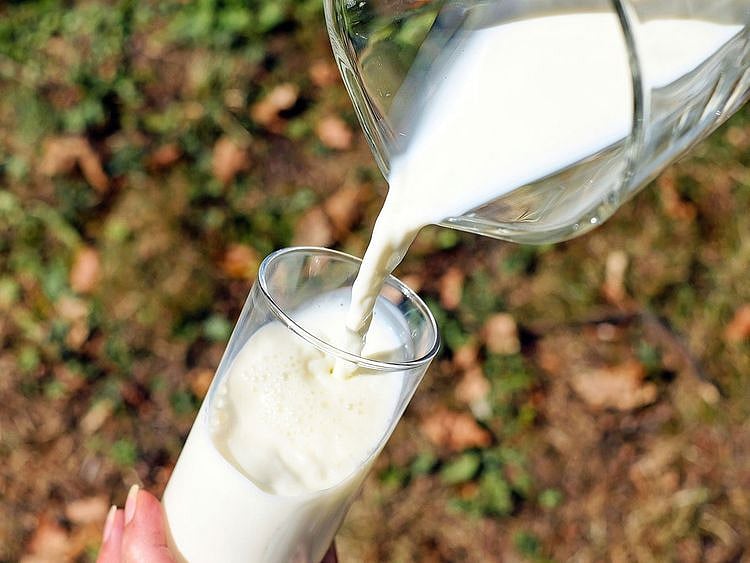
Dubai: The Codex Alimentarius Commission has approved a proposal submitted by the UAE to develop the world’s first international standard for pasteurised camel milk.
The decision was taken during the Commission’s 48th session, held in Rome, following broad backing from member states, international organisations and the International Union of Food Science and Technology.
Until now, the absence of an international specification for pasteurised camel milk has constrained commercial expansion and left room for fraudulent practices, including the blending of camel milk powder with cow’s milk.
The new standard would safeguard product authenticity and quality, protect consumers, and promote fair trade in a sector gaining traction worldwide.
Market estimates place the global camel milk industry at around $1.37bn in 2024, with projections rising to $1.93bn by 2033, reflecting annual growth of nearly 4 per cent.
Demand is expected to increase in Europe and Asia, while the Middle East and North Africa currently account for about 40 per cent of global production.
The UAE produces more than 7,000 tonnes of pasteurised camel milk annually, meeting domestic demand and supplying selected export markets, including the European Union, China and the United States. The adoption of a global standard is set to accelerate access to new markets and support further production growth.
“This approval represents a strategic step that reinforces the UAE’s leadership in advancing global food standards for high-value products,” said Moza Suhail Al Muhairi, chair of the National Codex Committee and head of the UAE delegation. She said the initiative aligns with the country’s vision to strengthen local supply chains while enhancing the nutritional and economic value of camel milk products.
Network Links
GN StoreDownload our app
© Al Nisr Publishing LLC 2026. All rights reserved.