Zayed Sustainability Prize backs finalists as 2027 applications open
Funding, global exposure help innovators turn ideas into real-world solutions
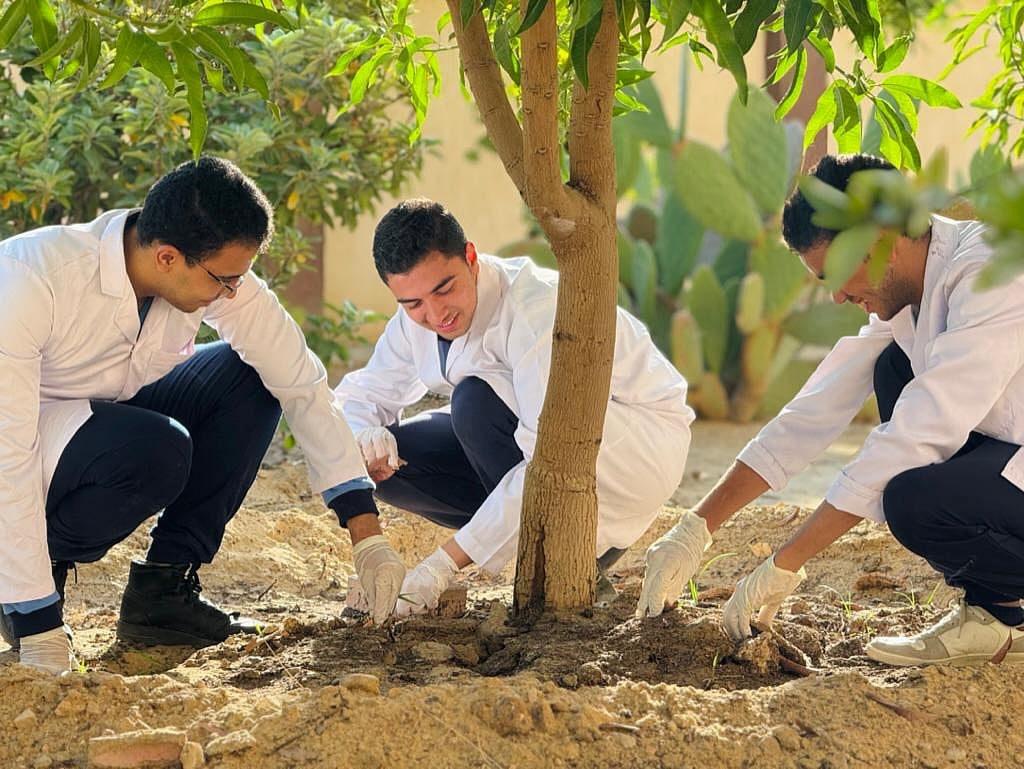
Innovators taking part in the Zayed Sustainability Prize are now receiving support even if they do not win, as the global award continues to expand its focus on helping ideas move from concept to real-world impact.
Organisers confirmed that in the latest cycle, 33 finalists were selected across categories including Health, Food, Energy, Water, Climate Action and Global High Schools. While a smaller group was named winners, the remaining finalists also received funding, with 22 projects supported to help develop and scale their solutions.
The move reflects a growing shift in the role of sustainability prizes, which are increasingly focusing not only on recognising innovation but also on supporting practical implementation.
Funding helps solutions grow
One example is IRIBA Water Group from Rwanda, which reached the finals in the Water category. The company has developed solar-powered smart water units that provide safe and affordable drinking water in underserved communities. The systems combine purification technology, mobile payment options and real-time monitoring.
Although the company did not win the main award, it received $100,000 in finalist funding. The support is helping IRIBA expand its services by installing more units, improving system monitoring and strengthening maintenance. For local communities, this means easier daily access to clean water and reduced health risks.
Organisers noted that being shortlisted can also increase visibility and help attract new partners, allowing projects to grow faster.
Encouraging early innovation
Support is also extended to younger innovators. Students from Rashaya Official School in Lebanon were shortlisted after developing a solar-powered system that uses artificial intelligence to help clean surface water. The team received a $25,000 grant to build and test a working prototype.
The funding is being used for manufacturing, software development and field testing, turning the student project into a solution with real-world potential.
Record global participation
Interest in the Prize continues to rise. In the most recent cycle, organisers received more than 7,700 submissions from 173 countries, marking a notable increase compared with previous years.
Experts say innovation is expanding across areas such as healthcare technology, climate resilience and sustainable food systems. The challenge now, they add, is to help promising ideas move beyond the design stage and reach the communities that need them.
Applications open
Applications for the next cycle are now open, with submissions set to close on June 15, 2026. The Prize is open to startups, small businesses, non-profit organisations, schools and student teams working on solutions that address sustainability challenges.
Organisers said the initiative aims to provide more than just financial support. Participants can benefit from global exposure, credibility and access to networks that help turn early ideas into long-term projects.
Officials stressed that reaching the finalist stage is increasingly seen as an opportunity in itself offering innovators the resources and encouragement needed to bring their solutions to life.
Sign up for the Daily Briefing
Get the latest news and updates straight to your inbox
Network Links
GN StoreDownload our app
© Al Nisr Publishing LLC 2026. All rights reserved.