UAE: Three questions parents should ask before buying video games for children
Sharjah's Child Safety Organisation urges families to look beyond age ratings
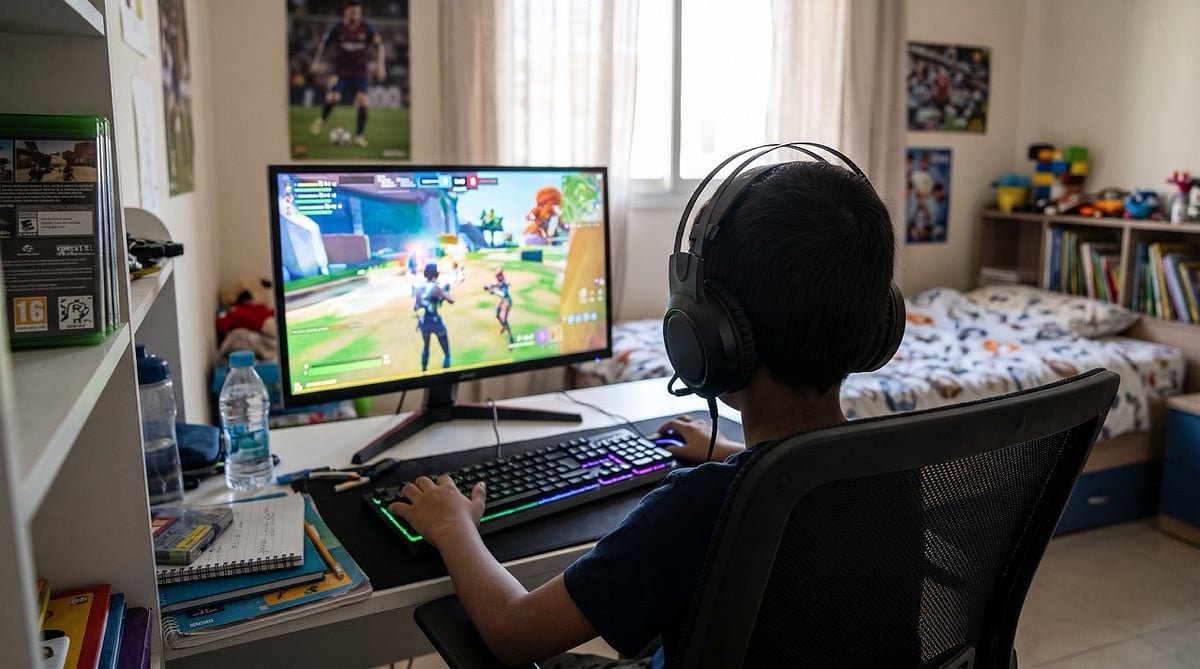
The Child Safety Organisation, an affiliate of the Sharjah Council for Family and Community Affairs, has urged parents and caregivers to follow video game age ratings and keep adult-rated titles out of children’s reach. When choosing among games rated for a child’s age, the organisation encouraged families to consider three further questions.
Does the content respect the child’s cultural identity? What behaviour does it encourage? Is the child ready to make sense of what they may see and feel?
Get updated faster and for FREE: Download the Gulf News app now - simply click here.
A child may ask for a game after seeing a short clip of a car race, unaware that other parts of the game contain graphic violence or explicit adult content. The organisation urged parents to read the content description before buying or downloading a game and to look at the role their child will take as a player. Knowing what the game involves can help families choose titles their children can enjoy, learn from or play with friends.
Three questions families can use
Cultural appropriateness. How does the game or video portray the customs and traditions the child is growing up with? Does it treat the child’s culture and identity with respect?
Ethical appropriateness. What does the content present as an acceptable way to treat others? In a game, parents can look at the choices players are encouraged to make and the behaviour the game rewards.
Psychological appropriateness. Can the child understand a frightening or distressing scene and cope with the feelings it may bring up? Parents can draw on what they know about their child’s maturity and how they respond to similar situations.
Helping children make their own decisions online
The same questions apply to livestreams children watch and videos friends share in group chats. As families cannot anticipate every clip a child may encounter, the organisation encouraged parents to explain why they consider particular content suitable or unsuitable and to give children room to express their own views.
If friends are discussing something a player did in a game, for example, a parent might ask how that action would affect someone in real life. Talking it through gives children practice in explaining their views, including when they disagree with friends. They can draw on that judgement the next time a video appears in a group chat and they have to decide whether to watch it or pass it on.
The role of digital platforms and retailers
The organisation called on digital platform operators to review the games and videos shown on children’s accounts and ensure they are suitable for the account holder’s age. It also urged retailers to display age ratings and content descriptions clearly so families can check both before buying or downloading a game.
Network Links
GN StoreDownload our app
© Al Nisr Publishing LLC 2026. All rights reserved.