null (Photo: null)
Sharjah: Sheikha Bodour opens exhibition, workshop on Stone Age
Event highlighs Sharjah’s position as leading global centre for archaeological research
Last updated:
2 MIN READ
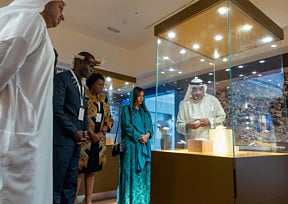
Sheikha Bodour Bint Sultan Al Qasimi during inauguration of the workshop and exhibition titled ‘Africa-Arabian Peninsula Stone Age Heritage Linkages’.
Supplied
Sharjah: Sheikha Bodour Bint Sultan Al Qasimi, Ambassador of the Faya Palaeolandscape World Heritage Nomination File, and Chairperson of Sharjah Investment and Development Authority (Shurooq), inaugurated the workshop and exhibition titled ‘Africa-Arabian Peninsula Stone Age Heritage Linkages’. The two-day event, organised by the Sharjah Archaeology Authority (SAA) in collaboration with the Islamic World Educational, Scientific and Cultural Organisation (ICESCO) and Zambia’s National Heritage Conservation Commission (NHCC), brings together a group of international researchers and experts in Stone Age archaeology.
In her keynote speech, Sheikha Bodour emphasised the importance of scientific research and international collaboration in the field of archaeology.
“Archaeology goes beyond the academic study of the past to unravel, decipher and share our human story with the world. The deep-rooted connections between Africa and the Arabian Peninsula, as revealed through migration, adaptation, and innovation, remind us that civilisations were built on knowledge exchange and resilience.”
The workshop aims to highlight the common cultural heritage, ancient migration patterns and developments in the Stone Age, highlighting Sharjah’s position as a leading global centre for archaeological research.
Sheikha Bodour pointed out Sharjah’s pivotal role in supporting archaeological studies and providing a platform for scholars and experts from around the world.
“Sharjah is committed to preserving and studying these connections to benefit today’s communities, as reflected by the nomination of Faya Palaeolandscape for UNESCO World Heritage status. Through collaboration, research, and conservation, we ensure the past continues to inspire the future.”
The seminar was attended by Eisa Yousif, Director General of the Sharjah Archaeology Authority (SAA); Salem Omar Salem, Director of ICESCO’s Regional Office in Sharjah; and Dr Sabah Aboud Jasim, Adviser to the SAA, along with a group of archaeologists and cultural heritage specialists.
The exhibition highlights archaeological discoveries supporting the theory of common ancient migration routes, environmental and cultural adaptations between Africa and the Arabian Peninsula. It showcases significant artefacts from two prominent sites – one in Zambia and another in Faya.
The exhibit features a unique collection of rare stone tools reflecting the evolution of stone industries through the ages, including hand axes representing the earliest stone tool-making techniques, Acheulean tools from the early Stone Age, and others from the traditions of Sangwan and Lubumban, including spears with parallel edges documenting key developments in manufacturing and usage techniques.
As for the Upper Middle and Late Stone Age, the exhibit includes advanced tools such as scrapers and biface flakes, reflecting significant technological improvements and specialized applications in hunting and other daily activities.
null (Photo: null)
Sign up for the Daily Briefing
Get the latest news and updates straight to your inbox
Network Links
GN StoreAbout Gulf NewsTerms & ConditionsReach by GNSitemapContact usPrivacy PolicyGN FocusHave your sayWork with usAdvertise with usGulf News epaperPrinting Services
Download our app
© Al Nisr Publishing LLC 2026. All rights reserved.