Abu Dhabi completes 60 projects worth Dh12 billion, launches next phase
New phase shifts focus from building facilities to measuring how well they serve residents
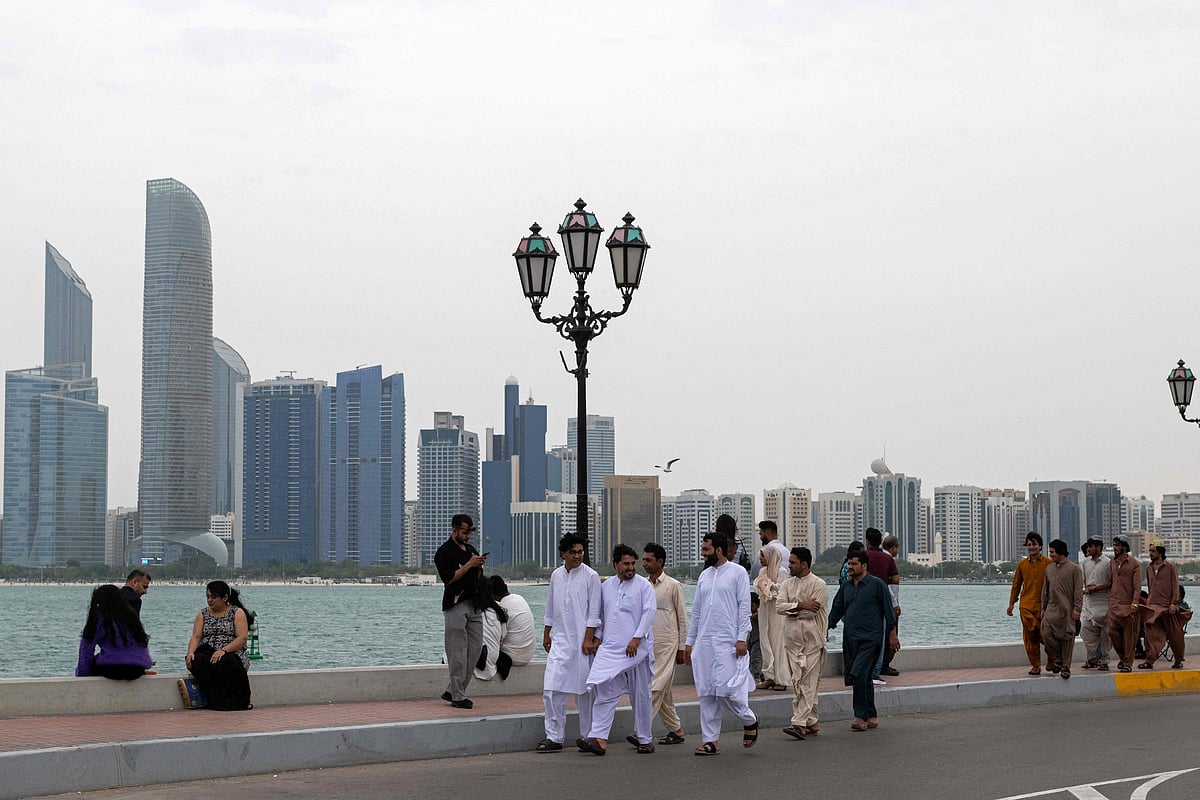
The Department of Municipalities and Transport (DMT) has launched the second phase of its Livability Strategy, marking a major evolution of the foundational strategy after the first phase achieved its objectives of enhancing the readiness and integration of residential neighborhoods, infrastructure and facilities across the emirate.
The second phase sets out a five-year vision aimed at raising the bar from simply providing facilities to measuring and ensuring their operational quality, effectiveness and social impact, with a direct bearing on the wellbeing of citizens, residents and visitors.
Get updated faster and for FREE: Download the Gulf News app now - simply click here.
While the first phase focused on ensuring the provision of essential facilities and securing infrastructure assets across residential neighborhoods and urban sectors, the second phase builds on these foundational achievements by introducing a deeper and more precise approach.
The new performance criteria will go beyond measuring whether facilities have been completed. They will also assess their operational efficiency, utilisation levels, and the effectiveness of community programmes and social activities hosted at these facilities.
A story of success
The launch of the second phase builds on the tangible cumulative impact achieved under the foundational phase of the Livability Strategy.
More than 60 projects worth over Dh12 billion have been completed under the strategy, within a broader approved budget of Dh42 billion.
The neighborhood completion and integration index also recorded a significant increase, rising from 67% to 84% in just two years.
The second phase will be supported by a unified digital platform and smart analytical systems designed to monitor the condition and quality of infrastructure assets and public facilities.
Mohamed Ali Al Shorafa, Chairman of the Department of Municipalities and Transport, said:
“The launch of the second edition of the strategy, in implementation of the directives of the Executive Council, reinforces Abu Dhabi’s position as a preferred global destination for living, working and investment. The exceptional results achieved to date demonstrate the Emirate of Abu Dhabi’s ability to accommodate rapid urban growth within an integrated planning framework that connects growth with quality-of-life and infrastructure priorities.”
Data-driven urban and social transformation
The Emirate of Abu Dhabi is undergoing a comprehensive structural transformation in the way it approaches livability and urban and community quality of life.
Government strategies are no longer focused solely on developing physical infrastructure. They have expanded to encompass individual and family wellbeing, as well as urban sustainability, through methodologies based on precise measurement indicators and performance metrics.
Key dimensions of Abu Dhabi’s livability strategies
1. Urban Infrastructure and Livability
The Livability Strategy, led by the Department of Municipalities and Transport, is a cornerstone of efforts to develop integrated communities and complete residential neighbourhoods.
First phase: The first phase involved F12 billion in investment to complete more than 60 development projects, focusing on improving quality of life, residential neighborhoods and open spaces.
Residential neighborhood completion index:
The index measuring the completion and integration of facilities in residential neighborhoods and areas across the emirate increased from 67% to 84% within two years.
Second phase (2026–2031): The second phase has been launched to continue measuring the quality of facility operations and their direct impact on residents’ lives over the next five years.
“Livability by Design” framework: The strategy provides an integrated planning framework designed to ensure the incorporation of green spaces, active mobility and pedestrian networks, as well as well-equipped community facilities within short walking distances.
2. Family and community quality-of-life strategy
The Department of Community Development leads the social and wellbeing dimension of livability through its Family Quality of Life Strategy.
Number of initiatives: The strategy includes 30 community initiatives implemented by local and federal entities in cooperation with the private sector and the third sector.
Five key pillars:
Promoting mental health to support family and professional balance.
Strengthening family bonds and social cohesion.
Empowering parents and developing parenting skills.
Promoting financial literacy and financial planning among families to enhance economic resilience.
Supporting and empowering senior citizens and enhancing their community participation.
3. Public health and healthy sustainability
The Department of Health – Abu Dhabi leads the Healthy Life Strategy, aimed at strengthening prevention and increasing healthy life expectancy.
Abu Dhabi Healthcare Services Quality Index: A standardized assessment framework based on the efficiency of preventive care and innovation in patient-centred healthcare.
Reducing non-communicable diseases: Initiatives are being implemented in partnership with the food and sports sectors to reduce added sugar consumption, obesity rates and support preventive mental healthcare.
Abu Dhabi livability: Key figures and indicators
The following implementation and performance data demonstrate Abu Dhabi’s transition from traditional approaches to construction and development towards an integrated well-being ecosystem that combines the tangible value of infrastructure with the social and psychological value it delivers to the emirate’s community.
Dh12 billion — the budget allocated to the first phase of the Lifestyle Projects.
More than 60 development projects — the total number of projects completed to date.
Residential neighbourhood completion index — increased from 67% to 84%.
30 strategic initiatives — the total number of Quality of Life initiatives.
Five years (2026–2031) — the timeframe for completing the second phase of Abu Dhabi’s Lifestyle Projects.
Network Links
GN StoreDownload our app
© Al Nisr Publishing LLC 2026. All rights reserved.