Fujairah population reaches 328,495, GDP rises to Dh32.6 billion
Fujairah City remained the emirate’s largest population centre with 121,538 residents
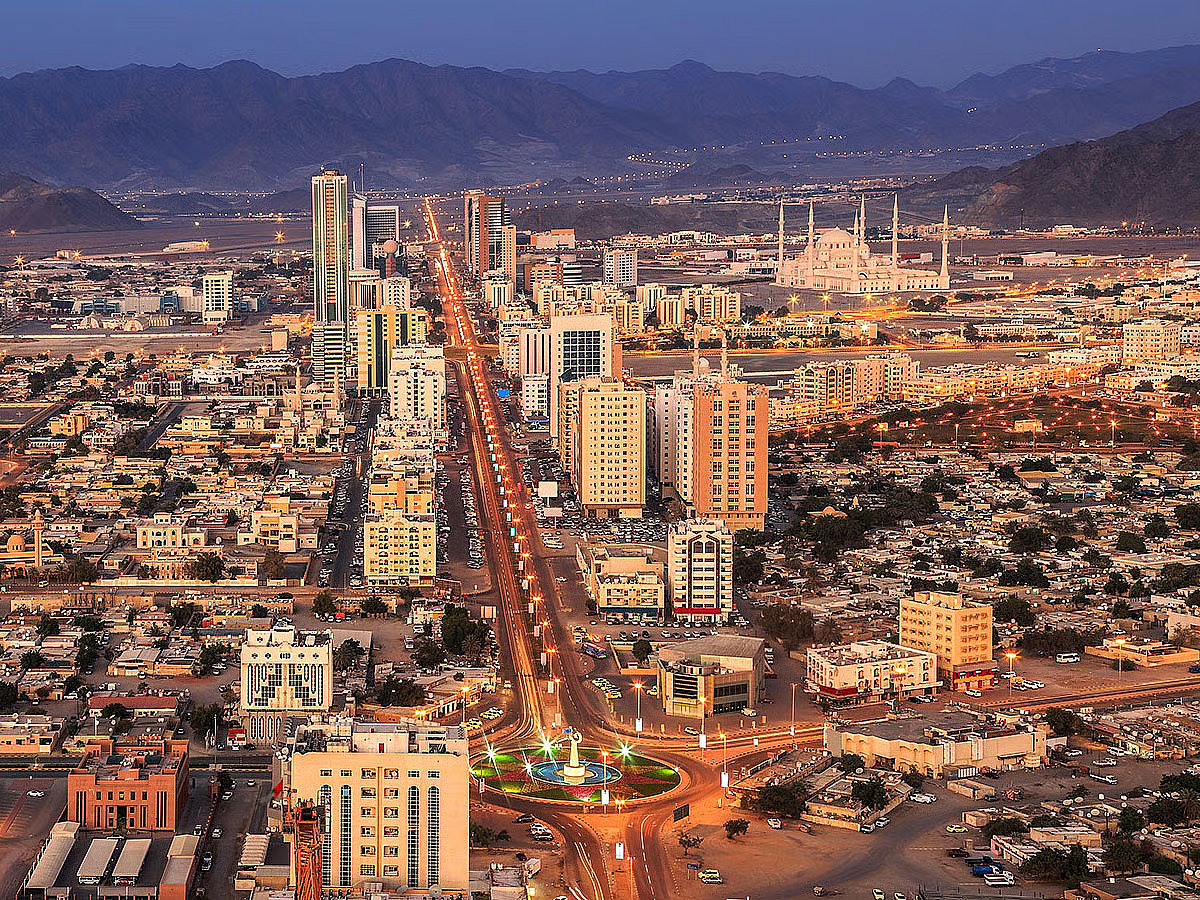
Fujairah: Fujairah’s population rose to 328,495 by the middle of 2025, up from 314,829 a year earlier, as the emirate also recorded strong economic growth with gross domestic product climbing to Dh32.65 billion, according to new figures released by the Fujairah Statistics Centre.
The data, published in the centre’s 29th annual statistical report, pointed to continued expansion across key sectors including industry, tourism, construction, healthcare and education, highlighting Fujairah’s growing economic and demographic footprint within the UAE.
Get updated faster and for FREE: Download the Gulf News app now - simply click here.
Dr Ibrahim Saad, Director of the Fujairah Statistics Centre, said the report covered 15 major sectors, including population, labour, health, tourism, trade, education, transportation, environment and financial indicators.
The figures showed that Fujairah City remained the emirate’s largest population centre with 121,538 residents, followed by Fujairah countryside with 113,920 residents.
Dibba Fujairah recorded a population of 52,413, while Dibba countryside accounted for 40,606 residents. Men represented the majority of the population at 214,313, compared with 114,182 women.
The emirate recorded 1,490 births during the first half of the year and 155 deaths, while marriage registrations reached 833 cases alongside 116 divorces.
Employment across federal and local government entities stood at 16,507 workers, including 6,882 Emiratis and 9,625 expatriates. Municipalities also issued 2,806 building permits during the year, underlining continued construction activity across the emirate.
Education figures showed Fujairah had 59 public and private schools serving 46,418 students, alongside five universities and higher education institutions with a combined enrolment of 4,804 students.
Industrial activity also expanded, with the number of factories rising from 263 in 2024 to 277 in 2025, backed by a total capital investment of Dh13.61 billion. The sector employed more than 21,700 workers.
The report highlighted continued commercial growth, with 14,135 trade licences issued during the year and direct foreign trade valued at Dh3.2 billion, in addition to Dh11.2 billion in trade through the free zone.
Healthcare infrastructure also expanded, with the emirate operating eight hospitals, 93 medical centres and clinics, and employing 971 doctors alongside 1,752 nursing staff.
Tourism figures reflected further momentum in the hospitality sector. Fujairah hosted nearly 802,000 guests across hotels and hotel apartments during 2025, with the number of hotels rising to 34 establishments offering more than 5,000 rooms.
Fujairah International Airport recorded 54,247 flights during the year, handling more than 84,000 arriving passengers and over 73,000 departing travellers.
Environmental data showed authorities collected more than 812,000 tonnes of waste and treated 10.9 million cubic metres of waste materials during the year, while the emirate’s 51 dams continued to support water management efforts.
Traffic statistics recorded 12,894 accidents during the year, including 186 reckless driving incidents and 55 run-over accidents, resulting in 235 injuries and nine deaths. Civil Defence teams responded to 145 fire incidents, most of them residential, while maritime authorities dealt with 13 marine transport accidents without fatalities.
Network Links
GN StoreDownload our app
© Al Nisr Publishing LLC 2026. All rights reserved.