How to secure your home cameras and protect your privacy
Authorities have stressed the importance of securing home surveillance systems
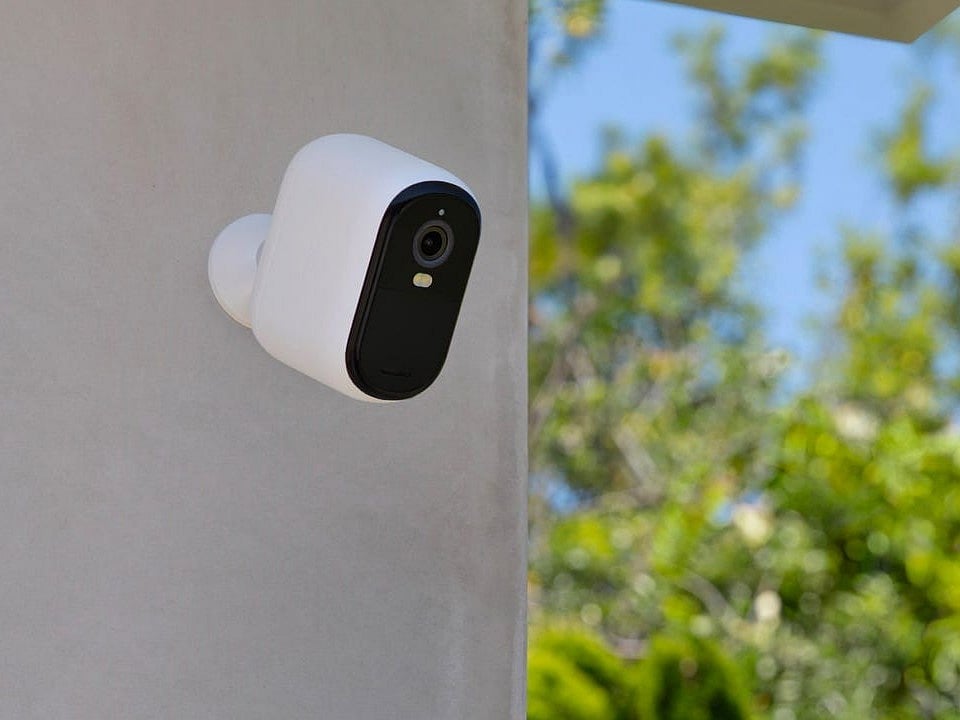
Smart home cameras have become a common way for people to monitor their homes, families and pets. From doorbell cameras to baby monitors, these devices allow users to watch live video through mobile apps.
But experts warn that if not properly secured, these cameras can be vulnerable to hacking and misuse.
Choose secure devices
Before buying a camera, users are advised to check if the device includes basic security features such as encryption. This helps protect video recordings and account details from being accessed by others.
Get updated faster and for FREE: Download the Gulf News app now - simply click here.
If you already own a camera, it is important to check its settings and ensure encryption is activated through the manufacturer’s app or website.
Protect your home network
Since most cameras are connected to home Wi-Fi, securing the network is a key step. This includes using a strong password, updating the router regularly and making sure encryption such as WPA2 or WPA3 is enabled.
Experts also suggest placing cameras on a separate network from other devices like laptops and printers to reduce risks.
Keep software updated
Regular updates help fix security issues. Users should make sure both the camera software and the mobile app are updated to the latest version, either manually or through automatic updates.
Use strong passwords
Using strong and unique passwords is one of the most important steps. Default usernames and passwords should always be changed.
Two-factor authentication is also recommended where available, adding an extra layer of protection.
Manage access carefully
Users should only share camera access with trusted people and choose devices that allow different permission levels.
It is also important to check that camera login pages are secure and use “https” to protect login details.
Follow official guidelines
Authorities in the UAE have also stressed the importance of securing home surveillance systems.
Abu Dhabi Police and the Monitoring and Control Centre have urged residents to follow approved rules when installing cameras, as part of efforts to enhance safety and privacy.
They advised users not to share recorded footage online and to ensure cameras do not capture private areas or neighbouring properties.
Legal requirements
Regulations in the UAE require cameras in certain locations such as residential buildings, malls and hotels. However, cameras are not allowed in private spaces like bathrooms or changing rooms.
Recording footage must be stored securely and not shared publicly.
Violations, including installing cameras without approval, can lead to fines or legal action.
Simple steps to stay safe
Authorities, including Dubai Police, highlighted four main steps to reduce risks:
Change default passwords
Enable two-factor authentication
Update systems regularly
Limit unnecessary access
Officials said that awareness is the first step in protecting digital security.
When used correctly, home cameras remain useful tools for safety. But without proper protection, they can expose personal data and privacy.
The message is clear: simple steps can make a big difference in keeping your home and data secure.
Network Links
GN StoreDownload our app
© Al Nisr Publishing LLC 2026. All rights reserved.