Fatma Belrehif, CEO of the Quality Assurance and Compliance Agency at KHDA
What Dubai schools should prepare for KHDA’s 24-hour notice inspections
KHDA’s new approach will use AI, school performance data to tailor assessments
Last updated:
4 MIN READ
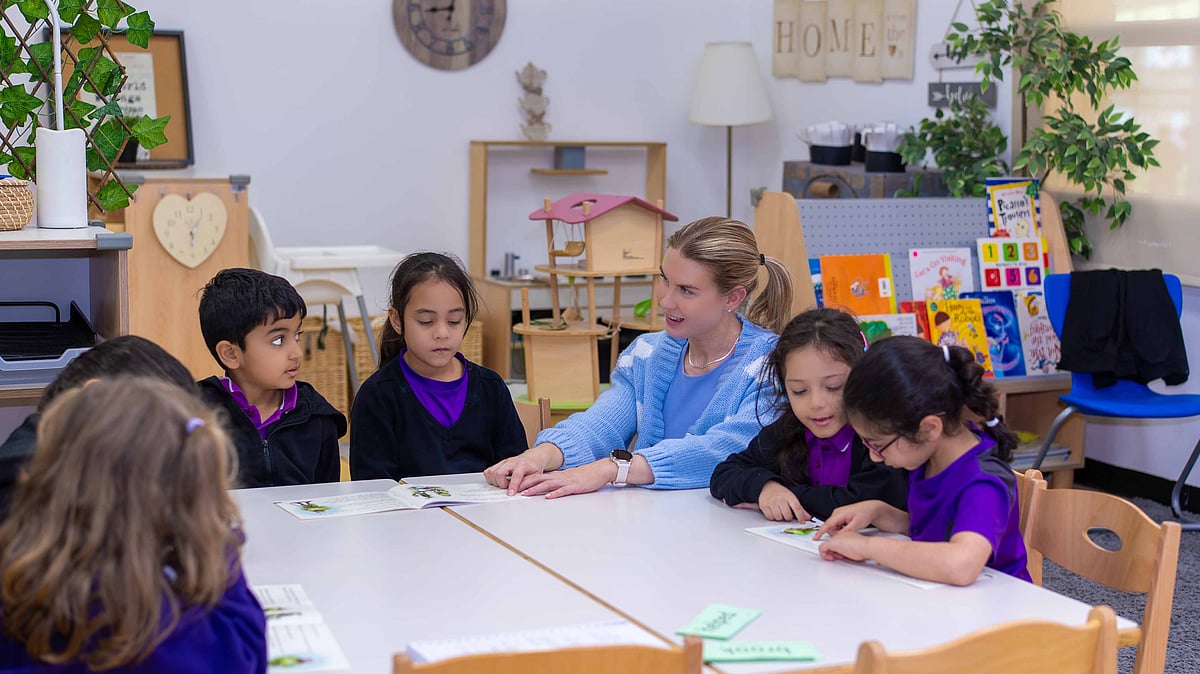
Visits to focus on early childhood provision, Emirati students, inclusive education, and Arabic language teaching and learning
Supplied
Dubai: Dubai’s private schools will undergo a new round of quality assurance visits from the first term of the 2026-27 academic year, with the Knowledge and Human Development Authority (KHDA) introducing a more flexible, data-driven approach to assessing education quality.
Under the revised system, schools will receive no more than 24 hours’ notice before a visit. Artificial intelligence (AI) tools will help determine the most appropriate type of assessment for each school, taking into account its stage of development, performance data, and individual needs.
The new approach aims to provide a clearer picture of students’ everyday experiences in the classroom, while helping schools identify areas for improvement.
Get updated faster and for FREE: Download the Gulf News app now - simply click here.
Two types of school visits
KHDA has introduced two types of quality assurance visits for eligible private schools in Dubai, comprehensive assessments and shorter, targeted follow-up visits.
New schools in their first or second year of operation will receive specialised visits by education evaluators. These will focus on the quality of teaching and learning, students’ experiences, and the support schools need to improve.
Schools entering their third year of operation will undergo a comprehensive quality assurance visit covering overall performance, teaching standards, and learning outcomes. The assessment will conclude with a detailed report and an overall school rating.
Other eligible schools may receive either a comprehensive visit or a shorter follow-up assessment, depending on their performance data and development needs.
The shorter visits will focus on specific areas identified through school data and performance indicators. They will provide feedback on strengths and areas for improvement but will not result in a new overall school rating.
Four key areas under the spotlight
In addition to the existing indicators in the UAE School Inspection Framework, this academic year’s visits will focus on early childhood education, the quality of education provided to Emirati students, inclusive education and the academic progress of students of determination, and the teaching and learning of Arabic.
Evaluators will assess the quality of education and care provided to young children, while clarifying expectations for this important stage of development.
For Emirati students, the focus will be on the quality of education, academic progress, and access to learning opportunities, in line with Dubai’s Education 33 Strategy, which eyes to strengthen educational outcomes and develop Emirati talent.
Inclusive education assessments will examine the quality of provision for students of determination, including specialised educational services for students with complex needs. This work aligns with the Alternative Education Pathways policy and Dubai’s wider efforts to empower people of determination.
Evaluators will also assess Arabic language teaching and the effectiveness of learning approaches, including their impact on students’ reading, writing, comprehension, and communication skills. Assessments will take into account different learning levels and needs, with particular attention to early childhood.
Focus on students’ everyday experience
Fatma Belrehif, CEO of the Quality Assurance and Compliance Agency at KHDA, has noted that the revised approach places students at the centre of school assessments and reflects the objectives of Dubai’s Education 33 (E33) Strategy.
The strategy looks to improve the quality and outcomes of education, ensure access to high-quality learning for all students, and give particular attention to Emirati pupils.
“We believe every student deserves a high-quality education, and every parent has the right to have confidence in the quality of the school they choose for their children,” stated Belrehif.
She added, “This year’s visits are designed to be more flexible and responsive to each school’s needs, with a focus on students’ experience in the classroom and throughout their daily school life. We will work alongside schools to support their improvement journeys through ongoing partnerships with schools, parents, and the wider school community.”
How Dubai private schools are rated
Dubai’s private schools are currently assessed using six overall performance categories: Outstanding, Very Good, Good, Acceptable, Weak, and Very Weak.
According to the most recent school inspection cycle, 81 percent of students in Dubai’s private schools receive a Good or better quality of education. No private school in the emirate has been rated Very Weak.
The new quality assurance methodology builds on the existing inspection framework while placing greater emphasis on individual school needs, students’ academic progress, and the quality of their daily educational experience.
Network Links
GN StoreAbout Gulf NewsTerms & ConditionsReach by GNSitemapContact usPrivacy PolicyGN FocusHave your sayWork with usAdvertise with usGulf News epaperPrinting Services
Download our app
© Al Nisr Publishing LLC 2026. All rights reserved.