Who is liable if AI misdiagnoses? Dubai’s health chief clarifies
DHA chief says responsibility for AI mistakes will depend on who and how the tool is used
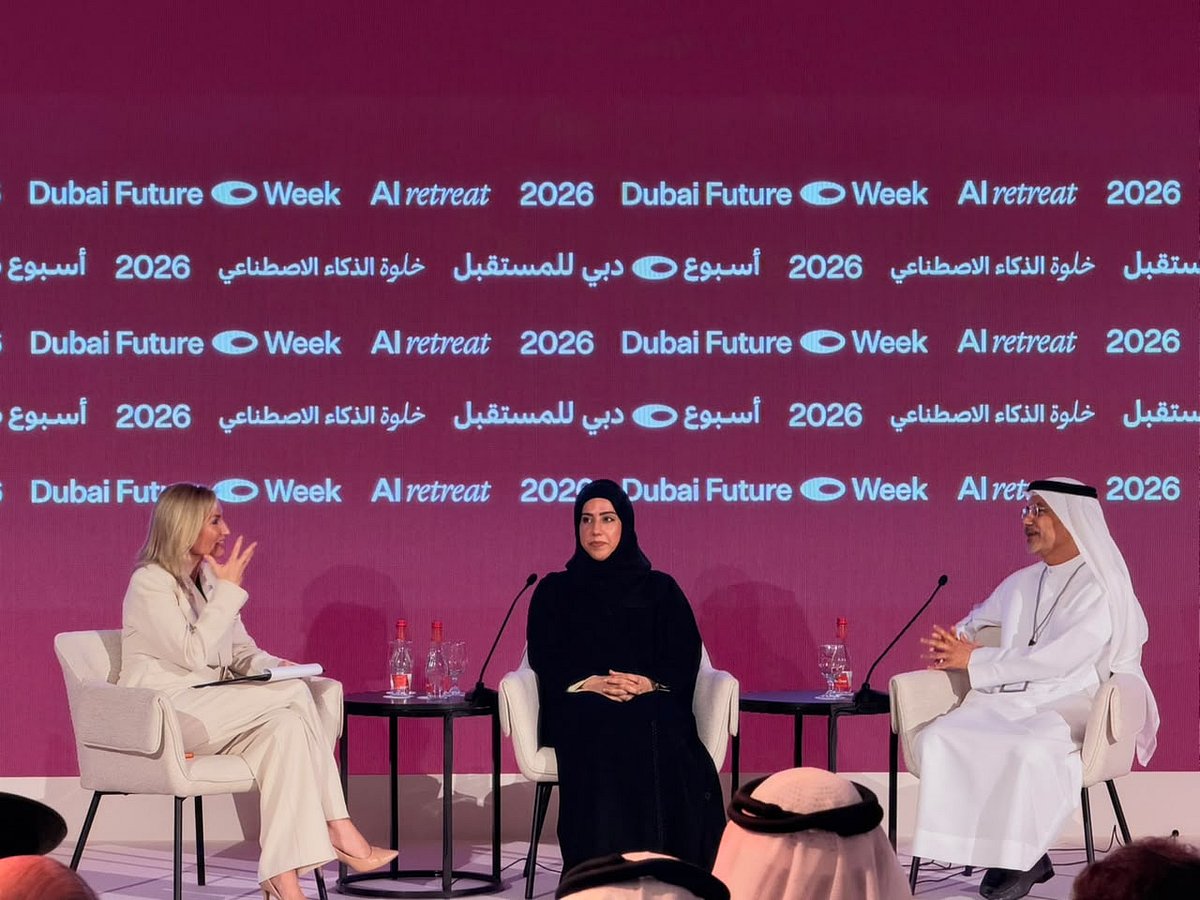
Dubai: When an AI system contributes to a wrong diagnosis, no single party automatically carries the blame. Dr Alawi Alsheikh-Ali, Director General of Dubai Health Authority, said responsibility depends on how the tool is used.
Speaking at the AI Retreat during Dubai Future Week, in a session titled “Past the Pilot”, the DHA chief answered the question many patients ask. If AI leads to a wrong diagnosis, who is to be held responsible?
Alsheikh-Ali named three candidates. The physician, the hospital that allowed the technology, and the company that built it. He then separated two scenarios. AI can act as a tool that assists a doctor, or it can act as the care provider itself. “I don’t think we’re there yet” on the second, he said.
Where AI assists, the physician carries responsibility. A human provides oversight and makes the final call. A defect in the product shifts some liability to the developer. A hospital that lets staff use AI without proper vetting, monitoring or training may share the burden. “It’s not a straightforward answer,” he said, but it is probably a shared responsibility.
Patients should know AI's role
He emphasized on how patients should know when AI plays a part in their diagnosis. He described two stories from the clinic that show why the answer is hard.
The first involved a patient who comes in to check an ongoing chest pain . A doctor asks a patient whether he has chest pain. In one version, the patient says no and means it. In another, he says no with a look that says otherwise. In a third, his wife cuts in. “I can’t believe this. He’s in denial again.”
An ambient AI tool would transcribe the consultations records as the same word each time. “In those three examples, the no is not the same,” Alsheikh-Ali said. Such tools are already in use in the US. The question he posed was where AI captures human judgement.
Adding value to patient's care
He shifted the narrative towards a more serious use of AI in cancer scans. He said, "a new technology would be able to detect a certain cancer six months earlier than current screening. Who would not want that?"
Then researchers ran a proper study and they found that the tool also flagged findings that were not cancer, which meant extra tests and more anxious patients. But what made it worse was that catching the cancer earlier changed nothing about the final outcome, but only added more stress to the patient.
For him the answer was straightforward. Does involving AI bring value to the patient, will it save them any cost and time. He dismissed marketing as a measure. Telling people a hospital uses an AI tool might make it look modern, he said, but that brings no value to the patient.
Alsheikh-Ali prefers to ask what must be known before AI is allowed in. Low-risk uses can face lighter criteria. High-risk uses face tougher ones. Any new tool should make care better, safer or more efficient, such as treating more patients at the same safety level.
Today’s best uses, he said, sit in operations and pattern recognition. These include note summaries, X-rays, CT scans, MRIs and skin or heart readings. He also sees promise in drug discovery, where AI can shorten the time science needs to find new targets.
The biggest prize may be time. Doctors lose hours to paperwork. If AI returns that time, it could restore the human touch to medicine.
Network Links
GN StoreDownload our app
© Al Nisr Publishing LLC 2026. All rights reserved.