What Abu Dhabi crash eyewitness wants every passenger on UAE roads to know
Aeronautical engineer shares lifesaving message after deaths of four young brothers, maid
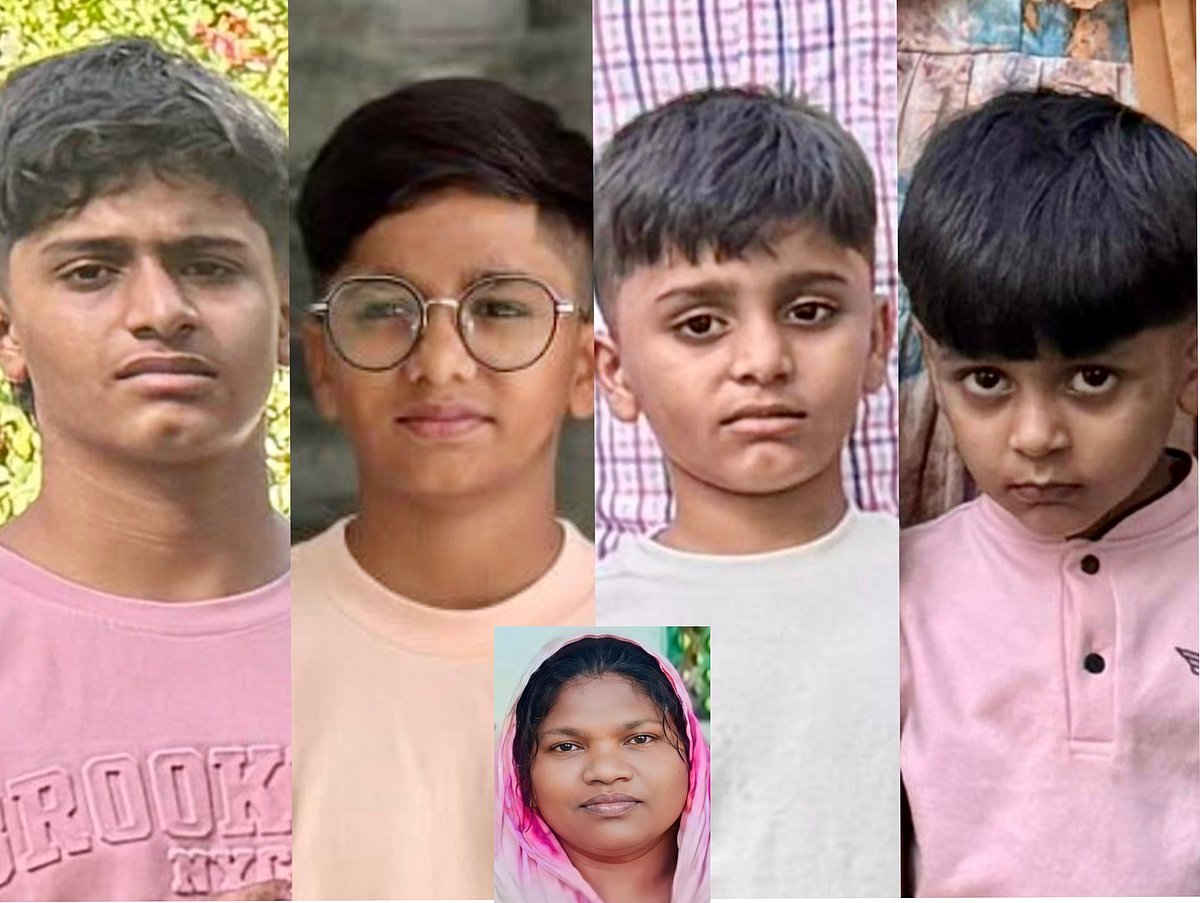
Dubai: After Indian expat NS witnessed the horrific Abu Dhabi car crash that claimed five lives on January 4, one haunting question stayed with her: could more lives have been saved if everyone had been wearing seat belts?
The 24-year-old aeronautical engineer in Dubai, who saw the accident unfold near Al Ghantoot in the pre-dawn darkness along with her father RS, believes the tragedy that killed four young brothers and their family’s domestic helper should serve as a wake-up call for motorists across the UAE.
“It appears the back seat passengers were not wearing seat belts,” NS told Gulf News, as she recalled the devastating moments when she and her father witnessed children and an adult being thrown from a rolling SUV.
“This is what we want to tell people: back seat passengers must wear seat belts,” she said.
The accident claimed the lives of Ashaz, 14, Ammaar, 12, Azzaam, seven, Ayyash, five, and their family’s domestic helper, Bushra Fayaz Yahu, 49. The parents and their only daughter, who is 10, survived with injuries. The Kerala family was returning after a weekend trip to Hatta and the Liwa Festival when tragedy struck around 4.30am on the Abu Dhabi-Dubai highway.
Critical difference
NS observed that the parents, who were seated in the front and wearing seat belts, remained secured in their seats despite the vehicle rolling multiple times. The rear seat occupants, however, were ejected from the vehicle.
“All the windows were shattered. I kept wondering how they were ejected: whether the doors opened during the roll and later shut, or whether they were thrown out through the broken sunroof or windows,” she said.
Only the daughter was released from the rear side after rescue personnel used machinery to cut open the trunk.
Learning from Europe
The eyewitness drew comparisons with safety practices she had experienced abroad.
“I have observed that when I travelled to countries like Germany, there is an alarm that beeps when people don’t wear seat belts in the rear seats also. Here, I have seen it only when front seat passengers do not wear seat belts,” she said.
“I know it is legally required to wear seat belts for back seat passengers, but I rarely see people wearing them here,” she observed.
Clear laws in place
However, there are clear laws in the UAE that mandate all passengers to buckle up. According to UAE traffic regulations, all passengers in a vehicle, including those seated in the rear, must wear seat belts.
The Federal Traffic Law enforces strict penalties for non-compliance. Drivers face a Dh400 fine and four black points if any passenger in the vehicle is not wearing a seat belt. This applies to all occupants, regardless of whether they are seated in the front or back.
Children under four years old must be secured in an appropriate car seat, with the same penalties applying for violations.
Why it matters
According to the US National Highway Traffic Safety Administration, using lap and shoulder seat belts reduces the risk of death among passenger car occupants by 45% and cuts down moderate to critical injuries by 50%.
Seat belts work by distributing collision forces across the body. During a crash, unrestrained passengers can be thrown from the vehicle or collide with other occupants, causing severe injuries or fatalities.
Technology catching up
While NS noted that many vehicles in the UAE currently lack rear seat belt alarms, newer car models are beginning to incorporate this safety feature.
Modern vehicles increasingly come equipped with sophisticated warning systems that alert drivers when any passenger, including those in the rear seats, fails to buckle up. This technology is expected to be a significant step towards preventing similar tragedies.
The incident has deeply affected NS. “We became numb and my father drove extremely carefully afterwards. When I started driving again, the visuals kept coming back. I’ve become a much more conscious driver now,” NS said earlier.
As a takeaway, the avionics engineer added: “We are praying for the family, and we ask everyone else to do the same. At the same time, we want this tragedy to serve as a warning. Seat belts save lives, and that applies to every passenger in the car.”
Network Links
GN StoreDownload our app
© Al Nisr Publishing LLC 2026. All rights reserved.