UAE prosecutor reveals how ordinary people can become part of money-laundering networks
Rented bank accounts, fake firms and bogus deals are putting residents at risk
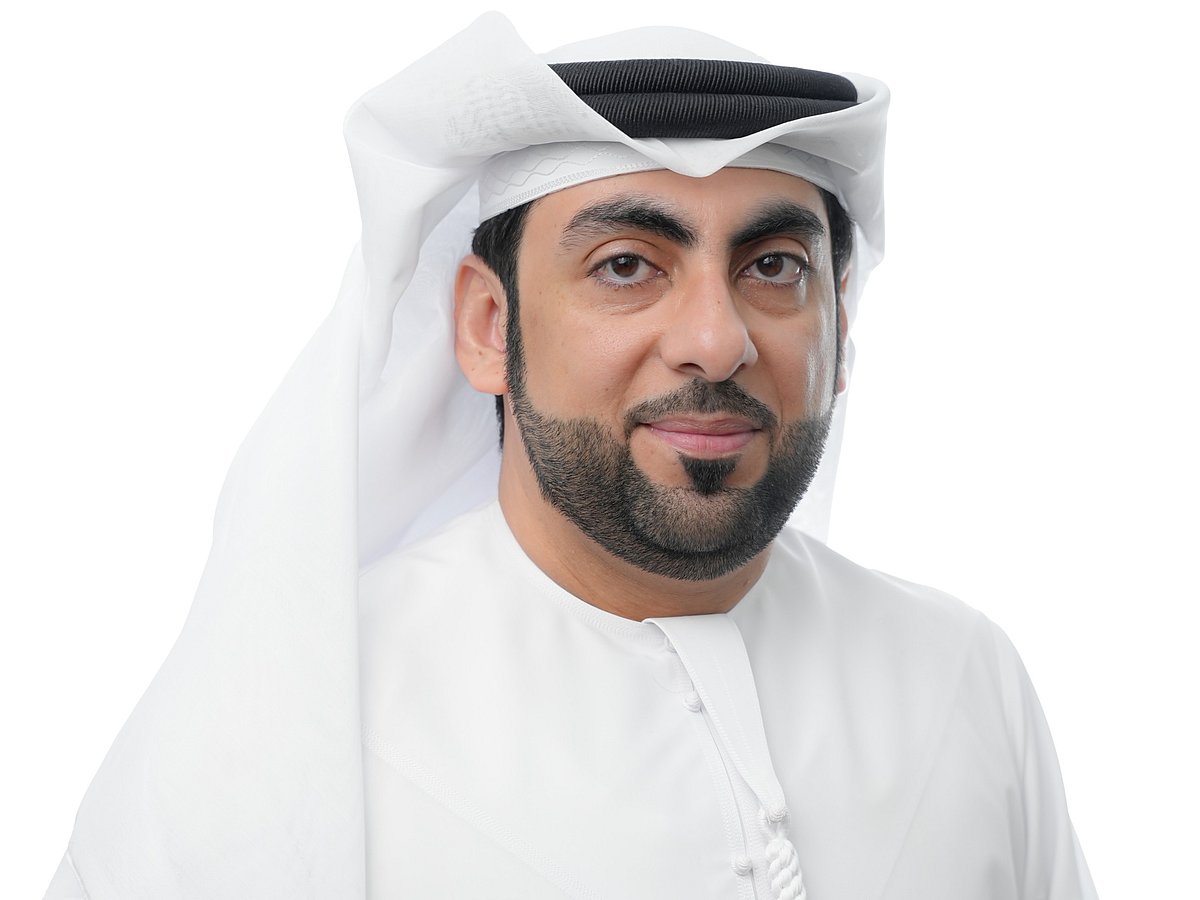
Sharjah: Renting out a bank account, setting up a fake company, issuing forged invoices, responding to suspicious social media offers or moving money for someone else may seem like harmless ways to make quick cash — but they can expose people to serious criminal charges, a senior Sharjah prosecutor has warned.
Speaking on Sharjah TV’s Qadiya Lil Hiwar, which means in English “An issue for discussion” Dr Abdullah Mohammed Al Ali, Head of Prosecution and Assistant Prosecutor at the Sharjah Public Prosecution, said criminals are increasingly exploiting digital banking, social media, digital assets and legitimate-looking businesses to disguise the source of illicit money and move it rapidly between accounts.
Get updated faster and for FREE: Download the Gulf News app now - simply click here.
Some schemes are sophisticated. Others rely on ordinary people who are offered money to lend their bank accounts or carry out transfers on someone else’s behalf.
“People need to understand that a bank account is a personal right,” Al Ali said, warning residents against allowing others to use their accounts or banking details.
Renting out bank accounts can make ordinary account holders an unwitting link in a criminal money trail, Sharjah prosecutor has warned.
Al Ali said some individuals open four or five bank accounts and hand them over to others in exchange for money, allowing the accounts to be used to receive and move illicit funds.
The accounts may be used by people without legal residency or those facing residency problems who do not want to use accounts in their own names. Criminals can move funds through several rented accounts, making it harder to identify who controls the money.
Al Ali stressed that there is no legal concept of renting a bank account.
This differs from a legitimate arrangement in which an account holder formally authorises another person to manage their finances. An elderly person or someone living outside the UAE, for example, may authorise another person through the bank’s official procedures.
In such cases, the bank knows who is authorised to operate the account, allowing authorities to identify who was managing it if a suspicious transaction occurs.
With a rented account, the holder may hand over banking access for payment, then face questions about transactions carried out in their name.
Al Ali warned residents not to assume that saying “I rented out my account” will protect them. Authorities can examine whether the account was used to receive, transfer or conceal criminal proceeds, as well as the holder’s role and knowledge.
Some account holders may claim they were only helping someone or earning extra income, but each case is assessed on the evidence and circumstances.
“There is no legal concept of renting a bank account,” Al Ali said, urging residents never to allow others to use their accounts outside legitimate, bank-approved arrangements.
Residents should also never hand over bank cards, account details, PINs, passwords or other banking access credentials.
Allowing another person to use an account can expose its registered holder to serious legal and financial consequences if it is used to move criminal proceeds.
The prosecutor said newly arrived residents are among the most common targets of account-rental schemes.
Individuals who have recently obtained residency permits or started new jobs are often approached with offers of easy money in exchange for allowing others to use their accounts. Many fail to recognise the legal risks involved until they become subjects of financial investigations.
Criminals can also use fictitious companies to give illicit funds the appearance of legitimate business income.
A company may have a trade licence and a registered address, but little or no genuine commercial activity.
Money can then be deposited into its account and moved through apparently legitimate transactions.
Al Ali said criminals may create fake sales and purchases, issue false invoices or record transactions that never actually happened before transferring the funds to personal accounts, other companies or accounts outside the UAE.
He urged businesses to maintain accurate records of sales, purchases and transfers so legitimate transactions can be verified.
Social media has created another opportunity for criminals.
Fraudsters can advertise products, property and other goods on platforms such as Instagram and Snapchat, often using unusually low prices to attract victims.
A buyer may be asked to pay a deposit or transfer the full amount before receiving the product.
After the payment, the victim may discover that the product does not exist, the company is fictitious and the seller has disappeared.
Scammers may also create pressure by claiming that the offer is available for a limited time or that another buyer is ready to pay.
The objective is to make the victim transfer money before carrying out basic checks.
Al Ali urged consumers to be suspicious of prices that make little commercial sense.
If an item normally sells for Dh15,000 but is suddenly offered online for a fraction of that amount, buyers should stop and investigate.
The product could be counterfeit, the account could be fake or the entire transaction could be an attempt to defraud the buyer.
Consumers should compare prices, verify the seller and check whether the business actually exists before transferring money.
Technology has also transformed the way illicit funds can be moved.
Al Ali said digital banking and digital assets allow transactions to take place extremely quickly.
Money obtained through fraud, for example, can be used to purchase digital assets and subsequently transferred to another account or an entity outside the UAE.
The speed and complexity of these transactions can make the movement of criminal proceeds harder to identify.
Another warning concerns people who agree to make transfers for someone else.
A person may approach someone at a money exchange or elsewhere and claim that they need help sending money to relatives because they have a problem with their identity documents or do not have access to an account.
The person helping may make the transfer using their own details, believing they are doing nothing more than a favour.
Months later, they could be contacted by authorities and asked to explain the transaction.
Al Ali urged residents to keep financial assistance within safe and lawful boundaries.
“Helping people is a good thing, but there are matters involving bank accounts and financial transfers that people should stay away from,” he said.
An unexplained transfer should never simply be treated as a windfall.
Al Ali gave the example of a person who accidentally transfers money to the wrong bank account because of an incorrectly entered account number.
The recipient may be tempted to keep the money or transfer it elsewhere.
That can create a legal problem.
Residents who receive an unexpected payment should establish its source and contact the appropriate authorities or their bank rather than moving the money.
One of the biggest misconceptions is that a person cannot be held responsible if they did not know the money was connected to a crime.
Al Ali said each case must be assessed through investigation to determine whether the individual deliberately participated, facilitated the crime or was genuinely an innocent victim.
However, he stressed the established legal principle that ignorance of the law is not an excuse.
The circumstances surrounding the transaction, the person's actions and the available evidence are considered during the investigation.
Another misconception is that moving a small amount of money cannot lead to serious consequences.
Al Ali rejected that assumption.
Whether the amount is Dh1,000, Dh2,000 or Dh3,000, the circumstances and the person's role remain important.
He compared it to theft: stealing a small amount remains a crime even though the value is lower.
The same principle applies to involvement in the movement of suspicious funds.
Financial records are an important tool in detecting suspicious transactions.
Al Ali explained that banks may question transactions that do not match a customer's declared financial circumstances.
For example, if a person reports a monthly salary of Dh5,000 but large sums suddenly begin entering and leaving the account, the bank may ask the customer to explain the source.
The customer may be asked whether the funds are linked to a business, investment or another legitimate source.
If the transactions cannot be satisfactorily explained, the bank may report the matter to the relevant authorities.
The impact of money laundering goes beyond the criminals involved.
Illicit funds entering legitimate businesses can distort prices and undermine fair competition.
A money launderer may sell goods at extremely low prices because making a profit is not the main objective. The priority is to introduce and circulate illicit money through the legitimate economy.
This can put law-abiding businesses at a disadvantage and distort the market.
Leaving the UAE does not necessarily end the investigation.
Al Ali said authorities can work with counterparts in other countries to trace suspects and criminal proceeds located abroad. Al Ali said UAE authorities work with foreign governments through extradition agreements, asset-freezing arrangements and mutual legal assistance treaties to track criminal proceeds and recover assets.
The prosecutor said money laundering offences carry some of the toughest financial crime penalties under UAE law.
Punishments can include prison terms ranging from 15 to 25 years, fines that may reach Dh200 million, confiscation of illicit proceeds and closure of companies involved in laundering activities. Foreign offenders may also face deportation. He stressed that all participants in a laundering scheme — including account holders, facilitators and those transferring funds — may be treated as perpetrators under the law.
Al Ali urged residents to avoid misleading investment offers, verify online sellers and consult others before making financial decisions involving unusually attractive returns.
He also encouraged the public to report suspected fraud and money laundering through police digital platforms, stressing that reporting suspicious activity can help prevent others from becoming victims.
Network Links
GN StoreDownload our app
© Al Nisr Publishing LLC 2026. All rights reserved.