Dubai Police adopt cutting-edge DNA science to crack complex cases
New technology helps investigators identify suspects through distant genetic links
Dubai: Dubai Police have strengthened their ability to crack some of the most challenging criminal cases with the introduction of forensic genetic genealogy, a cutting-edge technique that expands the reach of modern forensic science.
The initiative, rolled out by the Genome Centre at the General Department of Forensic Evidence and Criminology, underscores Dubai Police’s drive to stay ahead of evolving crime through innovation and science-led policing.
Unlike conventional DNA testing, which depends on direct matches, forensic genetic genealogy works by analysing unidentified DNA recovered from crime scenes against international genetic databases such as GEDMatch. These databases hold millions of genetic profiles voluntarily shared by individuals worldwide to support research, justice and public safety.
The technique focuses on identifying distant genetic relationships rather than exact matches. By mapping these links, specialists are able to construct detailed family trees that gradually narrow the field of investigation, ultimately leading to precise identification. This approach has proven especially valuable in cases that remained unsolved using traditional forensic tools alone.
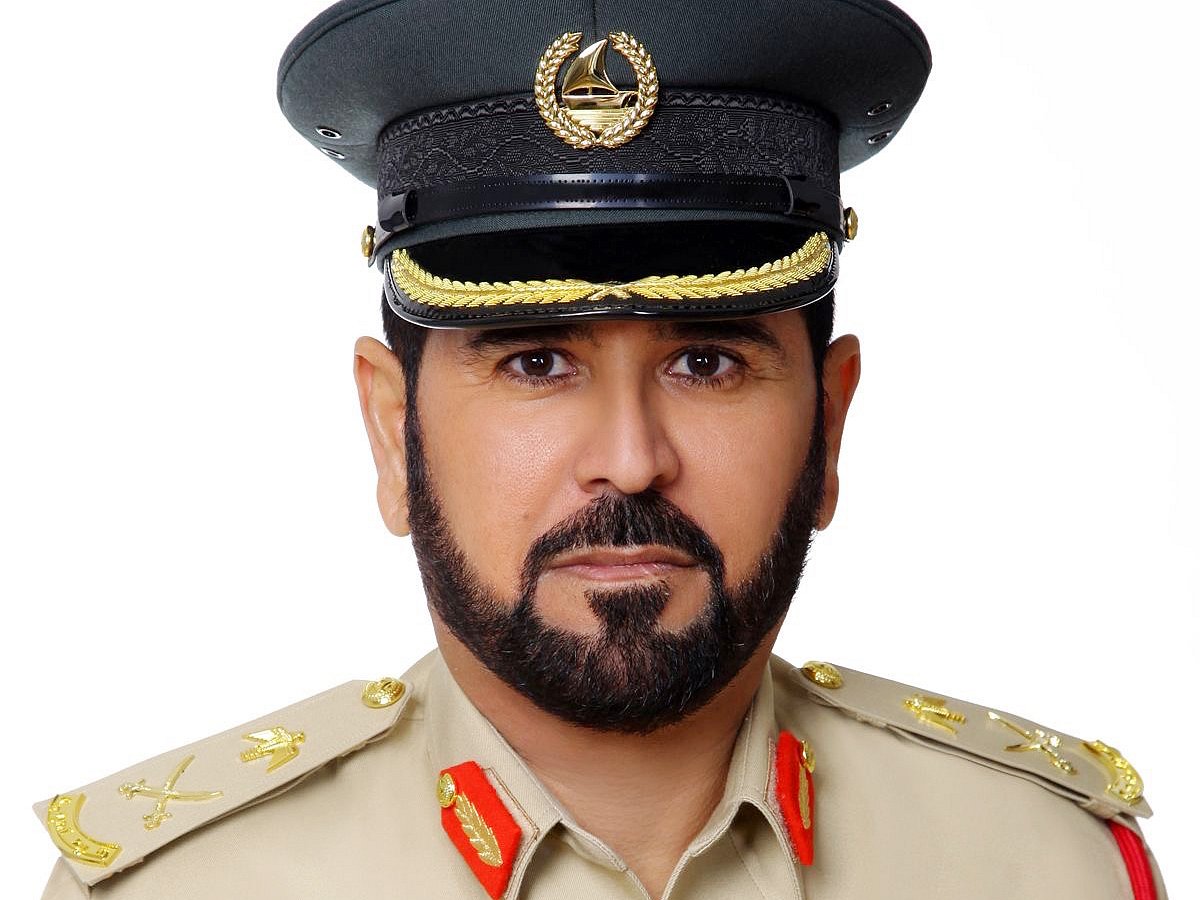
Major General Ahmad Thani bin Ghalita, Director of the General Department of Forensic Evidence and Criminology, said the move reflects Dubai Police’s commitment to anticipating future security challenges and placing science at the heart of justice. He stressed that Dubai Police do not simply follow international standards but actively help shape them to ensure Dubai remains among the safest and most stable cities in the world.
Lt Colonel Expert Dr Mohammad Ali Al Marri, Director of the Genome Centre, explained that the technology goes far beyond traditional DNA profiling. Instead of searching for identical genetic matches, it analyses distant relationships and builds highly accurate family trees that guide investigators to the correct individual.
He added that the centre’s bioinformatics specialists rely on artificial intelligence to develop innovative analytical pathways, reinforcing the Genome Centre’s status as a cutting-edge scientific hub and further cementing Dubai Police’s leadership in advanced forensic sciences.

Sign up for the Daily Briefing
Get the latest news and updates straight to your inbox
Network Links
GN StoreDownload our app
© Al Nisr Publishing LLC 2026. All rights reserved.