Rise of ‘Saad Al Saud’ star signals spring shift in UAE
Astronomer says warmer days and milder nights begin
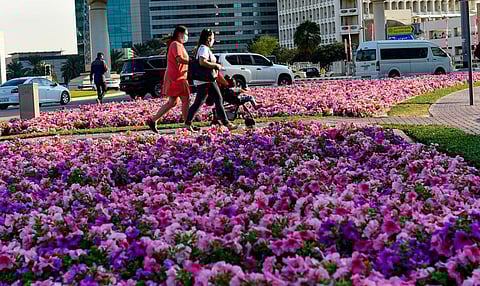
Dubai: The rise of Saad Al Saud, traditionally regarded as the first star of spring in Arab astronomical heritage, marks a shift toward milder weather in the UAE, with warmer days and moderate nights, according to Ibrahim Al Jarwan, Board Chairman of the Emirates Astronomical Society and member of the Arab Union for Space and Astronomy Sciences.
Al Jarwan said the star appeared at dawn on March 8, signalling the beginning of the spring season and the gradual end of winter and colder conditions. The period also marks the start of the spring transitional phase, known locally as sarayat, which is often accompanied by atmospheric instability and continued chances of rainfall.
Saad Al Saud is considered the third of the traditional “Saud” stars within the season known as Al Aqareb, and its period runs from March 8 to March 20. During this time, day and night become nearly equal before daylight hours begin to increase gradually.
Stay updated: Get the latest faster by downloading the Gulf News app - it's completely free. Click here for Apple or here for Android. You can also find it on the Huawei AppGallery.
The period also includes what Arabs historically referred to as “Ayyam Al Husum,” an eight-day stretch sometimes called “the old woman’s days,” known for strong winds and lingering cold conditions that often accompany the transition from winter to spring.
In traditional Arab sayings, the appearance of Saad Al Saud is associated with the renewal of nature. One proverb states: “When Saad Al Saud rises, skins soften, frost melts, every branch turns green, and sitting in the sun becomes unwelcome.”
The period has also historically been linked to agricultural activity, including planting palm offshoots and citrus seedlings, pruning fig trees, and the start of grapevine growth after winter dormancy, while the date palm pollination season continues.

