Arab TV is divorced from reality, experts say
Media forum hears from people in the industry
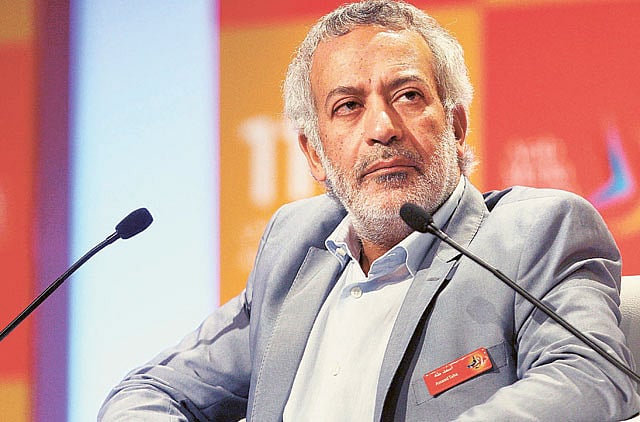
Dubai The call for TV content to reflect the reality on the streets reverberated at one session of the Arab Media Forum (AMF).
The panellists termed the current state of Arab television production as "divorced from reality" and lamented the paucity of Arab content.
They supported the belief that TV should express the reality on the ground whether through drama or news, and refrain from importing material, copying overseas content and dubbing material. They raised the issue of how non-Arab content left the viewer to question whether it portrayed any cultural context of Arabism in the form of everyday household dialogue or societal events. The reliance on foreign productions raised several questions including why Arab satellite stations bought rather than produced distinctive work and the reasons for the decline in creativity in Arab media productions.
Arab sentiment
The problems are manifold, the panellists said. These range from budgets, poor scripts, lack of appreciation, viewer culture, restrictive permissions for locations, and high production costs compared to other countries. They also discussed measures that could help production houses produce good quality content to reflect Arab sentiment and reality.
After the session called ‘Television Production: Where is the Innovation', Gulf News approached two of the panellists, Assad Taha, documentary filmmaker and general manager of Hot Spot Films, and Heba Hamada, a writer from Kuwait and MBC group consultant for Dramatic Works.
‘Inferior work'
Taha said: "In general, the current TV content doesn't reflect reality. Most productions produce inferior work that does not portray the problems or concerns of the Arab people. Instead, local stations get broadcast material from Europe or the US, dubbing it and presenting an unrealistic view of the region. We can fix this. I urge production houses and broadcasting companies to change their mindset."
Heba spoke of restrictions experienced by production houses in the region. She said: "In the Gulf there are many restrictions. To shoot in public spaces you need permissions. This forces producers to recreate settings, often unrealistically. The scripts too tend to be restricted so rarely can we address taboo issues like infidelity. Scripts and storyboards should be able to address these issues whenever there is a need."
Sign up for the Daily Briefing
Get the latest news and updates straight to your inbox
Network Links
GN StoreDownload our app
© Al Nisr Publishing LLC 2026. All rights reserved.