Abu Dhabi Dialogue 2026: Member states focus on skills, productivity, and future of work
Al Awar: Dialogue key for policy exchange between labour-sending and receiving countries
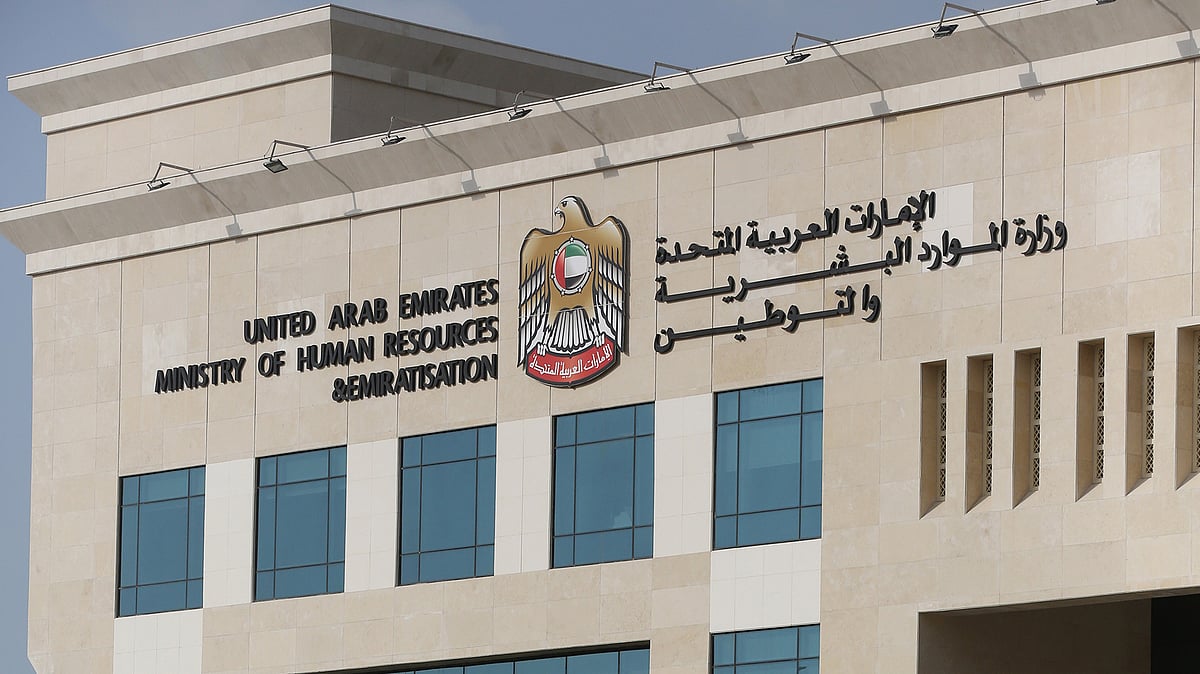
Abu Dhabi : Member states of the Abu Dhabi Dialogue (ADD) convened in Dubai for the Eighth Ministerial Consultative Meeting to discuss enhancing workforce skills, productivity, and governance of labour mobility between sending and receiving countries.
The meeting focused on a forward-looking vision aligned with the future of work, amid global and regional labour market transformations.
Platform for cooperation and policy exchange
The dialogue brought together ministers of labour, human resources, and employment, alongside representatives from international organizations, the private sector, civil society, and experts. For the first time, the Labour Office of the Organization of Islamic Cooperation attended as an observer.
Dr. Abdulrahman Al Awar, Minister of Human Resources and Emiratisation and Acting Minister of Higher Education and Scientific Research, stressed the Abu Dhabi Dialogue’s pivotal role since its establishment in 2008, highlighting its effectiveness as a platform for sharing expertise, developing policies, and ensuring safe, orderly labour mobility while enhancing worker wellbeing and rights.
UAE labour market achievements
Al Awar showcased the UAE’s labour market advancements, highlighting a legislative framework designed to meet future demands, attract global talent, empower national human capital, and strengthen public-private partnerships.
Over the past five years, the workforce grew by 101%, including 12% growth in 2025 alone.
Skilled labour rose by over 49%, the number of companies grew by 45%, women’s participation increased by 101%, and Emirati employment in the private sector surged by approximately 366%.
Social protection coverage includes 99% of workers under the Wage Protection System and Workers’ Rights Insurance Scheme, with 90% of targeted workers holding unemployment insurance. Six savings funds and comprehensive health insurance packages have been implemented.
Compliance with the UAE’s heat stress protection policy exceeds 99%, ensuring safety for workers across sectors.
Al Awar added that labour legislation continues to evolve, with policies under study to govern freelancing and platform-based work, ensuring market flexibility and sustainability.
Digital transformation and workforce productivity
Investment in digital systems has enabled over 11 million labour transactions to be processed instantly. AI-enabled inspections have improved efficiency by 40%, reduced repeat violations by 54%, and raised compliance rates across private-sector establishments.
The UAE ranked first globally in several 2025 labour market competitiveness indicators, including employment growth, low disputes, leadership competencies, and workforce expansion.
Bridging skills gaps
The “Emirates Skills” platform was launched to forecast future sector needs, track labour market shifts, and identify skills in demand, particularly in AI-impacted sectors. The platform guides policymakers, educators, and students on academic and career pathways aligned with national priorities.
Additionally, a National Internship Platform enables university students—citizens and residents—to access real workplace training through partnerships with academic institutions and private-sector companies, preparing talent for the future economy.
Regional collaboration and climate-responsive workforce planning
Dr. Mahad bin Saeed Baowain, Oman’s Minister of Labour and Dialogue Chair, praised the cooperation among member states and the dialogue’s growing relevance amid global transitions. Sessions explored climate change impacts on women’s livelihoods in South Asia, skills shortages in sending and receiving countries, and the link between workforce development, climate adaptation, and economic resilience.
Abu Dhabi Dialogue as knowledge-sharing platform
A dedicated session on the Global Compact for Migration emphasised leveraging the dialogue to support the 2026 International Migration Review Forum. Discussions focused on improving data systems, expanding skills-responsive migration pathways, and protecting migrant workers in alignment with the Sustainable Development Goals.
Senior officials also highlighted investment in future skills, green talent pools, private-sector engagement, women’s participation, and the platform economy, reinforcing the Abu Dhabi Dialogue’s role as a regional hub for labour policy innovation.
Network Links
GN StoreDownload our app
© Al Nisr Publishing LLC 2026. All rights reserved.