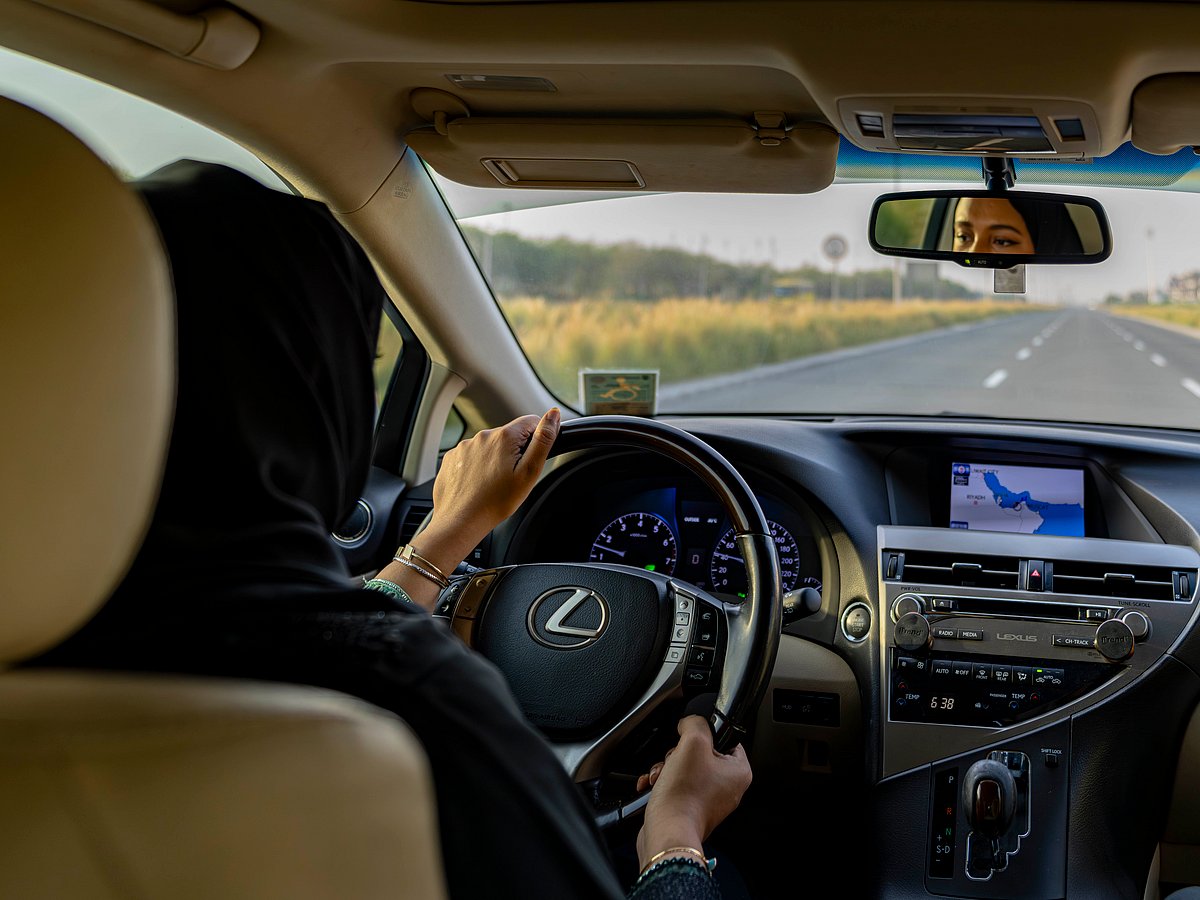
In any city, the value of transit infrastructure is often measured in minutes.... A quicker route to work, a more reliable school run or an easier journey across town can shape daily routines in ways that people notice immediately. Across Abu Dhabi, a series of road and connectivity projects is helping to reduce travel times, improve access between communities and make journeys more predictable.
The latest upgrades reflect the different transport demands found across the emirate. Some projects are designed to ease congestion at busy junctions, while others create new links between residential districts, business hubs and leisure destinations. Together, they form part of a wider effort to support a growing population and expanding urban areas.
Get updated faster and for FREE: Download the Gulf News app now - simply click here.
Two new bridges, with a total cost of Dh450 million, will provide Al Reem Island with direct access to the E12 highway.
One recent example is the Dh450 million project connecting Al Reem Island directly to the E12 highway through two new bridges. Opened in March, the 1.5-kilometre link provides an alternative to Hamdan bin Mohammed Street and Mina Road for traffic travelling towards Saadiyat Island and the Dubai-bound highway.
For residents such as Cromwell Ojeda, the impact is measured in time saved. Journeys from his home near Al Reem Island that once took around 30 minutes, now take roughly half that.
"The difference is noticeable straight away," he says. "Places like Saadiyat, Yas and Mina Zayed feel much closer now. What used to be a journey you had to factor into your day is a lot easier."
The improved connection has also changed how he spends his free time. Alongside the road connection, two kilometres of dedicated pedestrian and cycling paths offer views of the Al Reem skyline and create another option for exercise and recreation.
"I cycle and jog regularly, and having the path there makes a real difference," says Ojeda. "It's easier to get out and exercise without having to travel somewhere first."
The same piece of infrastructure improves movement by car while creating new opportunities for active travel. Stretching across 1.5 kilometres, the bridges can accommodate up to 7,200 vehicles an hour. The Department of Municipalities and Transport (DMT)expects the route to reduce peak-hour travel times by as much as 60 per cent, saving up to 15 minutes on some journeys. That means greater consistency for commuters in their daily travel. Across the wider network, it also helps to ease pressure on surrounding roads.
Eisa Mubarak Al Mazrouei, Director General of the Infrastructure Development Directorate, an affiliate of DMT, says transport projects are designed to improve everyday journeys while strengthening connections across the emirate.
"Every project begins with understanding how people move through an area and where the pressure points are," he says. "Our aim is to deliver infrastructure that improves connectivity, supports economic activity and enhances quality of life for residents and visitors alike."
He says successful transport networks must work at both the neighbourhood and emirate levels.
"Whether it is a new bridge, a road upgrade or an intersection improvement, the goal is to make travel safer, more efficient and more predictable for everyone who relies on the network."
Elsewhere in Abu Dhabi, the focus is on different transport needs. In Khalifa City, work is underway to widen the E20 highway from three to five lanes. New bridges, ramps and access improvements are intended to support movement between the residential district, Zayed International Airport and surrounding communities.
The upgrades reflect the route's unique role within Abu Dhabi's transport network. The E20 serves local residents while also carrying airport traffic and longer-distance journeys. Upgrades are designed to improve access to nearby destinations without disrupting the wider flow of vehicles along the corridor.
Al Ain projects
In Al Ain, two separate projects are addressing growing demand around key destinations and residential areas. The Dh16 million redevelopment of Mubazzarah Dam Road will create a more direct route to Green Mubazzarah, while an Dh185 million upgrade at Zakher Intersection has replaced a four-way roundabout with a signalised junction and underpass beneath Hazza bin Sultan Street.
Although the projects serve different communities, they share the same objective of making travel easier and more efficient across the emirate. By targeting locations where congestion or connectivity challenges emerge, each scheme is tailored to the specific needs of the area it serves.
Together, they illustrate the close relationship between mobility and liveability. While shorter travel times are important, residents also benefit from having more travel options and greater certainty about how long a journey is likely to take. That reliability influences everything from school runs and work schedules to appointments, deliveries and leisure time.
“Enhancing everyday mobility plays a vital role in making Abu Dhabi one of the world's most liveable cities,” said Dr Abdulla Hamad Obaid AlGhfeli, Acting Director General of the Integrated Transport Centre, an affiliate of the DMT. “By delivering flexible public transit options and smart traffic management, we ensure that as the emirate grows, every journey remains safe and convenient.”
Reliable infrastructure can strengthen economic confidence
Reliable infrastructure can also strengthen economic confidence. Businesses depend on transport links to reach customers, manage operations and attract talent from across the emirate. Improvements felt in everyday journeys can therefore have a wider impact on Abu Dhabi's attractiveness as a place to live, work and invest.
These links between mobility, liveability, and economic growth will be explored at LIVEX 2026, DMT’s Liveability and Investment Exhibition, at ADNEC Centre Abu Dhabi from 29 September to 1 October.
The real measure of a transport network is not only how far it reaches, but how easily it helps people move through their day. Across Abu Dhabi, new connections are shortening journeys, improving reliability and bringing communities closer together. For residents, the result is simple. They spend less time travelling and more time where it matters.
Network Links
GN StoreDownload our app
© Al Nisr Publishing LLC 2026. All rights reserved.