Dubai is growing fast. Can its transport network keep pace?
Shared mobility can bridge transport gaps across Dubai’s fast-growing communities
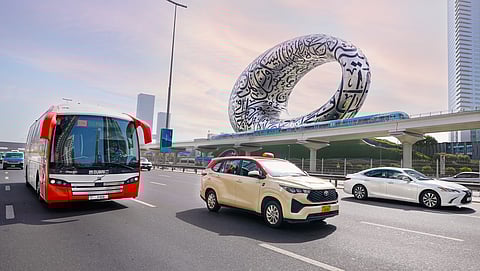
Dubai: In one year, Dubai alone added more than 330,000 residents, taking its population to 4.58 million. This growth is driving the development of new residential communities, commercial districts and leisure destinations, changing how people move between their homes, workplaces and daily activities. While major transport infrastructure in the UAE continues to develop, these fixed networks cannot immediately reach every new community or serve every trip, which is why flexible mobility has become an increasingly important part of the country’s transport mix.
This need will become especially visible during the second half of the year, when schools reopen, and the UAE’s events calendar moves into its busiest period. The country will welcome more holiday and business travellers and increase daily movement across the city.
Get updated faster and for FREE: Download the Gulf News app now - simply click here.
Preparing for the seasonal rise in demand
Residents returning after summer bring a noticeable rise in commuting, while large exhibitions and conferences add pressure around airports, hotels, event venues and business districts. During these periods, travellers need more than one reliable option because no single transport mode can efficiently serve every destination or schedule.
In 2025, Dubai recorded 802.1 million journeys across public transport, shared mobility and taxis, with shared mobility up 30%, and October–November among the busiest months.
Car sharing can help manage this demand by covering trips that don’t always fit fixed public transport routes, such as moving between meetings, travelling beyond metro areas, or using a car for a few hours. It also provides a simple alternative when taxis and ride-hailing services are in high demand.
Connecting communities as they develop
Rapidly growing residential and mixed-use communities are also creating new mobility patterns, often outpacing public transport coverage. While road connectivity is strong, limited metro and bus access means residents rely on private cars or taxis for commuting.
Shared mobility can offer a simple, immediate option while permanent infrastructure continues to grow, allowing people to use a car when they need it without the ongoing cost or responsibility of ownership. A recent Udrive customer survey found that work-related travel, daily transport and social outings were the most common reasons for booking a vehicle, with over 40% of respondents not owning a car. UAE residents account for 90% of the app’s users, with 45M kilometres travelled in 2025.
These figures show car sharing is becoming part of everyday travel, not just a tourist or occasional rental service. For many people, it sits between public transport and private ownership, offering easy access to a vehicle for minutes, hours or days depending on need.
Building a connected transport network
The strongest mobility system is one where public transport, shared cars, taxis, cycling and walking all work together instead of being seen as separate options. For example, a commuter might take the metro for most of their journey and then pick up a shared car near the station to reach a workplace or residential area that isn’t directly connected by public transport.
The expansion of Etihad Rail passenger services will make inter-emirate travel easier and increase the need for seamless first- and last-mile connections. Rail will efficiently handle longer trips, while car sharing and other local mobility options will link stations to homes, offices, hotels and venues. As intercity travel grows for work, study, tourism and events, these connections will become a key part of the journey experience.
Dubai’s five-year soft mobility plan reflects the same approach by expanding walking, cycling and e-scooter infrastructure across 25 residential areas and improving access around 60+ metro and bus stations by 2030. Wider pavements, shaded routes, protected crossings, dedicated cycling paths and clearly marked areas for shared mobility pick-ups will help people move between different forms of transport more safely and comfortably. Clear infrastructure also improves safety for tourists unfamiliar with local roads by reducing confusion at crossings, parking areas, and pick-up points.
The next stage of flexible mobility
Over the coming years, mobility providers will use data more effectively to position vehicles near expected demand, improve availability and reduce unnecessary vehicle movement. Electric vehicles will become more practical within shared fleets as charging infrastructure expands, while passenger rail will create further demand for seamless connections between stations and surrounding areas. More inter-emirate alignment on parking, insurance, operating rules and data sharing would help operators expand and give customers a more consistent experience.
As the UAE attracts more residents, tourists and businesses, transport must evolve in step. Flexible mobility connects growing areas to major infrastructure, supports seasonal demand and provides reliable access to a vehicle without making private ownership the only practical option.

CEO and Founder of Udrive


