In remote Scotland, take a walk on the mild side
A collection of well-known footpaths offer the best way to explore the stunning highlands and countryside — which includes the Skyfall landscape
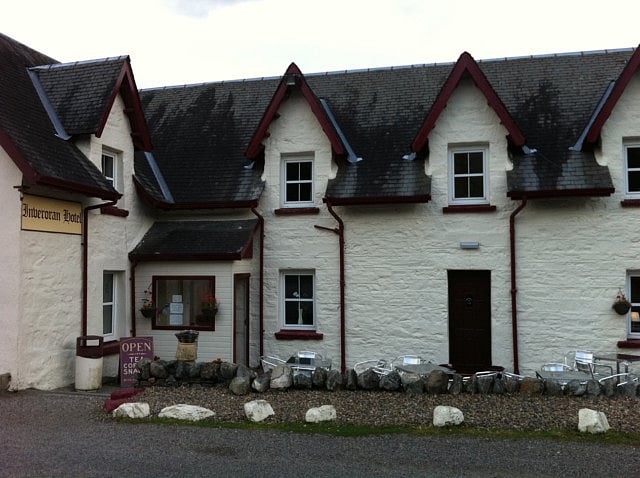
I don’t have much to tell you about Scotland, really. It’s true, they have beverages, and kilts, and some people speak with an accent so thick that you wonder whether you’re hearing English or Gaelic. All of that’s fun. But I’m just here to tell you about the walks I took.
If you’ve heard anything about the weather in Scotland, you’ve heard the word “wet”. Or perhaps “boggy”. Or “ever-changing”. These conditions make even more impressive the large collection of well-known footpaths that are the best way to explore the stunning countryside.
The most famous one is the West Highland Way, a 150km trail from the outskirts of Glasgow into the remote and moody Highlands. It ends shortly past the foot of the highest mountain in the UK, Ben Nevis, which can be walked up and down as a day hike, if you’re fit. Near the summit, I saw small children and dogs.
The Way was my appetiser for more walks to come. I did its northern half, skipping the lowland part of the hike and heading straight into the landscape so heart-skippingly shown in the James Bond movie Skyfall. It’s easy — there are hotels or hostels at every stage, and even baggage transport service.
The most useful tool for planning walks in Scotland is the popular website WalkHighlands.com. The site breaks down dozens of trails, with frank talk about muddy or risky conditions. It also links to that other essential tool, Ordnance Survey topographical maps.
And then there are the photos. WalkHighlands does what other trail guides don’t: It shows what the scenery looks like at several different stages of each walk. Before leaving for Scotland, I spent hours clicking through trails and shopping for landscapes.
That’s how I came across the path to a place called Rhenigidale.
It looked like a modest walk, just about 8km long, but the details that emerged made it more and more intriguing. It seemed the tiny seaside village in the string of islands called the Outer Hebrides had a hostel, one that didn’t take advance bookings but rarely would turn anyone away, especially if they arrived on foot.
It seemed so remote, somehow so unlikely, that I e-mailed to make sure. The reply was prompt. “The hostel door is never closed,” Peter Clarke, the chair of something called the Gatliff Hebridean Hostels Trust, replied. “You may put your overnight fees in cash, or by cheque, in the honesty box. If it is not in the hostel, the warden usually visits in the morning and early evening.”
To this triple-locked Manhattan resident, it had the whiff of a fairy tale.
The next sign that I might be on to something came in an article by British author Robert Macfarlane, who has written movingly about nature and exploring it on foot. He called the winding old postman’s path to Rhenigidale, its only land route to the outside world until a road was completed in 1989, “one of the most beautiful paths I know”.
And once in Scotland, after finishing the West Highland Way and happily making day hikes around the Isle of Skye, I found that speaking of Rhenigidale could have a profound effect. One especially excited bus driver nearly ran off the road. A hostel manager beamed and confided, “No tourist has mentioned that for months!”
There’s something satisfying in taking a vacation and actually getting away from it all. As my ferry left Skye for the Outer Hebrides, it was decided: No internet. No phone, even if it had signal. After the ferry docked in the village of Tarbert, I bought simple provisions at a small grocery — oats, tea, lentils — because Rhenigidale has no shops, just a handful of homes. And the next day, Sunday, everything on the island would be closed, except the churches.
The path soon split from the paved road out of Tarbert and climbed into the low, stony hills. It eventually topped a rise, and there was the sea, which the track began to follow. There were ruined stone houses, the snuffling of porpoises, rabbits skittering out of sight. It’s a lovely place to watch for the aurora borealis, and the stars.
In my two days at the hostel, no one appeared but the friendly warden, Kate Langley, who lives with her husband and small children across the road. She knelt in the cosy sitting room of faded maps and old cushioned chairs and lit the coal stove. On a little radio, BBC Scotland played bagpipe music and folk songs.
I almost wished for a pipe and slippers. I spent a startling amount of time just standing outside with a mug of tea.
The modest Gatliff Hebridean Hostels Trust also runs two other rustic hostels in stellar locations for those who wander through the islands, many of them by bike in the bracing winds. Some say the repurposed farmhouse on the small island of Berneray is the best, with its front doors and outdoor benches just a few steps from the sea. But there’s no pilgrimage-like approach, since the public bus service stops a couple minutes’ walk away.
The third hostel, on the island of South Uist, is next to a ruined churchyard and a short walk from the Atlantic, past rich stretches of colourful machair, or shell-sand and wildflowers. The hostels make excellent bases for walks on sprawling white-sand beaches and climbs of the nearby hills. In the summer tourist season, the islands bloom with galleries, B&Bs and local seafood.
While the Gatliff hostels don’t have the perks of more traditional getaways, notably laundry or the drying rooms that many places have for wet gear, each has the essentials — full kitchens, heat, electricity, hot water. That’s in addition to simplicity, a sense of place and stunning, changing skies.
“Three weeks ... in Scotland?” more than one person had asked, with a touch of doubt. Absolutely.
IF YOU GO
WALKHIGHLANDS: http://www.walkhighlands.co.uk/
GATLIFF HEBRIDEAN HOSTELS TRUST: http://www.gatliff.org.uk/
WEST HIGHLAND WAY: http://www.west-highland-way.co.uk/
Sign up for the Daily Briefing
Get the latest news and updates straight to your inbox
Network Links
GN StoreDownload our app
© Al Nisr Publishing LLC 2026. All rights reserved.