Beyond the kimchi cliché
Korean cuisine offers a blend of flavours and textures that pack a punch
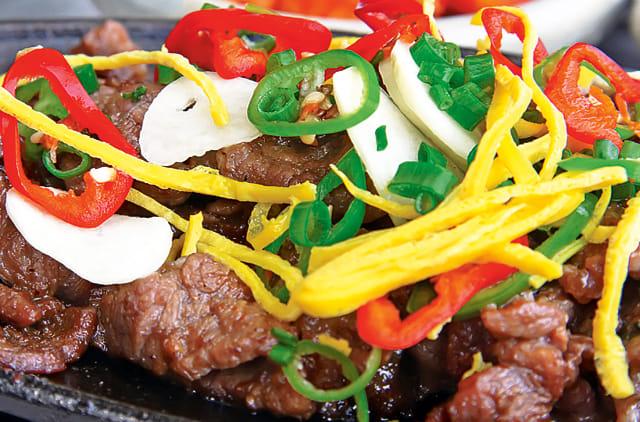
It is an outright shame that Korean food is limited in its exposure and restricted in its popularity when taken out of context or country. It is often slighted as ‘Asian food' and clubbed together with the more ubiquitous Chinese and Thai dishes. When the uninitiated think of Korean food, they think mostly of kimchi; when they decide to experiment, the array of dishes accompanying every meal can be daunting and overwhelming. The fiercely spicy nature of some dishes maligns its otherwise pristine personality. And then there is the small matter of dogs entering the fray.
But as a country where food is much more than what fills the stomach, Korea caters to a gourmet palate, provides medicinal cures and draws a historical connection to the past. Getting to know just the basics is enough to fall in love with its handsome and healthy cuisine.
Cultural centrepiece
As with many contemporaries, this cuisine may have its origins in ancient traditions but continues to evolve through environmental trends. But Korean culture stands out for its deep involvement with food, which permeates every aspect of life. At least one scene in every Korean movie is dedicated to eating, while there are entire dramas based on the preparation and consumption of food.
Korean cuisine is based on principles of balance, with solid and liquid, spicy and mild, hot and cold, working together to form the perfect meal. The key components are summarised as rice, noodles, tofu, vegetables, meats and seafoods.
Traditionally, food is served at a low table with floor seating, and eaten with steel chopsticks and a long steel spoon. Everything is cut into bite-sized pieces, and Koreans are so adept at using chopsticks that they can easily split a whole grilled fish with them, while meats are marinated or braised forso long that the tender flesh can be eaten without any struggle.
Korea's foods are marked by its deep, penetrating flavours, and this stems from the copious use of marinades like red pepper paste (gochujang), soy bean paste (doenjang), fish sauces, fruit juices, soy sauce and sesame oil. While most dishes can be cooked in minutes, further flavours are imparted through sauces or braising liquids. Ingredients and dishes differ by province, and while many regional dishes have become national, they also vary across the country.
One of the distinguishing features of a Korean meal is the banchan — a term that refers to anywhere between two and twelve side dishes presented in small bowls. In restaurants, banchan appears at the table just after an order is placed, and although it may seem like a series of isolated treats, the dishes are chosen carefully to enhance, complement and balance each other.
Kimchi is an integral part of the banchan. The staple side dish served at almost every Korean meal is undoubtedly an acquired taste, but it is also a lingering one, as new converts admit they quickly miss its pungent and tangy flavours.
Although the most popular version is prepared with cabbage, kimchi can include a variety of vegetables that are fermented in a brine of ginger, garlic, scallions and optionally, chilli. Besides its star role in the banchan, it is also cooked into soups and rice dishes.
The longest grain
Another popular banchan dish is the jeon — savoury pancakes made of vegetables or seafood in seasoned flour batter, and served with hot condiments and dips.
When rice was first introduced in Korea, it was prohibitively expensive, and had to be ‘stretched' with other grains. This practice lives on with dishes like bibimbap (mixed rice), boribap (rice with barley) and kongbap (rice with beans).
The bibimbap is en route to becoming as synonymous with Korean cooking as kimchi, after most airlines flying out of Seoul started serving it on board. The popular Jeonju version consists of lightly- fried vegetables and meats placed atop a bowl of hot rice, with a raw egg yolk, and garnished to taste with chilli paste, red dates, dried seaweed, sesame seeds and gingko nuts. This work of art is then stirred to create a dish that is simultaneously hot and cold, mild and spicy, and soft and crunchy.
Rice is also cooked into a porridge (juk), or gruel (mieum), while rice flour is used to make rice cakes called tteok, of which there are over 200 recorded types. Such is its importance that no Korean meal is complete without a bowl of hot rice, and it is considered rude to leave the rice unfinished.
Lingering delights
Meanwhile, soya beans are made into tofu or dubu, and seasoned heavily to serve as side dishes. Soy sprouts are sautéed as a vegetable dish, and soy milk forms the base for the noodle dish, kongguksu. Soy is also the primary ingredient for condiments known as jang.
Soups are a common part of Korean meals, and are served together with rice and banchan. While guks are made with meats, shellfish and vegetables, more dense versions known as tang or jjigae are served in lieu of the main course.
Most Korean grilled dishes are known as gui, and at traditional restaurants, the meats, seafood and vegetables are cooked at the table. The grilled items are eaten with rice, accompanied by thinly sliced garlic and various condiments.
A variation is the galbi (rib in Korean), which is marinated in soy sauce, garlic, sugar, sesame oil and hot chilli paste before it is grilled.
Another version is the bulgogi (globally known as fire meat), in which grilled sirloin or prime beef is wrapped in lettuce or sesame leaves.
Steamed dishes are known as jjim or seon, while raw dishes are known as hoe.
The Mayor of Seoul was largely responsible for the controversies that dogged Korean cuisine during the 2002 FIFA World Cup, when he announced that there would be no controls over the sale of canine meat during the event. While it is true that dog meat is eaten around the country, it is also true that a very large percentage of South Koreans neither eat nor enjoy the meat, in comparison to a smaller group that wants to promote the concept globally.
Given the hearty aftertaste of bibimbap and the rich aroma of bulgogi, it wouldn't be amiss at all to let sleeping dogs lie.
FIVE TO TRY: A taste of Korea
Han Kang
The Eclipse Boutique Suites,Al Markaziyah, Abu Dhabi
Tel: 02 626 8800
Mannaland Korean Restaurant
Near Capitol Hotel, Satwa, Dubai
Tel: 04 345 1300
Dae Jung Kum
Royal Ascot Hotel, Bur Dubai, Dubai.
Tel: 04 355 8500
Sumibiya
Radisson Blu Hotel, DubaiDeira Creek
Tel: 04 205 7333
Sonamu
Asiana Hotel, Deira, Dubai
Tel: 04 238 7777
Beyond the kimchi cliché
— I.S.
RECIPES
Creating a Korean meal
Dolsot Bibimbap
Ingredients:
130g beef, minced
250g sushi rice, boiled
100g sukiyaki sauce
½ tbsp gochujang (or 7-spice
powder)
½ carrot, julienned
½ courgette (zucchini) julienned
7g spinach
1 egg, fried
70g Chinese cabbage kimchi
70g bean sprouts
1 tbsp sesame oil
1 tbsp soya sauce
Method:
Cook the beef with sukiyaki sauce. Steam carrots and zucchini. Blanch spinach for 30 seconds then soak in cold water, squeeze dry. Marinate with sesame oil and soya sauce and add a pinch of 7 spices. Repeat the same procedure for the bean sprouts. In a hot stone bowl, put the sushi rice. Add the vegetables, top with minced beef, egg and gochugang.
Bokkeum Bap (Korean Fried Rice)
Ingredients:
100g of spam
600g of rice, cooked
½ carrot
½ courgette
1 mushroom
A pinch of salt
Method:
Begin by cutting all the vegetables and meat into small cubes. Put some oil in a pan and throw in all the vegetables and meat and allow to cook while seasoning with a pinch of salt. Once everything is cooked, add the rice to the pan. Fry for a further few minutes and then serve in a bowl. This dish can be stored in the freezer and reheated later for some home-made ready meals.
Kalbi (Barbeque Rib-Meat)
Ingredients:
300g rib meat, thinly sliced
25g chopped onion
25g chopped ginger
25g chopped red chilli
25g chopped garlic
200g yakiniku sauce
Method:
Marinate the rib meat overnight with the vegetables and yakiniku sauce. Grill individual pieces of the meat for 15 to 20 seconds.
Garnish with mixed vegetables.
Miso Ramen
Ingredients:
300ml beef stock
2 tbsp red miso
150g beef loin
1pc garlic
1pc red chilli
150g Chinese cabbage
1pkt Ramen noodles
50g bean sprouts
Spring onion, to garnish
Method:
Boil the noodles in hot water. Put the beef stock to boil then add the miso and noodles. Sauté the beef in garlic and chilli. Season with salt and pepper. Add the bean sprouts, cabbage and beef to the noodles, garnish and serve.
— Courtesy of Chef Takeyuki Nakagawa of Radisson Blu Hotel, Dubai Deira Creek
Sign up for the Daily Briefing
Get the latest news and updates straight to your inbox
Network Links
GN StoreDownload our app
© Al Nisr Publishing LLC 2026. All rights reserved.