What is Google’s Gemini Intelligence? How AI agents will control your Android phone
Google is shifting from assistant-style AI to autonomous agents that execute tasks
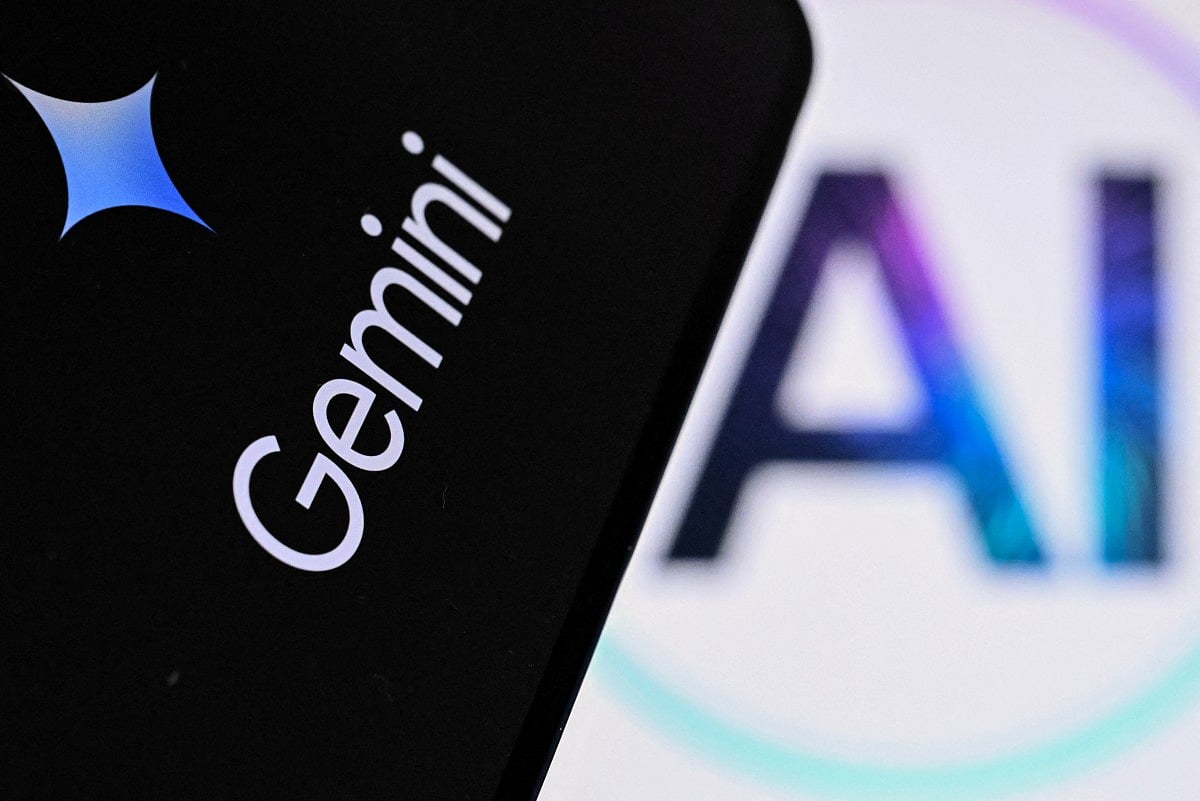
Soon, your phone is going to turn into something that thinks and acts for you.
Or so, it seems.
At The Android Show 2026 on Tuesday, May 12, Google unveiled Gemini Intelligence, an agentic AI layer designed to push Android far beyond the traditional assistant model. Instead of waiting for prompts, it can read what’s on your screen, move across apps, and complete multi-step tasks autonomously.
The announcement also served as a preview for Google I/O next week, where the company teased Android’s next major update. The showcase included AI-powered app automation, a smarter Chrome for Android, new creator tools, upgraded security features, and a refreshed Android Auto experience.
The direction is clear: Google is shifting from assistant-style AI to autonomous agents that execute tasks. As Sameer Samat, president of the Android Ecosystem at Google, said during the keynote, “We’re transforming Android from an operating system into an intelligence system. This means deeply understanding the context, anticipating your needs, and getting things done on your behalf.”
Get updated faster and for FREE: Download the Gulf News app now - simply click here.
So what does Gemini Intelligence actually do?
Gemini Intelligence is still something of a black box. Google didn’t detail how it was built or which exact large language models power it. What it did reveal, however, is that months of tuning went into making it capable of multi-step automation, tested across popular food delivery and ride-hailing apps on devices like the Galaxy S26 and Pixel 10.
So here's what it does: Instead of behaving like a traditional assistant that waits for commands, Gemini Intelligence can actively perform workflows across apps. That means it can:
Read what’s on your screen and understand context
Jump between apps automatically
Complete chained tasks like planning, shopping, and booking
Pause for your approval before sensitive actions like payments
Task automation like this will initially roll out to select Samsung Galaxy and Google Pixel devices this summer, before expanding later this year across more Android devices, including watches, cars, glasses, and laptops. Google also said wider app support is “soon” on the way.
Another shift is multimodality. Instead of copying and pasting between apps, users could, for example, long-press the power button on a grocery list in Notes, and Gemini will turn it directly into a delivery-ready shopping cart.
Google describes this shift as moving from 'chatbot-style help' to real task automation across Android apps.
New capabilities inside Gemini Intelligence
Alongside the core agent layer, Google introduced several features built on top of Gemini Intelligence:
Custom widgets: Users can describe what they want, and Gemini generates it. This could be a home screen dashboard of weekly high-protein meals or a cycling widget tracking only wind speed and rainfall.
Autofill: Gemini can pull relevant data from connected apps and complete form fields across Android and Chrome. Google emphasised that this feature is opt-in and can be disabled in settings.
Rambler: A speech-to-text tool that removes filler words, producing cleaner messages in real time. It supports multiple languages, including Hindi, and Google says audio is not stored.
The interface itself is also evolving, building on last year’s Material 3 Expressive design language. Google also stressed that safety guardrails remain in place, including requiring user confirmation before any transaction is completed.
Android as the distribution advantage
Google’s biggest strength is reach. By embedding Gemini Intelligence directly into Android, which powers over 97 per cent of smartphones in markets like India, the company is placing agentic AI directly where users already are.
And the strategy doesn’t stop at phones.
The ecosystem expansion
Android auto: Now rebuilt around Gemini, the platform, already in more than 250 million vehicles, is getting its biggest Maps update in a decade, along with AI-driven driving assistance capable of handling tasks like ordering dinner during a commute.
Automakers including BMW, Ford, Mercedes-Benz, Tata, and others are among the first to integrate the system.
Chrome for Android: The browser is evolving into an AI agent that not only summarises pages but can also research, compare information, and complete tasks such as booking appointments autonomously.
Network Links
GN StoreDownload our app
© Al Nisr Publishing LLC 2026. All rights reserved.