iPhone Duo 2 prototypes test Face ID as Crackgate and other complaints pile up
Apple left Face ID out of the Duo and put a Touch ID fingerprint reader instead
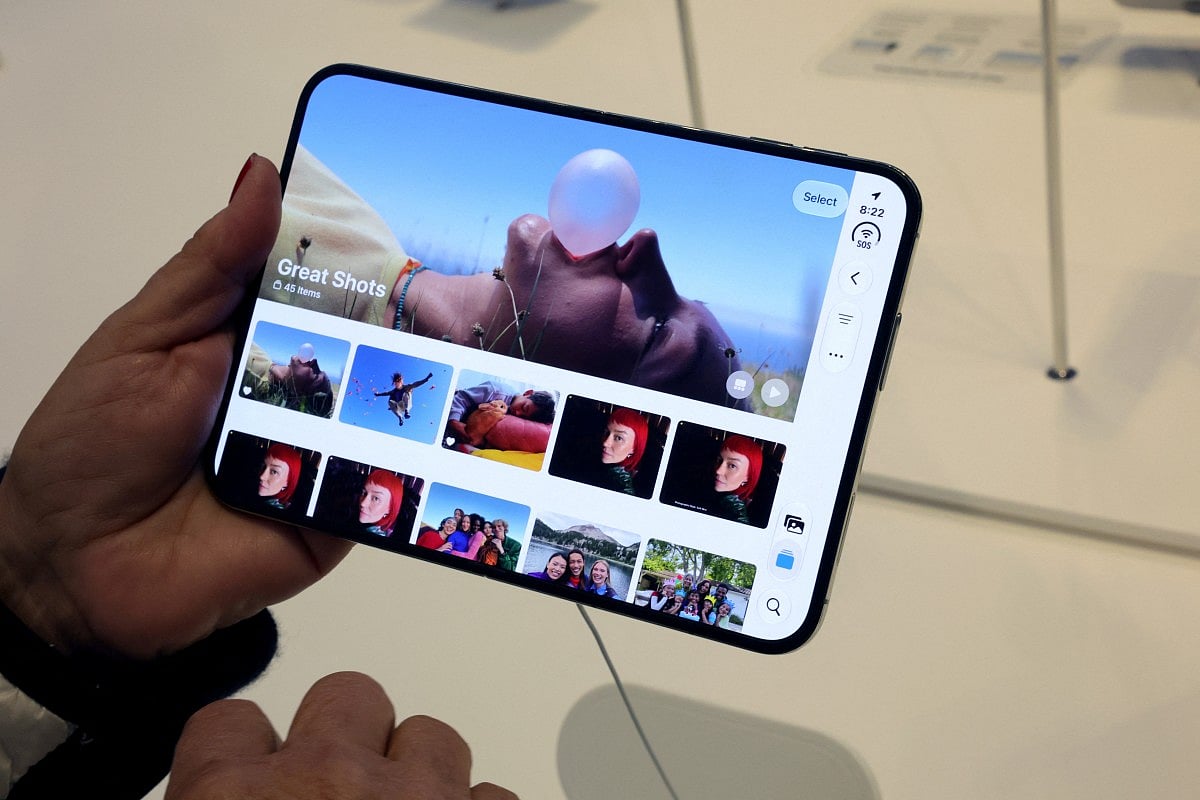
Apple’s first foldable iPhone, the iPhone Duo, went on sale on October 24, priced at Dh8499. Two days in, though, the conversation is steering away from what the phone gets right and more about what owners and reviewers want changed.
The complaints fall into three main areas: How the phone unlocks, what its camera system is missing, and, in a growing number of user reports, how well its screen holds up.
A fingerprint sensor that tests your patience
The biggest complaint is the unlock experience. Apple left Face ID out of the Duo and put a Touch ID fingerprint reader in the side button instead. In practice, the sensor has not always responded on the first try.
According to one iPhone Duo review, by PCMag, unlocking the phone sometimes took several attempts. The reviewer also noted that the button’s position on the right edge makes it harder to reach for left-handed people.
Those problems didn’t change his overall view much. He gave the foldable 4.5 stars and wrote that it offers “the best hardware, performance, and battery life of any foldable phone on the market.” For a phone in this price range, however, an unlock method that sometimes needs a second or third try is the kind of everyday irritation buyers will notice.
‘Crackgate’ adds a durability question
A newer problem is less about convenience and more about reliability. Some iPhone Duo owners are reporting cracks in their screens, and users have started calling it “Crackgate.”
Durability has been a concern for foldables since the category began, because the hinge and flexible display face stresses a slab phone never encounters. Apple has not yet explained what is behind the reports. Until it does, many buyers will treat these reports as a reason to wait, especially at this price.
Apple is already testing Face ID for the sequel
The unlock issue may only affect first-generation owners. As PCMag reported, Bloomberg’s Mark Gurman said on the latest episode of his Power On podcast that Apple is already testing iPhone Duo prototypes with Face ID built under the outer display.
“I’m told there are iPhone Duo 2 prototypes at Apple already that have an under-display Face ID sensor and camera on the outside screen, so that is something we could see,” Gurman said. He expects the switch from Touch ID to Face ID to happen within the next one or two models, which would put it roughly two to three years out.
Apple hasn’t explained why it chose a fingerprint reader for its most expensive iPhone yet. The likeliest explanation is space. Face ID depends on the TrueDepth camera system, which uses several components to map a face in 3D. Fitting those into a phone body only 5.2 mm thick would be very difficult. Moving the sensors underneath the display would address that, which helps explain why Apple is working on that approach.
A telephoto lens and a bigger screen may also come later
Reviewers have also pointed to the lack of a telephoto camera, a feature standard on Apple’s Pro iPhones. According to Gurman, Apple is considering adding one, but has no clear timeline. “That’s on their list. I don’t know when that’s coming, but that’s going to be hard to do,” he said. As with Face ID, the challenge is space: a zoom lens needs depth that a very thin phone has trouble providing.
Future models might also get a larger main display. The current Duo unfolds into a 7.6-inch screen, and Gurman says later models could grow it to between 8.5 and 9 inches. That would move the Duo closer to the size of a small tablet.
The comparison with the iPhone 18 Pro, which launched alongside the Duo, makes these gaps clearer. The Duo has two cameras, a 48MP Fusion main camera and a 48MP Fusion ultra wide, instead of the 18 Pro’s three-camera system. The 18 Pro adds a 48MP telephoto lens with 4x optical zoom, and that lens can crop its sensor to produce 12MP “optical quality” shots at 8x. The Duo tops out at what Apple calls “optical-quality” 2x zoom, taken from the main camera. It also lacks the variable aperture on the 18 Pro’s main camera, one of that phone’s headline features. The 18 Pro also has second-generation sensor-shift stabilization, while the Duo uses the older version, and the Duo’s 12MP front camera is a step down from the 18MP Center Stage camera on the 18 Pro.
Buy now or wait?
For early adopters, the Duo is still the strongest foldable available. But people considering it should weigh an inconsistent unlock experience, unresolved screen-crack reports, and a camera system missing a telephoto lens. Apple is already working on several of these issues, so buyers who can wait for the second or third generation may get a more polished phone.
Network Links
GN StoreDownload our app
© Al Nisr Publishing LLC 2026. All rights reserved.