Police stand guard during an operation that keeps retained buses transporting students from Ayotzinapa who try to enter the city and join the protests of teachers and relatives of missing people ahead of the start of the 2026 FIFA World Cup, on the outskirts of Mexico City, on June 10, 2026.
World Cup 2026 opening day controversies: Protests, ticket-price outrage and fan-zone chaos
Anger over soaring prices and chaotic fan zones taints World Cup curtain-raiser
Last updated:
3 MIN READ
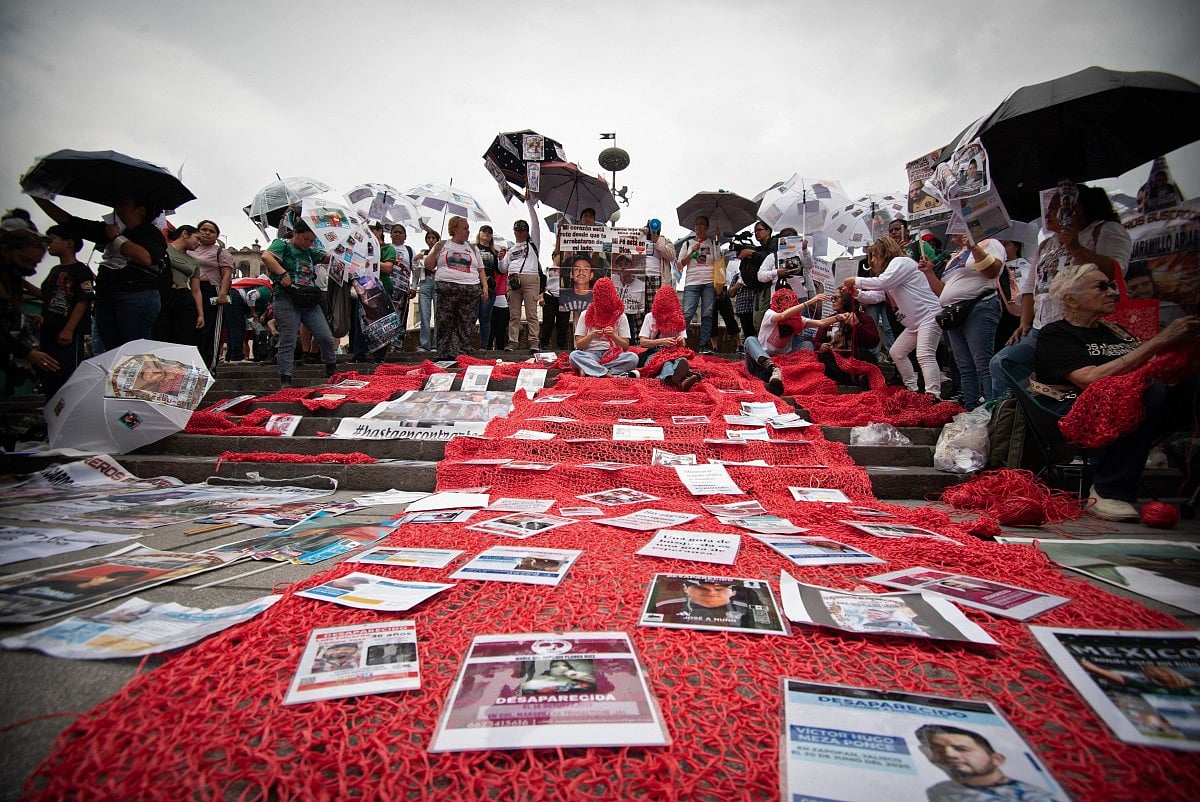
Relatives of missing persons and members of search collectives protest during the opening of the FIFA World Cup 2026 in downtown Guadalajara, Jalisco state, Mexico, on June 11, 2026.
AFP-RUTH ROSAS
The FIFA World Cup 2026 may have kicked off with fireworks, Shakira, Burna Boy and a packed Estadio Azteca, but outside the stadium, not everyone was in a celebratory mood.
While fans sang, danced and waved Mexican flags, protests, ticket-price outrage and political tensions threatened to overshadow football's biggest party.
Here are the biggest controversies surrounding the World Cup's opening day in Mexico City, gleaned from Reuters.
1. Teachers used the World Cup spotlight to protest
Thousands of teachers marched through Mexico City on the opening day of the tournament, demanding better salaries and changes to pension laws.
Many travelled from different parts of Mexico, setting up camps near the city's historic centre and staging demonstrations that coincided with the tournament opener.
For protesters, the World Cup wasn't just about football, it was an opportunity to attract global attention to their grievances.
2. Fan zones nearly became a battleground
The atmosphere at Mexico City's giant fan zone in Zocalo Square wasn't entirely festive.
Authorities erected barriers around the area amid fears that ongoing demonstrations could disrupt public screenings of the opening match.
Mexican fans celebrate Mexico's second goal against South Africa in the opening match of the 2026 World Cup football tournament at the FIFA Fan Zone in Houston, Texas, on June 11, 2026.
Crowd-control issues also emerged as thousands rushed to enter the fan zone.
Local officials struggled to manage access before organisers eventually announced that the venue had reached full capacity with more than 50,000 people inside.
For a while, fans weren't sure whether the celebrations would go ahead as planned.
3. Stadium tickets sparked outrage
One of the loudest complaints ahead of kickoff had nothing to do with football.
Many local fans were furious over ticket prices, arguing that ordinary Mexicans had effectively been priced out of watching their national team play on home soil.
Some supporters told reporters they had paid more than $3,000 for tickets to the opening match, a figure that sparked criticism of FIFA and accusations that the governing body was prioritising profits over accessibility.
While FIFA defended its pricing strategy, many fans remained unconvinced.
4. Critics accused officials of giving the city a 'World Cup makeover'
In the months leading up to the tournament, Mexico City underwent significant upgrades, including infrastructure improvements, stadium renovations and beautification projects.
But not everyone welcomed the changes.
Some residents complained that authorities were focused on making the city look attractive for tourists and television audiences while failing to address deeper issues affecting local communities.
The contrast was difficult to ignore: newly painted public spaces and upgraded facilities stood alongside protest camps and frustrated residents.
5. Missing persons activists demanded to be heard
Teachers weren't the only group using the World Cup platform to make a statement.
Families searching for loved ones who disappeared during Mexico's long-running drug-war violence also organised demonstrations in the capital.
Activists hoped the influx of international media would draw attention to issues they say have been overlooked for years.
Their protests served as a reminder that while the World Cup brings celebration and global attention, it can also shine a light on unresolved social and political challenges.
The party went on anyway
Inside Estadio Azteca, it was a very different story.
Shakira and Burna Boy performed the official World Cup anthem, Salma Hayek welcomed the world, and fans created a sea of green as Mexico kicked off its campaign.
For millions watching around the globe, it was a dazzling start to football's biggest tournament.
But outside the stadium walls, opening day revealed a more complicated reality — one where football, politics, protest and passion collided on the world's biggest sporting stage.
Network Links
GN StoreAbout Gulf NewsTerms & ConditionsReach by GNSitemapContact usPrivacy PolicyGN FocusHave your sayWork with usAdvertise with usGulf News epaperPrinting Services
Download our app
© Al Nisr Publishing LLC 2026. All rights reserved.