Why Brazil need to bring back Jogo Bonito after yet another early exit
The Selecao have moved away from all-out attack to a more pragmatic approach
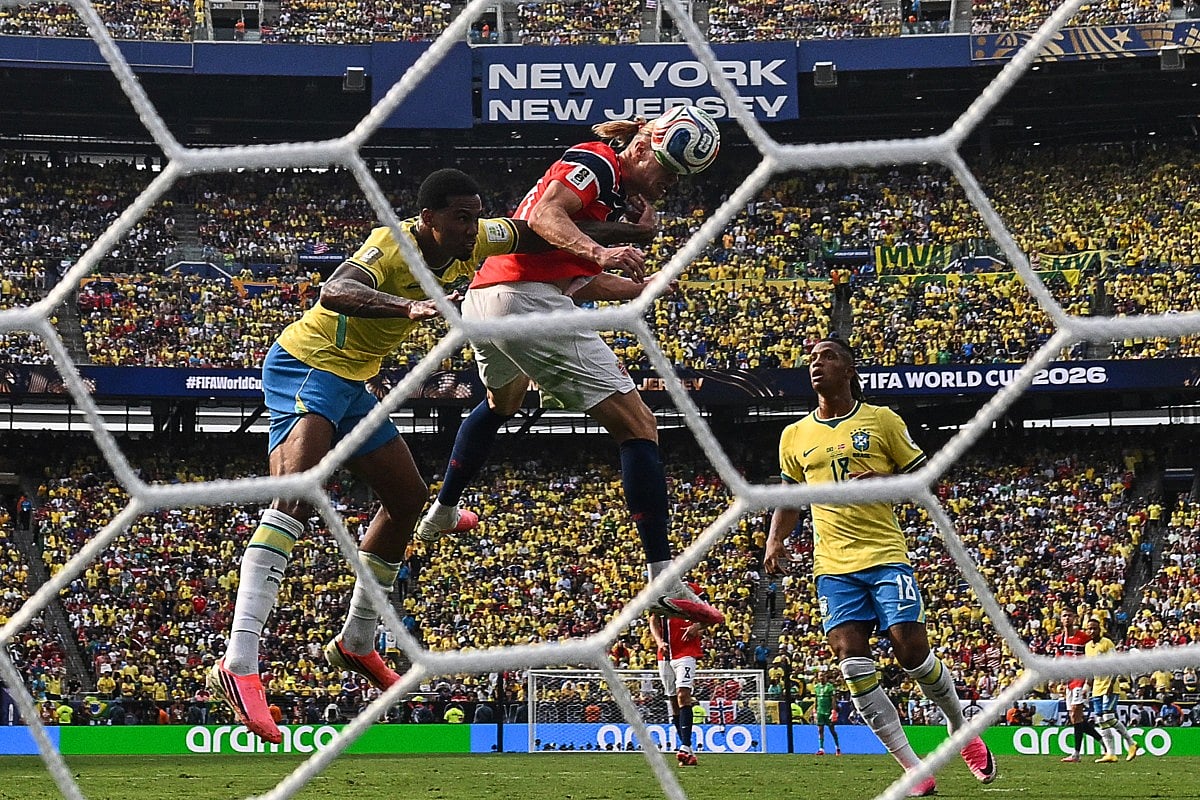
It was mission impossible, even before a ball had been kicked at this year’s Fifa World Cup. No foreign coach had ever led his side to the title in the tournament’s 96-year history and unsurprisingly, Brazil’s Italian coach Carlo Ancelotti failed in his mission to end the Selecao’s World Cup woes that have been haunting them since 2002.
For those who have grown up watching Brazilian fans dance to the Samba beat as their galaxy of stars epitomized Jogo Bonito (the beautiful game) on the pitch, this seemed a Brazilian side bereft of their identity.
Who can forget the 1982 team that was eliminated in the second round, despite featuring artists like Zico, Socrates, Falcao, Junior and Eder? One still remembers their fluid style of play characterized by delightful passing, spectacular long-range goals and unmatched flair while choosing entertainment and attack over defensive structure.
Then there was the 2002 World Cup-winning side under Luiz Felipe Scolari, featuring the brilliant attacking trio of Ronaldo, Rivaldo and Ronaldinho, the three Rs. They went a perfect 7-0-0 throughout the tournament, with Ronaldo winning the Golden Boot with 8 goals, including both in the 2-0 win against Germany in the final.
This current side under Ancelotti seemed a pale shadow and nowhere as exciting to watch. Barring Vinicius Jr’s magical skills – cue that flick with his right outstep that almost went in against Japan or that delightful through pass to Endrick against Norway that the youngster failed to convert – it has been a tale of poor pullbacks, a lackluster midfield, inconsistent attackers and an overly defensive approach.
While Brazil’s 7-1 defeat to Germany in their home World Cup in 2014 may have played a role in waking up their passionate fans to the idea of a footballing giant in decline, the signs were already there even prior to that. The 2006 side under Carlos Alberto Parreira lost to France in the quarters, with many arguing that the shift away from their traditional joyful style towards pragmatism stifled a side that still had in their ranks Ronaldinho, Ronaldo, Kaka and Roberto Carlos.
In 2010, they fell again in the quarters, this time to the Netherlands. The three Rs were past their prime and not in the reckoning anymore and Dunga’s new-look side were never really convincing. The trend of quarter-final defeats was renewed at the 2018 World Cup in Russia, where they were eliminated by Belgium. At Qatar too, the quarter-final jinx continued with defeat to Croatia, that side a far-cry from the glory days of Brazilian football.
The Selecao were truly in a dire state after that setback.
Coach Tite departed, and Fernando Diniz took over for the start of qualifying for this World Cup, but lasted just six games.
In came Dorival Junior, but the veteran oversaw a quarter-final exit at the 2024 Copa America before being dismissed in March last year.
Ancelotti saw Brazil over the line, although they finished fifth in the 10-team South American qualifying group, 10 points behind first-placed Argentina.
The hope, expectation even, was that they would still compete strongly.
Instead they continued a now long-standing trend – since last winning the World Cup in 2002, they have lost every time they have faced European opposition in the knockout stages.
Sunday's defeat is a clear indicator that they are going backwards. Ancelotti may have been realistic enough to know winning this year's World Cup was a big ask, but going out so soon is an enormous disappointment.
Despite that, he insisted he would stay.
"A defeat is the start of a new adventure. Now we need to keep working hard and keep improving," he said.
"This is football. This is sport. You just have to deal with it. We will use this as fuel going forward."
This was an ageing squad, with 10 players in their thirties. "We need fresh talent, top-class players who can play in the national team of the future," added Ancelotti.
Brazil’s highest goalscorer, Neymar Jr. bid a tearful goodbye after scoring from the penalty spot. Maybe, the time has really come to start afresh, bring in new talent, as Ancelotti said.
Whether he is the right man to bring about the revival is another matter altogether.

Sign up for the Daily Briefing
Get the latest news and updates straight to your inbox
Network Links
GN StoreDownload our app
© Al Nisr Publishing LLC 2026. All rights reserved.