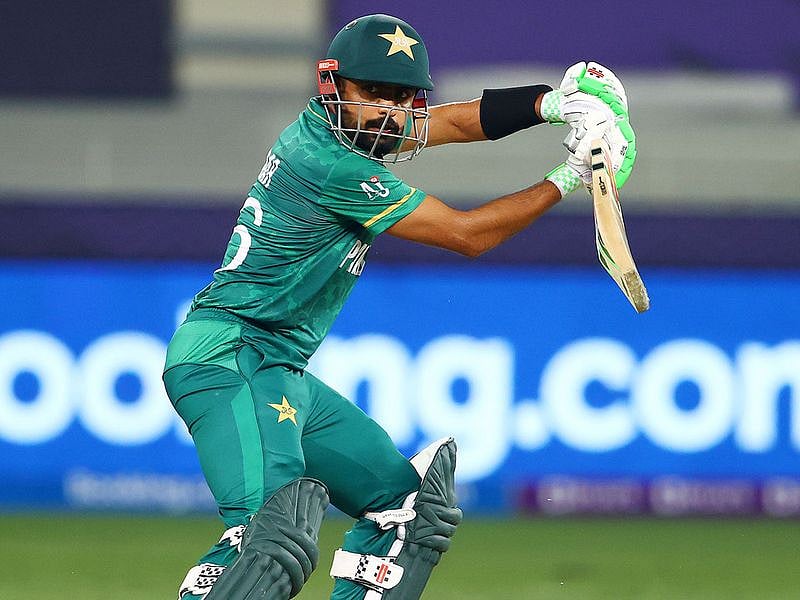
Pakistan’s decision to boycott their T20 World Cup Group A match against India has left The International Cricket Council (ICC) with a decision to make.
The 2009 winners were scheduled to face India on February 15th, following two prior group games against Netherlands (February 7th) and USA (February 10th).
However, the Pakistani government has blocked the team from playing India amid political tensions between the two countries.
The ICC were quick to respond with a statement which said the decision threatens the credibility of international cricket and may have lasting repercussions for the game. The organisation added that it has not been formally informed by the Pakistan Cricket Board (PCB) and called on them to rethink the move, citing its possible consequences.
If Pakistan refuse to rethink the decision to boycott their game against India, the ICC has authority to take action. That can include warnings, fines, loss of hosting rights, or even suspension from ICC events.
That said, an outright ban from the T20 World Cup would be a last resort. The ICC usually tries hard to avoid that because it hurts the tournament commercially and competitively, punishes players and fans more than administrators, and these disputes are often resolved via neutral venues, schedule tweaks, or behind-the-scenes negotiations.
Historically, when teams have refused to tour or play certain countries, the ICC has pressured boards to comply, looked for, and avoided bans unless there’s a clear breach of ICC rules or refusal to participate altogether.
This won’t be a first for the ICC as countries have refused to play World Cup matches before. In the 2007 Cricket World Cup, India refused to play Pakistan in the Super 8 stage due to political tensions and security concerns. The match was cancelled, and both teams were awarded no points, meaning neither side gained an advantage. The ICC did not impose bans but treated it as a forfeited match, reflecting a diplomatic and logistical failure rather than a disciplinary action.

Sign up for the Daily Briefing
Get the latest news and updates straight to your inbox
Network Links
GN StoreDownload our app
© Al Nisr Publishing LLC 2026. All rights reserved.