Philippines: 4 legislative reforms to watch out for
Filipinos battle corruption and dynasties: A self-defeating trap or a way out amid scams?
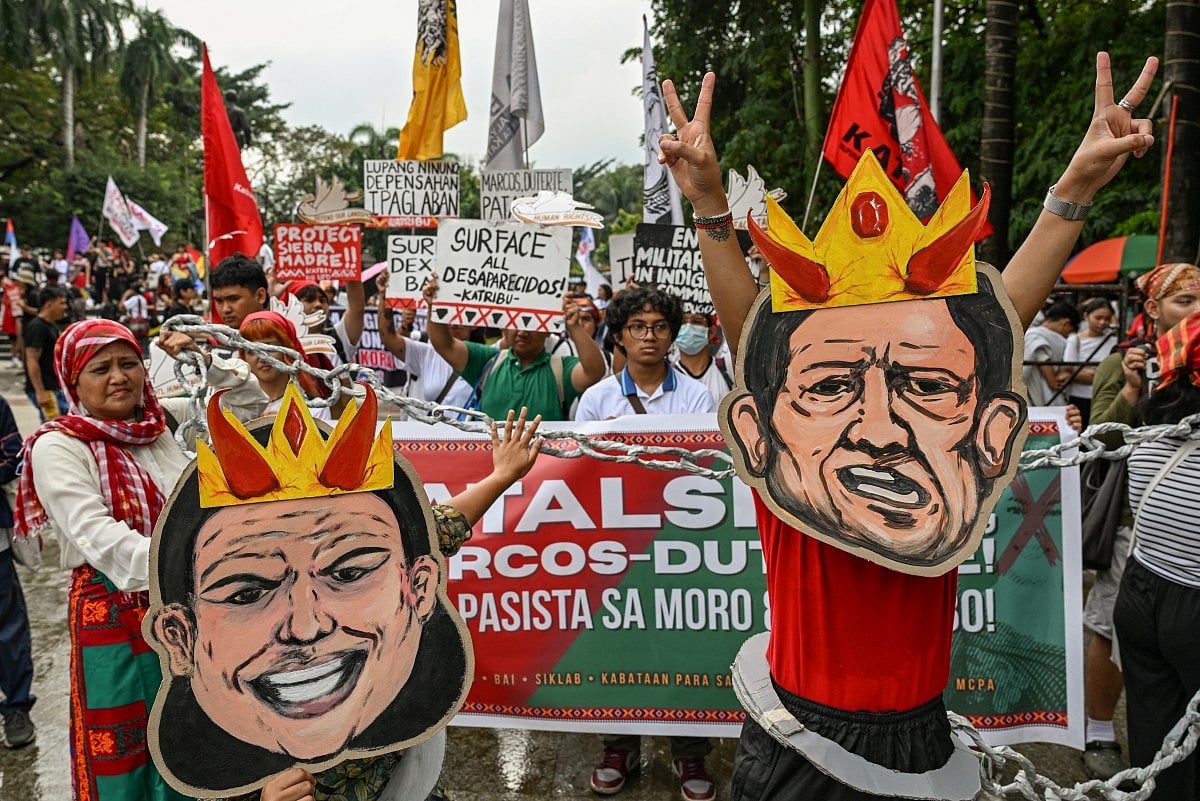
Manila: Filipinos confront a stark political paradox today: rampant corruption intertwined with entrenched political dynasties, forming a multi-headed monster that’s nearly impossible to slay.
Leaders trapped in their own web
The irony stings — the very leaders from President Ferdinand Marcos Jr. downward, including lawmakers tasked with enacting anti-dynasty laws, hail from powerful political clans themselves.
Congress remains dominated by family fiefdoms, where the same surnames cycle through power indefinitely, blocking reforms that threaten their grip.
Despite refiled Anti-Dynasty Bills like Senate Bill 2730, progress stalls as dynasts prioritise self-preservation over systemic change.
Vicious cycle of kickbacks and dole outs
Dynasties fuel their dominance through voter dole outs — free hospital rides, medicines, spaghetti feasts + fresh chicken + macaroni, “lemon infrastructure” or ghost projects, and cold cash handouts — sourced directly from massive kickbacks in public contracts.
With the dole outs and election-time cash, roads and bridges end up being lemons. Flood-control infrastructure become "ghosts", or another bundle of lemons.
Recent flood scams exposed trillions in siphoned pesos, with P16 billion already frozen from contractor-congressmen like Benguet Rep. Eric Yap, linking unfinished DPWH projects to luxury assets.
These illicit gains ensure electoral victories, perpetuating the cycle: corruption begets patronage, patronage begets power, power shields corruption.
Breaking the trillion-peso 'Hydra'
Emerging probes by the Ombudsman and Independent Commission for Infrastructure (ICI) target senators like Escudero, Villar, Villanueva and Estrada (and ex-senators like Binay, Revilla and Poe) revealing budget insertions, ghost projects, and kickbacks (aka tongpats) amounting to billions.
Will Filipinos sever the hydra's heads, or will dynasties regenerate stronger?
Four reforms
Following are the 4 key legislative reforms being pushed
#1. The Anti-Dynasty Bill
Senate Bill 2730 by Sen. Robin Padilla bans relatives up to the fourth degree from simultaneous or immediate succession in public office, targeting clans dominating Congress. There are at least two versions in the House of Representatives: Speaker Bodjie Dy and Majority Sandro Marcos refiled versions to level electoral fields.
The 1987 Constitution expressly bans political dynasties, but an enabling law has been in the backburner for nearly 40 years.
“The biggest problem of our system is political dynasties and warlords… and this is directly related to corruption,” said political pundit Ronald Llamas, chair at Gallahad Consulting and founder of Akbayan Party-list.
“Fast forward to the present, we have an unprecedented situation where corruption is not only in the hundreds of millions, or billions, but in the trillions. The outrage is also unprecedented. It’s clear that corruption is linked to dynasties,” he added.
“Because of this,” he added, “the (Marcos) government itself is facing an existential threat. If it positions against corruption, it must also position itself against dynasties. It’s now a matter of political survival. You cannot just fight corruption via ICI, Ombudsman and Blue Ribbon Committee, without rolling out an enabling law prohibiting dynasties.”
But with the anti-dynasty bill currently under deliberation, “The devil is the detail,” said Llamas.
#2. IPC Act
Independent People’s Commission Act (Senate Bill 1215 by Sen. Francis Pangilinan; Senate Bill 2 by Senate President Tito Sotto) institutionalises the ICI as a permanent, non-partisan body to probe infrastructure anomalies like flood projects, with fiscal autonomy and public reports. Marcos certified it urgent post-SONA exposures.
Given the web of corruption exposed in livestreamed Senate hearings, there's a strong clamour for the legislation creating this independent body.
#3. Party-list System Reform Act
This bill was filed by Sen. Bam Aquino which tightens nominee rules, disqualifying relatives of officials or government contractors to ensure genuine marginalised representation. Example: now-fugitive ex-Congressman Zaly Co, of AKO Bicol Party-List, was the co-founder of Sunwest, a congressman-contractor seen behind numerous ghost projects. There more than 50 “congtractors”, i.e. government contractors who are also members of Congress. At least 8 of them are facing court cases.
#4. Digital disclosure, CADENA Act
Senate Bill No. 1506, the Citizens Access and Disclosure of Expenditures for National Accountability (CADENA) Act, establishes a digital budget portal for real-time public access to government financial data, enhancing transparency and curbing corruption. The Senate approved SB 1506 on December 10, 2025.
It mandates a centralised digital portal, or a unified online platform displaying budget data on planning, legislation, procurement, execution, and fund management, accessible to citizens, AI tools, and investors, as per Busienss World.
The bill, once enacted into law, requires public officials to submit complete, accurate information within strict timelines (e.g., 7 days), with no blank fields, ensuring data quality and traceability.
The mandate for tech integration evolves from "Blockchain the Budget" to adaptive digital ledger systems for tamper-proof tracking, enabling COA-flagged discrepancies and AI analysis for fraud detection.
Reforms
While deliberations are on-going, such legislative reforms are necessary to reform public trust in governance under the 1987 Constitution.
The promise of blockchain transparency for expenditures, and reforming the Party-list system, alongside the Independent People’s Commission (IPC) Act aim to dismantle dynastic holdouts.
Yet, with trillions at stake, true change demands citizen vigilance beyond elections — crowdsourced evidence now arms the fight.
It remains to be seen whether these priority bills, once enacted into laws, would have enough muscle to root out the long-standing corruption culture in the Asian country.
Sign up for the Daily Briefing
Get the latest news and updates straight to your inbox
Network Links
GN StoreDownload our app
© Al Nisr Publishing LLC 2026. All rights reserved.