A short video of a teacher in class pops up on my TikTok feed. Centred in the horizontal frame, with a whiteboard behind her, she answers students’ questions, corrects their mistakes and explains basic English grammar. She is funny and charismatic, and she responds playfully to her class of probably primary school pupils, who seem more interested in her than in what she teaches. Over the following weeks, her videos pop up more frequently. They are more edited scenes from her class: teaching, games, activities and mini-interviews with students. I swipe left and look at her profile. She is by no means an unknown teacher; her account has 2 million followers, which puts her in the category of mega-influencers.
This level of appeal strikes me as odd because teaching is not a glamorous endeavour. But the phenomenon is real, and her example serves as a testament to the possibility of making it big. This possibility hovers over all of us ordinary professionals across the spectrum of occupations that we call white- and blue-collar, who post scenes from their working lives. Does that mean that online visibility is a de facto requirement of a modern CV?
I am not convinced that this is the case. For most people, such success is not realistically attainable, and furthering a career may not even be their motivation. A deeper change has taken place, one that speaks to what our societies recognise as a life worth living: a life that is made visible to others. What we do for a living is a defining part of who we are and how we live, and this is why it can dominate our online self-presentation.
Expressing oneself
Not every professional who begins to systematically document and share their working day does so with the intention of monetising it or getting brand deals. A recent study shows that while such professional reasons might be present, people also want to express themselves in a distinctive way and contribute something that they think is valuable to others.
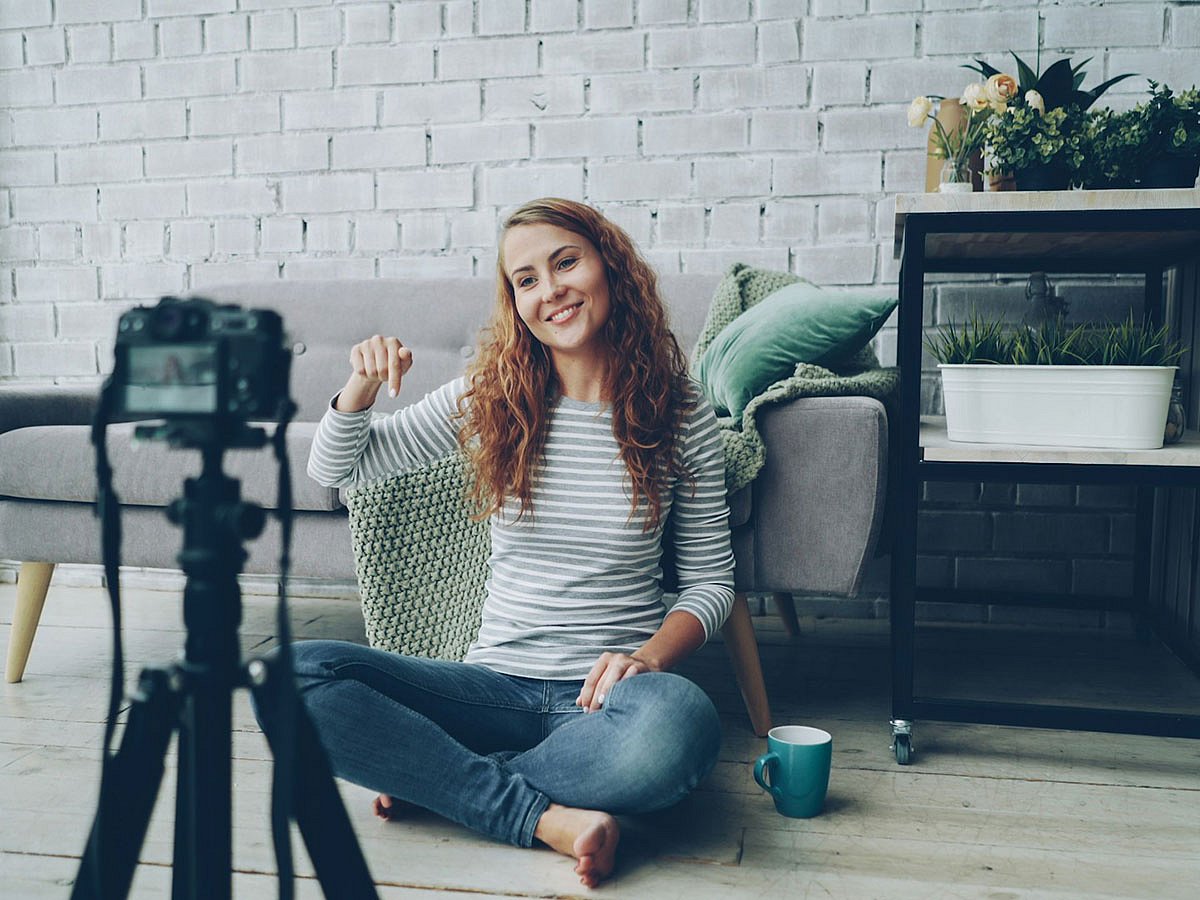
So the shift is not merely related to career gains but speaks to a shift in our evaluations. Take the case of ‘day in the life’ videos. These are short TikTok and Instagram videos, typically compiled from edited scenes of someone’s day, sometimes timestamped and sometimes with voice commentary, documenting commutes, office work and meetings, gym sessions, coffees and lunches, beauty routines, apartment chores, and the occasional evenings at galleries or nights out in restaurants with beautiful interiors and photogenic dishes. The profession is the title that gathers this material together, but work is represented as a scene of the protagonist behind a laptop or sitting at an office desk, overwhelmed by its placement among the other scenes of modern urban life.
The genre is not confined to white-collar workers. For example, Careem and Talabat drivers in Dubai also post about their days. Their videos do not aim for the lifestyle polish of the office-worker montages, but they make a related claim: that this working day, and the person living it, is worth seeing.
Visibility as an aspirational norm
The desire to be seen is not new; visibility has long been an aspirational norm of modern life. Today, however, after two decades of social media, with the boundaries between the public and the private neither here nor there, the idea that public self-presentation is ordinary is well established. This does not mean that everyone turns into a public speaker or an online activist. This digital form of visibility is of a softer ilk, more about joining in and less about standing out, and ambiguous about its gains. Saying or doing something — anything, really — participating in an online trend, or just posing, accrues a form of value that may or may not be redeemed.
The point is not that everyone wants fame. It is that visibility increasingly enters into the terms by which a life is assessed, by oneself and by others. A life is not only meant to be secure, enjoyable or meaningful; it is also expected to be legible. It should produce scenes that signify activity, taste, relationships and purpose. In this sense, this newly ordinary form of visibility has become a criterion of the good life.
Being visible requires disciplined effort in staging, capturing and curating a life, and that is also appreciated as indicative of good living. ‘Building a strong LinkedIn profile is like hitting the gym or drinking more water. You know you should do it, but forming habits that are right for you isn’t easy’, the Wall Street Journal says. Online visibility, then, is not just a value that others appreciate and for which we strive. It has to be practised daily so that it is acquired as a virtue.
If the visibility norm is dominant, it is also resisted. People talk about their digital detoxes, their deletion of social media and their new dumbphones. At times, the refusal is so public that it simply reinforces the visibility it resists. And yet, it is the summers off the grid that keep many of us going through the grind.
Dr Vaios Papanagnou is MA Program Director, Mohammed bin Rashid School for Communication, American University in Dubai
Sign up for the Daily Briefing
Get the latest news and updates straight to your inbox
Network Links
GN StoreDownload our app
© Al Nisr Publishing LLC 2026. All rights reserved.