The silent victims of war: When pets are left behind
Complex rules and urgent escapes force heartbreaking separations worldwide
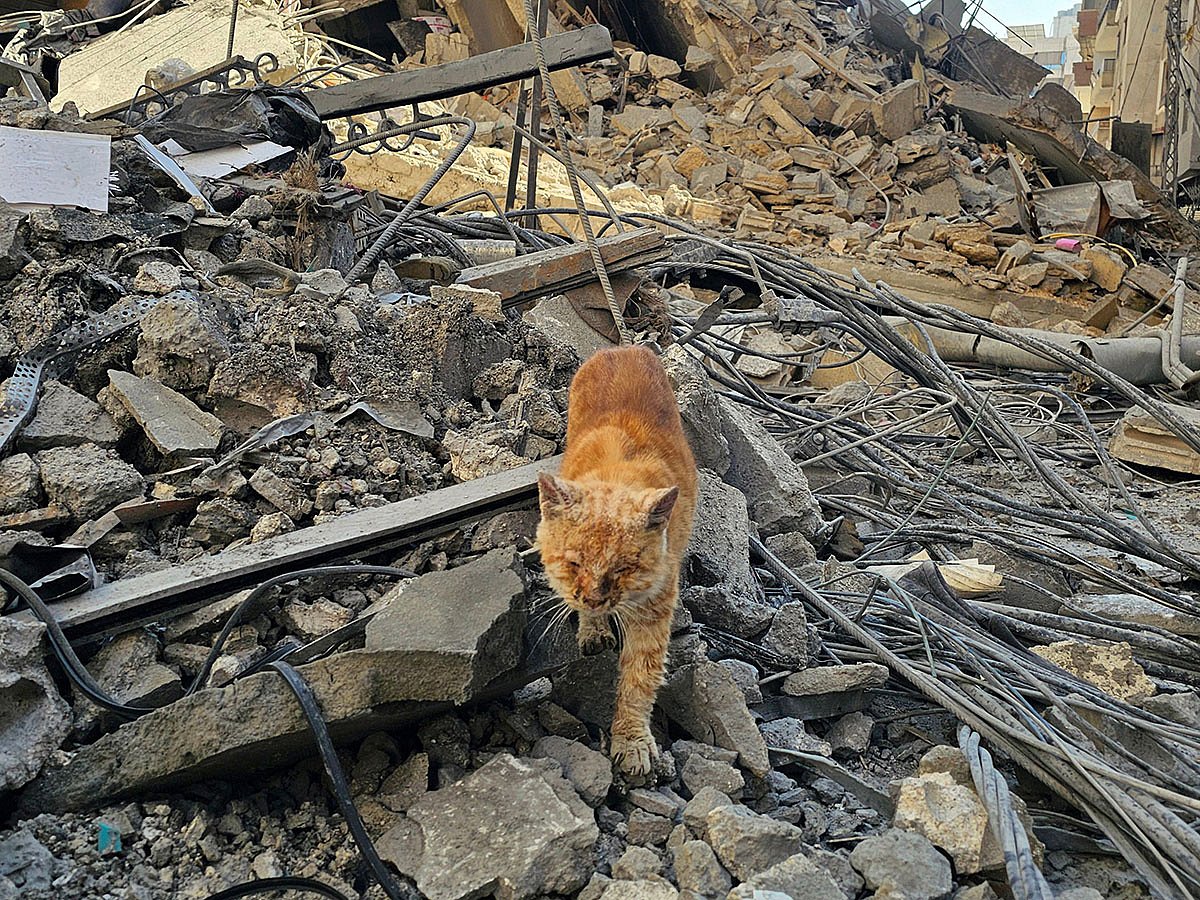
When war forces people to flee their homes, the world rightly focuses on human suffering. Evacuation flights, border crossings, and displaced families dominate the headlines. Yet amid this chaos, another tragedy unfolds quietly and painfully: pets are being abandoned.
These loyal companions, who once shared homes and affection with their owners, are suddenly left alone to face fear, hunger and uncertainty. For these animals, their human family is their entire world, and suddenly that world disappears.
Pets are living beings who feel attachment, loyalty and trust. They share our homes, our routines and often become an inseparable part of our families.
A dog waiting outside a locked door does not understand evacuation orders or border policies. A cat left inside a crate on a roadside does not understand geopolitical conflicts. A pet may not understand war, but it understands when the family it loves disappears.
Complex documentation
One of the reasons often cited by owners is the complex documentation required to relocate animals internationally. Transporting pets across borders usually requires microchipping, vaccination records, veterinary health certificates, blood tests and import permits from the destination country. Therefore it is important to familiarise oneself with the process early, even if one is not in a state of emergency.
Dubai initiative
Encouragingly, there are also examples of compassion and proactive efforts. In Dubai, authorities have launched a new initiative to support stray and abandoned animals across the emirate. Dubai Municipality has introduced AI-powered “Ehsan Stations”, with plans to install 12 smart feeding stations at key locations throughout the city. This initiative, the first of its kind in the region, aims to ensure that stray animals have access to food while also promoting responsible and humane care within the community.
Alongside these efforts, animal shelters, veterinarians and dedicated rescue volunteers continue to work tirelessly to rescue abandoned pets, providing them with food, medical care, shelter and temporary homes. Their commitment reflects a powerful reminder that compassion and humanity still prevail even in the most difficult times.
Flexible entry provisions
Countries receiving evacuees should also consider flexible entry provisions that allow people to bring their animals with them during emergencies rather than forcing separation. War already divides nations and separates families. It should not also separate animals from the only families they have ever known.
Animals cannot speak, yet they feel hunger, fear, loyalty and love. They breathe, they wait, and they suffer silently when abandoned. The way we treat these vulnerable companions during times of crisis reflects the depth of our humanity.
As the global community responds to humanitarian challenges, compassion must extend beyond human lives alone. Communities and individuals must work together to ensure that these innocent companions are not forgotten victims of conflict. Because the true measure of humanity is not only how we protect ourselves in times of crisis, but how we stand by the innocent lives that trusted us completely.
Dr Dipikka Kapoor is a hospitality consultant and animal welfare advocate
Sign up for the Daily Briefing
Get the latest news and updates straight to your inbox
Network Links
GN StoreDownload our app
© Al Nisr Publishing LLC 2026. All rights reserved.