The rise of weight-loss pills brings more choice — and new challenges
Oral GLP-1 medicines could improve access to treatment, but routine still matters
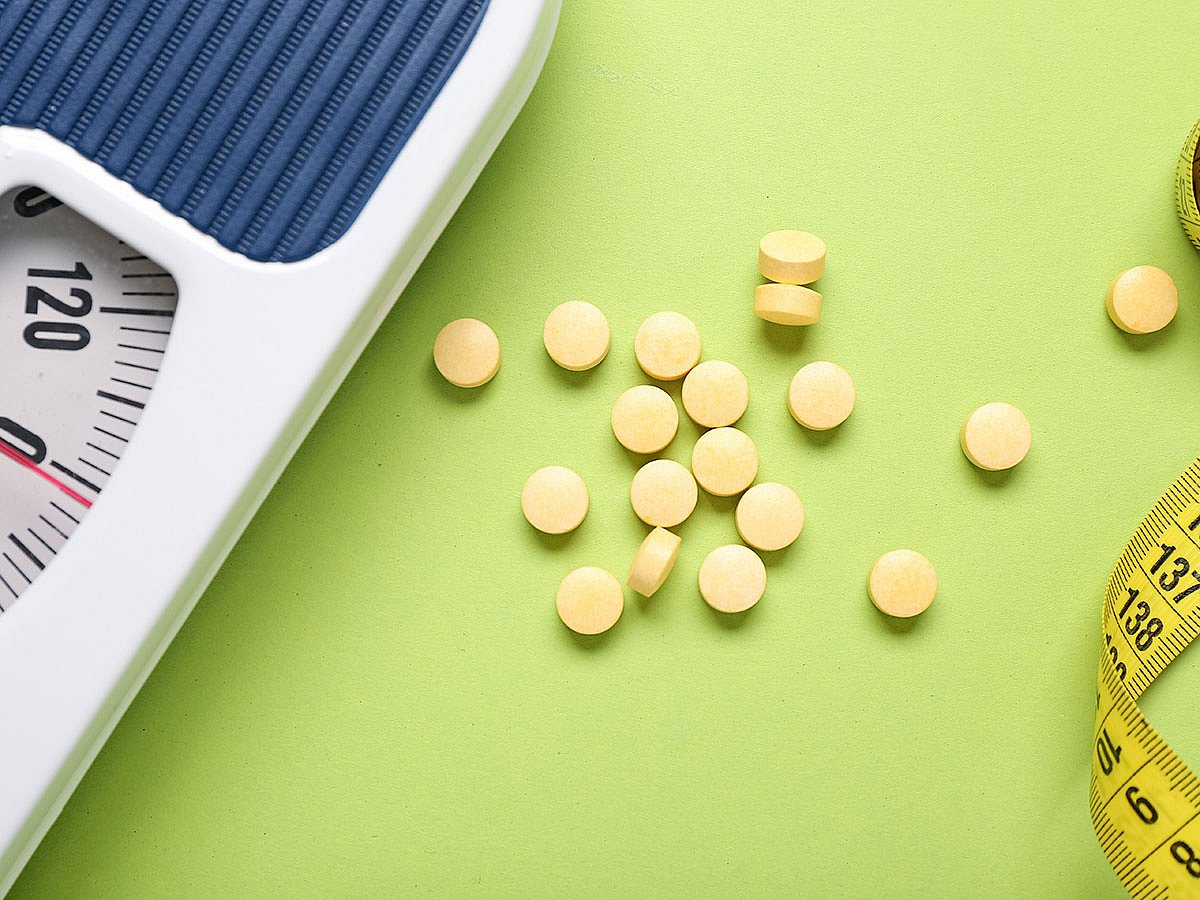
For patients with needle phobia, the arrival of oral GLP-1 weight-loss medicines is not a shortcut. It is an opening.
The UAE’s approval of Foundayo, alongside the availability of oral semaglutide under Rybelsus, changes the way we can speak to patients about obesity, diabetes, and metabolic health. Foundayo has been approved as a once-daily oral GLP-1 option for chronic weight management. Rybelsus is already available in UAE pharmacies as a prescription-only semaglutide tablet for adults with type 2 diabetes.
For years, many patients have heard the same sentence in clinics: “This medicine is an injection.” For some, that is a small inconvenience. For others, it is enough to stop the conversation.
Needle phobia is often misunderstood. It is not childish fear or lack of discipline. It can mean anxiety before appointments, avoiding blood tests, delaying treatment, or leaving a prescription unfilled. In a world where obesity, diabetes, and heart disease risk are common, any treatment option that makes care easier to start deserves attention.
That is why oral GLP-1s matter. They allow a patient to say yes to treatment without first having to face a needle. They make the first step feel familiar: a tablet, water, a daily routine. For someone who has avoided injections for years, that can be the difference between talking about treatment and actually starting it.
But we should not make the pill sound too easy.
Time and routine
The first drawback is time and the routines that go with it. A weekly injection asks for one moment of commitment every seven days. Most injectable GLP-1s are taken once a week, on the same day each week, often with or without meals. The patient may still dislike the injection, but the routine is simple.
A daily pill is different. It must be remembered every day, including during travel, school runs, work stress, jet lag, and weekends. The medicine only works in real life if the patient can keep taking it.
The second drawback is the routine of taking it. Oral semaglutide has specific instructions. It must be taken on an empty stomach, with a small amount of plain water. The patient then needs to wait before eating, drinking coffee, taking vitamins, or taking other oral medicines.
In practical terms, this means staying “sober” for a while in the morning: no karak, no espresso, no breakfast, no supplements, until the waiting time is over.
Rushed mornings
For many Gulf residents, mornings are already rushed. People wake up, pray, prepare children, check phones, and reach for coffee. Asking them to add a fasting tablet routine into that sequence may be medically reasonable, but it is not always easy.
Foundayo may help address part of that problem because it is a once-daily oral GLP-1 that can be taken without the same restrictions on food and water, according to current product information. That flexibility matters. A pill that can be taken at a convenient time is easier to live with than a pill that has to be negotiated around breakfast.
Still, daily treatment remains daily treatment. Forgetting several tablets in a week is not the same as being one day late on a weekly injection. For some patients, the injection they feared may eventually turn out to be easier than the pill they welcomed.
This is where doctors need to avoid making the conversation too simple: pill versus injection, brave versus fearful, modern versus old-fashioned. The better conversation is about fit.
Needle phobia
A patient with needle phobia may do best starting with an oral option, especially if the alternative is no treatment at all. A patient who travels often and dislikes carrying injection pens may also prefer tablets. But a patient with chaotic mornings, many early medications, or poor daily adherence may do better with a weekly injectable. The best medicine is not useful if it does not fit the person’s life.
We also need honest language. These are prescription treatments, not cosmetic shortcuts. They work best with nutrition, physical activity, sleep, follow-up, and careful dose adjustment. They should not be ordered casually, shared between friends, or treated as a pre-wedding crash plan.
The arrival of oral GLP-1s in the UAE is therefore not the end of injections. It is the beginning of a more personal choice. For needle-phobic patients, that choice can be freeing. But freedom from needles does not mean freedom from routine, discipline, or medical supervision.
The future of obesity care will not be one perfect medicine. There will be more options, better matched to more patients. And sometimes, the best treatment is not the one with the most impressive headline. It is the one the patient can actually take.
Frederik Cyrus Roeder is a health economist and writer based in Dubai
Sign up for the Daily Briefing
Get the latest news and updates straight to your inbox
Network Links
GN StoreDownload our app
© Al Nisr Publishing LLC 2026. All rights reserved.