Is BRICS changing the world - or just the conversation?
The bloc has elevated the Global South, but international system remains largely intact
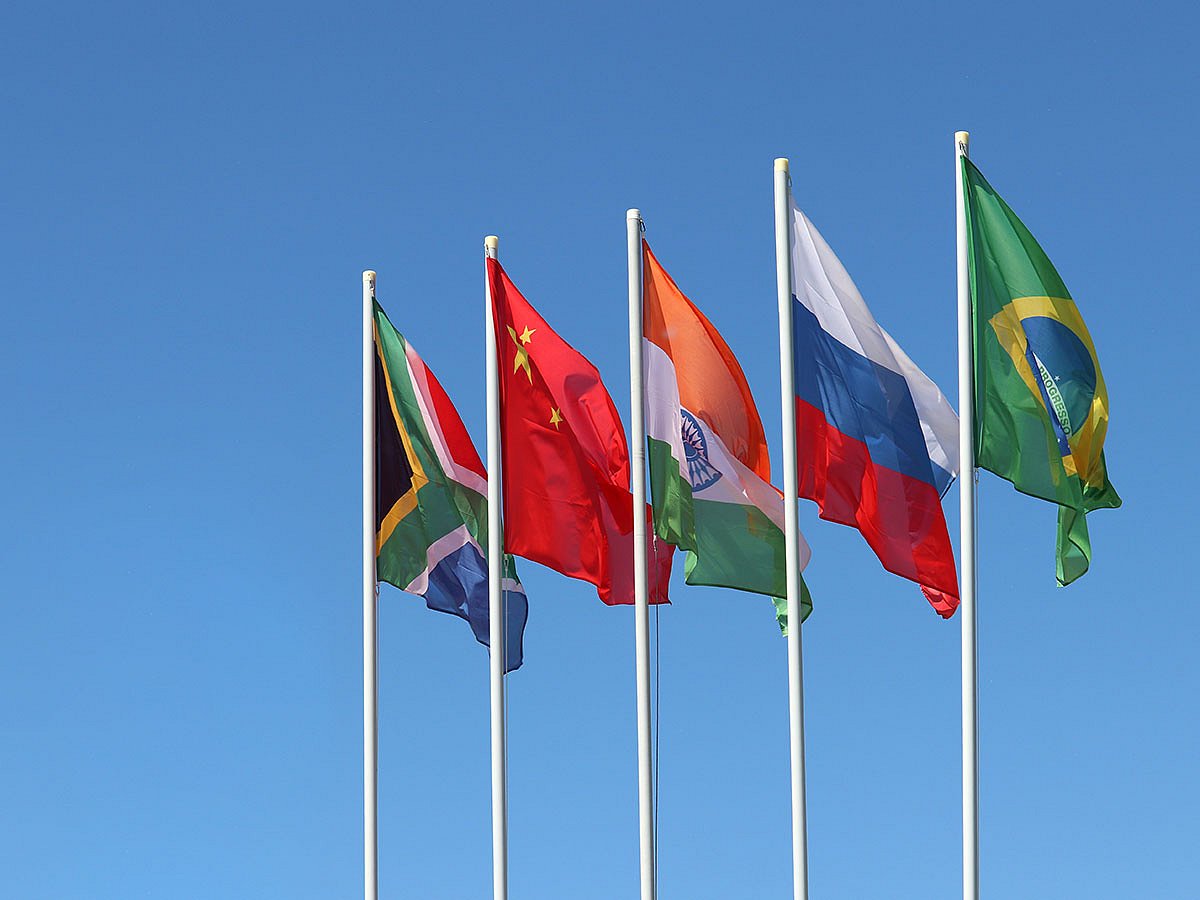
The goal of the ‘BRICS’ (Brazil, Russia, India, China, and South Africa) strategy is to establish a more equitable international order and reduce the dominance of international institutions currently led by Western countries. The bloc was born of the belief that the emerging giants like these economies should play a more important role in global governance, the global trade system, and the global financial system. In the last 15 years, BRICS has gained prominence globally, particularly with the establishment of institutions such as the New Development Bank (NDB) and the Contingent Reserve Arrangement (CRA). Despite this, it is unclear if the grouping has altered the system or manufactured a political slogan. BRICS has made some acceptable advances, but much of what it seeks to accomplish remains incomplete.
The change in BRICS does not indicate a change in the system
BRICS has been successful in shifting the conversation around power, representation, and economic governance. The bloc regularly demands reforms to institutions in which developing countries are under-represented, particularly those controlled by the West, including the International Monetary Fund and the World Bank. BRICS has enabled the Global South to be heard with greater weight and influence in political processes and has challenged the prevailing unipolar structure of international relations. Significantly, the NDB was established in 2015. The goal of the bank was to finance infrastructure and sustainable development projects without imposing the political prerequisites sometimes attached to financing by Western institutions.
Ever since its inception, the bank has disbursed billions of dollars toward several projects in its member and partner countries. So far, NDB financing has been approved for over 120 projects, totaling around $40 billion, according to the NDB. However, BRICS cannot substitute for and has not changed the essential governing bodies of the global system. The USD remains the necessary global reserve currency, and global financial institutions continue to influence global financial governance. Here, BRICS has managed to shift the global power conversation but hasn’t been that successful in altering the system.
Economic cooperation and expectations
BRICS was intended to be a useful platform for economic cooperation among emerging economies. The bloc’s goals were to boost trade, eliminate reliance on the US dollar, and create alternative financial systems. There has been some improvement, but not to the extent that was desired in the field of economics. Trade volume has grown in the past, and negotiations to adopt a common currency for trade have been stepped up.
China and Russia, among other nations, have been conducting bilateral trade more often than ever in their local currencies rather than US dollars. This is part of BRICS’ objective to reduce dollar dependence. BRICS has also devised financial instruments, such as the Contingent Reserve Arrangement (CRA), to support liquidity in financial emergencies. The goal was to restrict IMF emergency lending. But such alternatives are small-scale. The NDB is still much smaller than the World Bank, and the CRA, in its early stages, is not yet a major response mechanism. Moreover, despite efforts to identify new payment mechanisms, there are no common BRICS currencies. Therefore, BRICS offers alternatives, but they aren’t strong enough to compete with the current dominance. This reflects one of the primary flaws in the economic dimension of BRICS cooperation: its goals have been inflated, not matched by its accomplishment.
Internal divisions limit strategic influence
One of the fundamental problems of BRICS is the disunity of the members. While all agree on more multipolarity, their views vary widely on geopolitical priorities and strategic interests. Members have different views on geopolitical issues, such as the Ukraine conflict and the war in the Middle East. Russia is more aggressive towards Western powers than other developing countries such as India and Brazil, which tend to adopt the “maintaining balance” approach to diplomacy. The image of Brazil is more one of a developing country with an interest in trade and development, while China is more associated with strategic positioning and economic leadership. But these differences have undermined BRICS’ potential as a bloc in the global geopolitical arena. BRICS has also broadened its diversity. New members like Iran, Egypt, and the United Arab Emirates will add weight to the talks, which makes this even more challenging. As a result of internal shortcomings, BRICS’s strategic effectiveness has been impeded.
BRICS is at a crucial juncture. The bloc has certainly gained more visibility and influence since it was formed years ago. It has established institutions, specifically the New Development Bank, and highlighted the needs of emerging economies and the need for reform of global governance. However, BRICS doesn’t replace Western-led international norms. The development of economic cooperation has been sluggish, and internal disputes have hampered the bloc’s strategic leverage. The real achievement of BRICS is not that it has successfully overturned the existing global system — it clearly has not. Instead, BRICS has shown other emerging powers are seeking to play a more significant role in global governance — creating their own bodies where needed. All things considered, even though BRICS has been producing some influence, its promise has not been fulfilled.
Abdulaziz Ahmed Alshehhi is Senior Researcher and Deputy Head of Research Sector at TRENDS Research & Advisory
Sign up for the Daily Briefing
Get the latest news and updates straight to your inbox
Network Links
GN StoreDownload our app
© Al Nisr Publishing LLC 2026. All rights reserved.