Circular economy is the missing piece in energy transition
Waste and materials systems will shape future energy efficiency
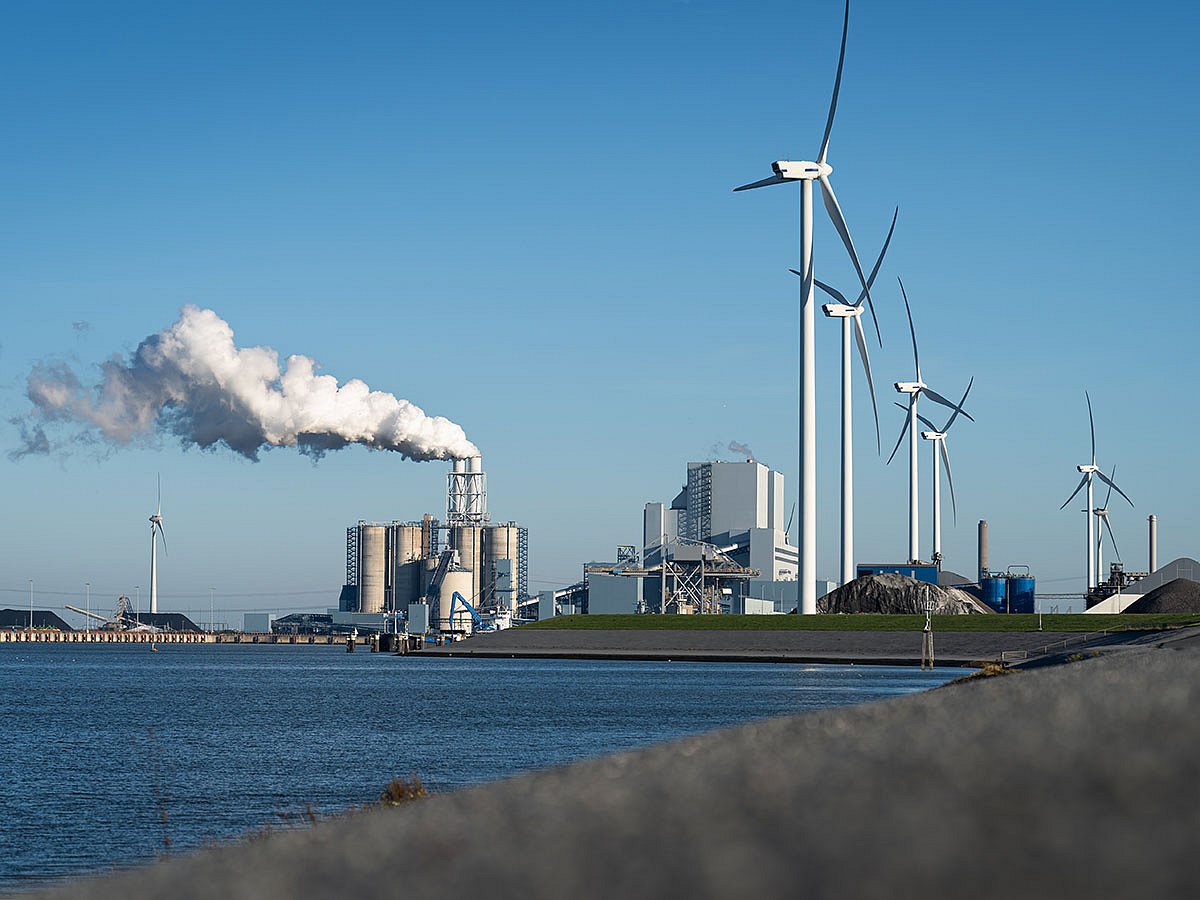
Global discussions on energy transition tend to focus on how electricity is generated. Renewables, grids, storage, and emerging technologies dominate the conversation. Yet from a strategic perspective, this view is incomplete. Energy systems do not operate in isolation. They depend on material flows, waste streams, and resource loops that shape long-term cost, efficiency, and resilience.
This matters because the drivers of future energy demand are changing rapidly. Global energy demand is expected to grow by more than 25 per cent by 2050, driven not only by population growth and urbanisation, but increasingly by artificial intelligence, advanced data centres, and digital infrastructure. In Abu Dhabi, investments in large-scale AI platforms and next-generation technology ecosystems reflect a future that is more energy-intensive and more system-dependent by design.
At the same time, global municipal solid waste generation is projected to rise from around 2.3 billion tonnes today to nearly 3.8 billion tonnes by mid-century. From a systems standpoint, these trends are inseparable. Economies that consume more energy also move more materials, and every inefficiency in how those materials are managed introduces hidden cost, emissions, and long-term risk into the energy system itself.
Structural weakness
This is where a structural weakness emerges. Energy infrastructure is planned decades in advance. Investment decisions are stress-tested against reliability, operating cost, and future demand. Performance is monitored continuously. Material and waste systems, by contrast, are often treated as downstream services rather than core infrastructure. When waste isn’t recovered, value is lost, methane emissions increase, and long-term liabilities accumulate.
Successful energy transitions are built on integration. Generation is aligned with transmission, fuel supply, and demand management so the system performs as a whole. Circular economy systems must follow the same logic. Materials need to be designed for recovery, waste streams managed for quality, and infrastructure planned around long-term performance rather than short-term disposal.
Resource system
This strategic approach is increasingly evident in Abu Dhabi. Rather than viewing waste as an endpoint, the emirate is positioning it as part of a broader resource system that supports energy resilience, cost stability, and sustainability objectives. This aligns with the reality that waste already contributes between 3 and 5 per cent of global greenhouse gas emissions, exceeding aviation, and that better system design is one of the fastest ways to reduce this footprint.
At Tadweer Group, circularity is approached as an operating system that must perform over decades. Strategy focuses on aligning policy objectives with investment planning, infrastructure sequencing, and operational accountability. Business performance frameworks then ensure that cost efficiency, recovery rates, and environmental outcomes improve together rather than in isolation. This is how ambition is translated into delivery at scale.
Participation across value chain
However, system performance does not depend on infrastructure alone. It depends on participation across the value chain. When households and businesses reduce waste, reuse materials, and recycle correctly, they directly improve the efficiency and economics of the entire system. Small, consistent actions at source have a measurable impact on recovery quality, energy output, and long-term cost.
My professional experience has centred on designing and managing complex systems where reliability, discipline, and long-term planning determine success. That same perspective now shapes how we approach circular economy development at Tadweer. Targets matter, but performance is what delivers value.
The energy transition will not be defined by generation technologies alone. It will be shaped by how efficiently resources circulate through the economy and how deliberately systems are designed to support growth without unnecessary cost or risk. Designing circular systems with the same rigour as energy infrastructure is no longer optional. It is fundamental to building a secure, affordable, and sustainable future.
Ahmed Al Kayyoomi is Executive Director of Strategy and Business Performance, Tadweer Group
Sign up for the Daily Briefing
Get the latest news and updates straight to your inbox
Network Links
GN StoreDownload our app
© Al Nisr Publishing LLC 2026. All rights reserved.