Beyond soft power: Culture as the infrastructure of diplomacy
Cultural understanding is what sustains diplomacy long after agreements are signed
The World Day for Cultural Diversity for Dialogue and Development is a moment to reflect on the richness of the world’s cultures — and also an opportunity to ask: what role does culture play in the way nations, cities, and institutions actually work together?
My answer – based on working in strategic advisory, policy development, and foreign direct investment – is this: culture is not simply a soft power that complements diplomacy. It forms the foundational infrastructure of diplomacy.
Diplomacy has long been understood through the language of political alignment and economic interest. Treaties are signed, trade routes are opened, alliances are forged. But what makes those agreements hold is something harder to quantify: trust and a genuine understanding of how the other side sees the world. That is what culture builds. In this sense, cultural diversity is not merely something to be celebrated — it is a strategic asset, a form of social and institutional infrastructure without which lasting international partnerships cannot be forged.
Culture as the centre of identity
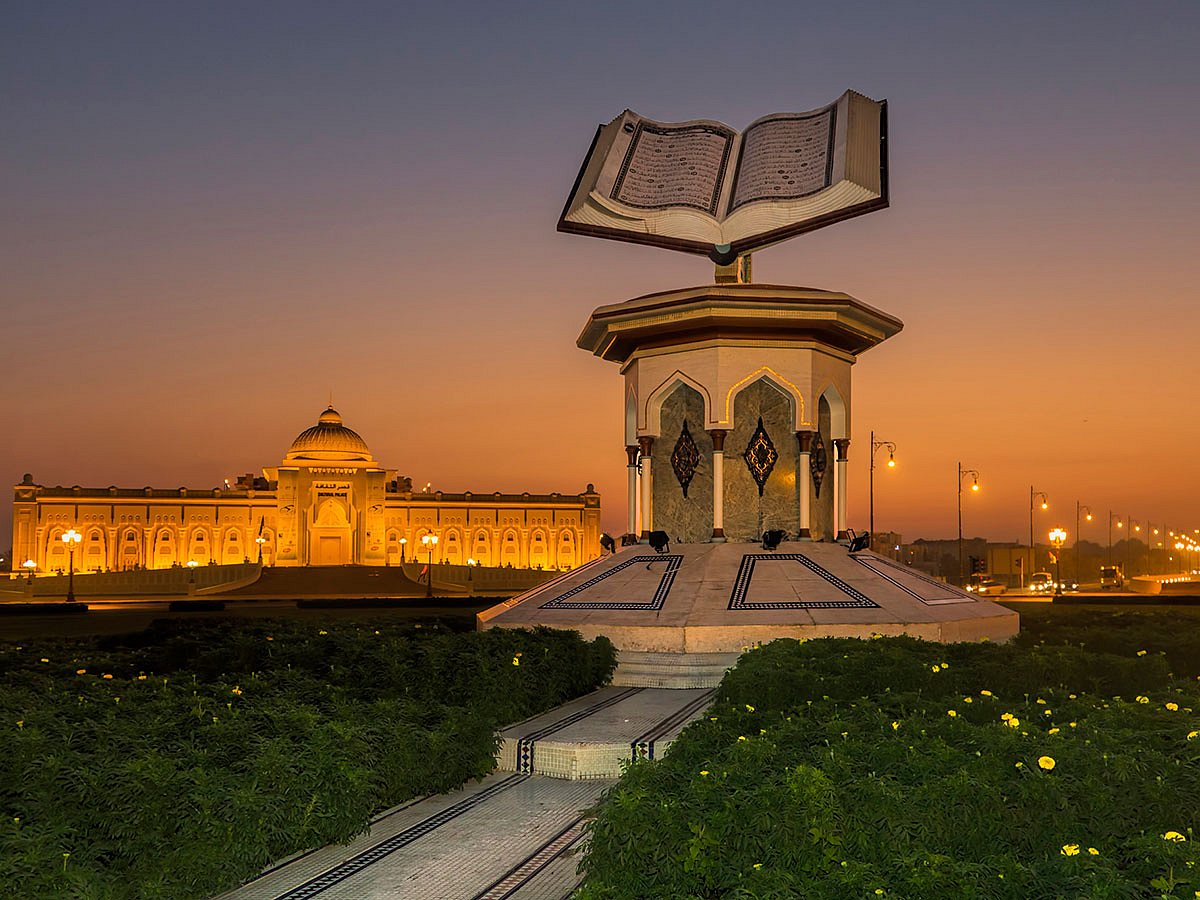
Sharjah has understood this for well over 50 years. Under the visionary leadership of His Highness Sheikh Dr Sultan bin Mohammed Al Qasimi, Member of the Supreme Council and Ruler of Sharjah, the emirate has placed culture, knowledge, heritage, and dialogue at the very centre of its identity and development. Sharjah was designated the Cultural Capital of the Arab World by UNESCO in 1998 and the World Book Capital in 2019 as recognition of a genuine, sustained commitment to these values. Books, museums, universities, and arts institutions are not secondary aspects of Sharjah’s development model; they are its source of strength.
For institutions working in international relations, including the Department of Government Relations in Sharjah, this shift towards positioning culture centrally within diplomacy has important implications. The question we have asked ourselves at the Department of Government Relations is: how do we translate this cultural identity into structured, meaningful international cooperation? How does a city’s commitment to knowledge and openness become something more than reputation — how does it become a platform for action?
Consistent engagement
The answer lies in consistent, purposeful engagement. When a high-level delegation from China’s Shandong Province visited Sharjah late last year, the conversations spanned government, economy, tourism, and academia — but also witnessed cultural curiosity on both sides, leading to Shandong inviting Sharjah to participate in a cultural festival marking the opening of a Confucius Institute in 2026. Also towards the end of 2025, when the US Consul General met with our team to explore joint cultural and educational programmes — including student exchanges and partnerships with creative institutions — he noted that Sharjah’s deep respect for heritage and community created tangible opportunities for cooperation. Around the same time, when 17 ambassadors and representatives from European Union member states visited Sharjah, it was the emirate’s cultural, educational, and innovation-led identity that opened doors to conversations about practical, long-term partnerships.
None of these engagements began with a contract. They started with a dialogue and the recognition of Sharjah as a place built on values of knowledge, openness, and the conviction that cultural exchange is the most durable form of trust.
A foresight to build
This is the model that the wider diplomatic world has the potential to absorb more fully. On this World Day for Cultural Diversity, cities and governments everywhere must consider how their cultural identity can build trust and explore what cooperation it could unlock. The infrastructure may already be in place; the question is whether we have the foresight to build on it. There is an urgency to take the initiative as we find ourselves in an increasingly fragmented world. However, in our shared responsibility to forge closer ties, we must bear in mind that diplomacy that is not built on cultural understanding will struggle to endure.
Sheikh Fahim Al Qasimi is Chairman of the Department of Government Relations in Sharjah
Sign up for the Daily Briefing
Get the latest news and updates straight to your inbox
Network Links
GN StoreDownload our app
© Al Nisr Publishing LLC 2026. All rights reserved.