A world on the brink: Why global hunger is rising despite abundant resources
As conflicts, climate shocks and shrinking aid collide, millions face famine
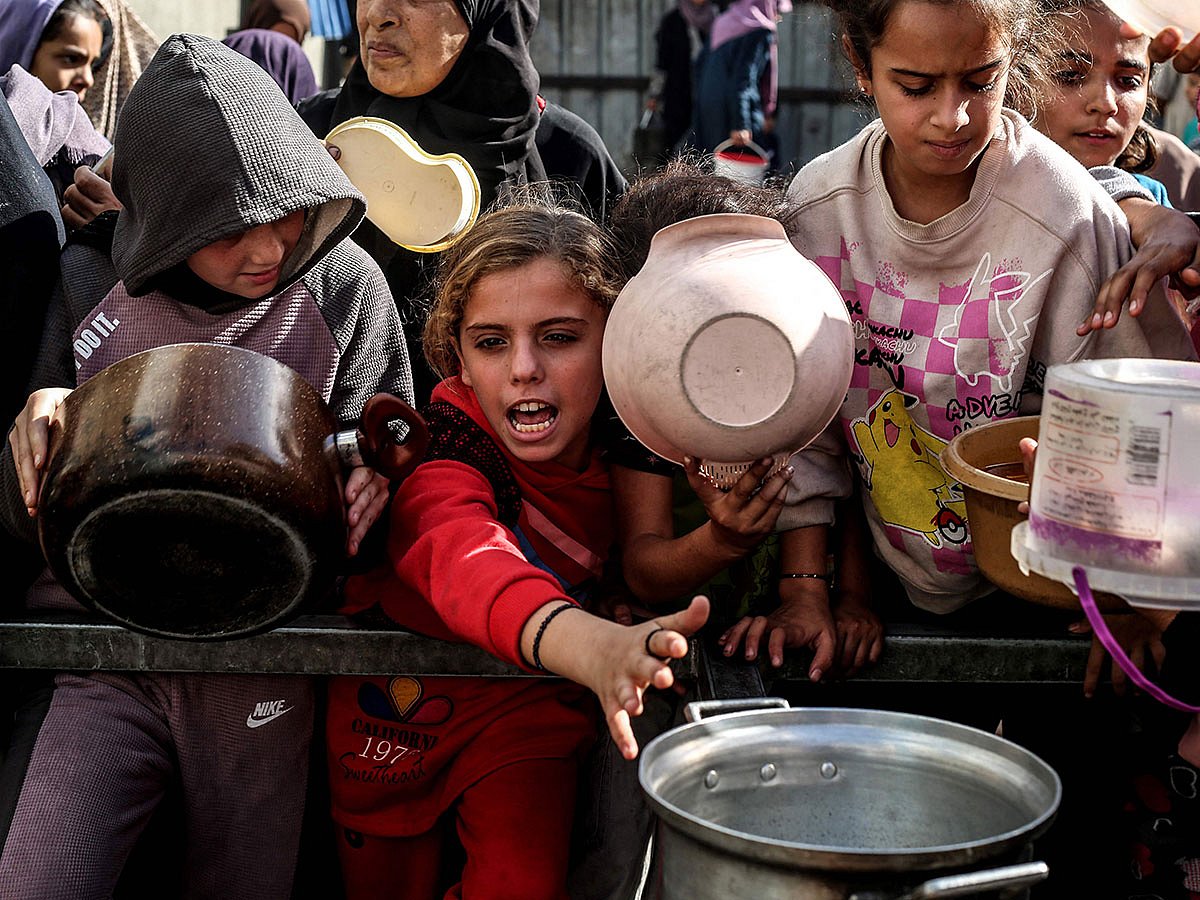
Hunger is spreading worldwide due to conflicts, climate change, and economic crises — not merely because of a lack of resources — amid a decline in international aid. This destabilises societies, intensifies competition over resources, enables extremist groups to use food as a recruitment tool, and worsens wide-ranging consequences, even though the world has the capacity to address the crisis.
The world is facing successive waves of food insecurity and hunger, especially in developing countries. The food crisis has deepened due to global political turmoil, natural disasters, and public health emergencies like the COVID-19 pandemic. Food insecurity now affects about 720 million people, with children suffering the most, as malnutrition limits cognitive and physical abilities into adulthood.
The World Food Programme (WFP) estimates that 318 million people will face hunger in 2026, more than twice the number in 2019, while available funding covers only half of the need. This threatens assistance for 110 million people, requiring $13 billion. In the Middle East, the crisis is evident in simultaneous famines in Gaza and parts of Sudan.
Failure to tackle poverty
As we approach the end of the first quarter of the 21st century, the world has failed to stay on track toward ending poverty as outlined in the Sustainable Development Goals, while hunger continues to take root and expand. Ending hunger requires sustained support, commitment, and global cooperation. In reality, however, the United States — the largest donor to the WFP — reduced foreign aid during President Donald Trump’s administration, and other major countries have also decreased contributions.
The WFP is a lifeline for those facing conflict and disaster, especially those forced from their homes, and it invests in long-term solutions to address food insecurity. In 2025, the WFP succeeded in saving many communities from the brink of famine. Yet the global food crisis shows no signs of easing in 2026. On the contrary, funding is projected to drop by 40% year-on-year in 2025, leading to an expected budget of $6.4 billion — down from $10 billion in 2024.
The reasons are clear: wars, environmental disasters, and economic hardships are pushing increasing numbers of people toward hunger. While drought was the main cause of major famines in the 20th century, in the 21st century, conflict, ongoing climate change, and economic marginalisation form the core drivers of hunger. The number of conflicts worldwide rose from 46 in 2014 to 61 in 2024, according to Uppsala University conflict data.
Global challenge
Poverty prevents access to adequate food. Individuals suffer malnutrition when they lack essential nutrients required for health and growth. Waves of displacement and forced migration caused by conflicts and disasters create major challenges in obtaining food. This phenomenon is not confined to poor countries alone; it is a global challenge that requires a global response.
Technology has opened the door to successive waves of innovation and improvement in agricultural techniques. According to estimates by the Food and Agriculture Organisation (FAO) and the UN Environment Programme, if food waste were reduced, the world could produce enough food to feed nearly 10 billion people — about two billion more than the current global population.
Global economic fragility worsens the hunger crisis. Nearly half of low-income countries face debt distress or are at high risk of it. High debt levels push governments to prioritise repayments over essential spending, reducing available funding for food, social safety nets, and necessary investments in agricultural infrastructure. Today, three billion people live in countries that spend more on interest payments than on health or education. As economic inequalities widen, hunger intensifies. When food prices rise, the poorest countries struggle the most to secure adequate supplies.
Food shortages in the Arab region
In the Arab region, unprecedented levels of food shortages are observed, with 198 million people suffering from severe or moderate hunger — the highest levels of poverty in two decades. Addressing the food crisis requires multifaceted global efforts, including strengthening local and regional food systems to ensure sufficient and diverse food availability; supporting sustainable agriculture through investments in agricultural infrastructure and technology to increase productivity and improve crop quality; and raising awareness about the importance of healthy and proper nutrition through educational programs and community outreach campaigns.
It also involves enhancing economic opportunities to create jobs and increase income, thereby improving people’s ability to access healthy food. All of this must take place within the framework of coordinated international cooperation and partnerships between governments and the private sector to end the global food crisis.
Decisions made in the political arena
The world needs political solutions that promote peace, save lives, and prevent the spread of hunger. This cannot be achieved without addressing crises at their roots — not through superficial peace. Strengthening resilience, adapting to climate change, and improving food systems are essential foundations for a more prosperous future. Hunger crises and food insecurity often correlate with global emergencies such as the COVID-19 pandemic, whose containment measures led to border closures that disrupted food supplies to import-dependent developing countries. The Russia–Ukraine war also intensified shortages of corn, oilseeds, and wheat before being mitigated by international efforts.
Hunger leads to conflict
Hunger can both result from and contribute to conflict, as displaced people compete with host communities for limited resources, especially in areas plagued by poverty and inequality. Investing in food security is not only a moral imperative — it is far less costly than dealing with the consequences of underinvestment, which worsen crises. Directing funds to the most vulnerable regions through blended financing — combining grants with low-interest loans—can reduce risk. Major donor countries, international organisations, and the private sector must take on greater responsibility by increasing investment in humanitarian programs in rural communities and providing technical assistance alongside financial support.
Governments must focus on social protection systems to ensure access to a minimum level of healthy food; on partnering with the global community in scientific research to enhance local production through smart agriculture; and on international cooperation to invest in humanitarian initiatives, to prevent the deepening of the global hunger crisis and move toward stability rather than escalating conflict.
Hazzaa Saif Alhammadi is a Researcher at TRENDS Research & Advisory
Sign up for the Daily Briefing
Get the latest news and updates straight to your inbox
Network Links
GN StoreDownload our app
© Al Nisr Publishing LLC 2026. All rights reserved.