Electric vehicles (EVs) are not necessarily more likely to catch fire than petrol cars, but when their batteries do catch fire, the fire behaves differently and can be harder to put out.
UAE EV drivers: Why accidents and breakdowns need different safety precautions
Emergency door releases to battery safety, here is what EV owners should know
Last updated:
4 MIN READ
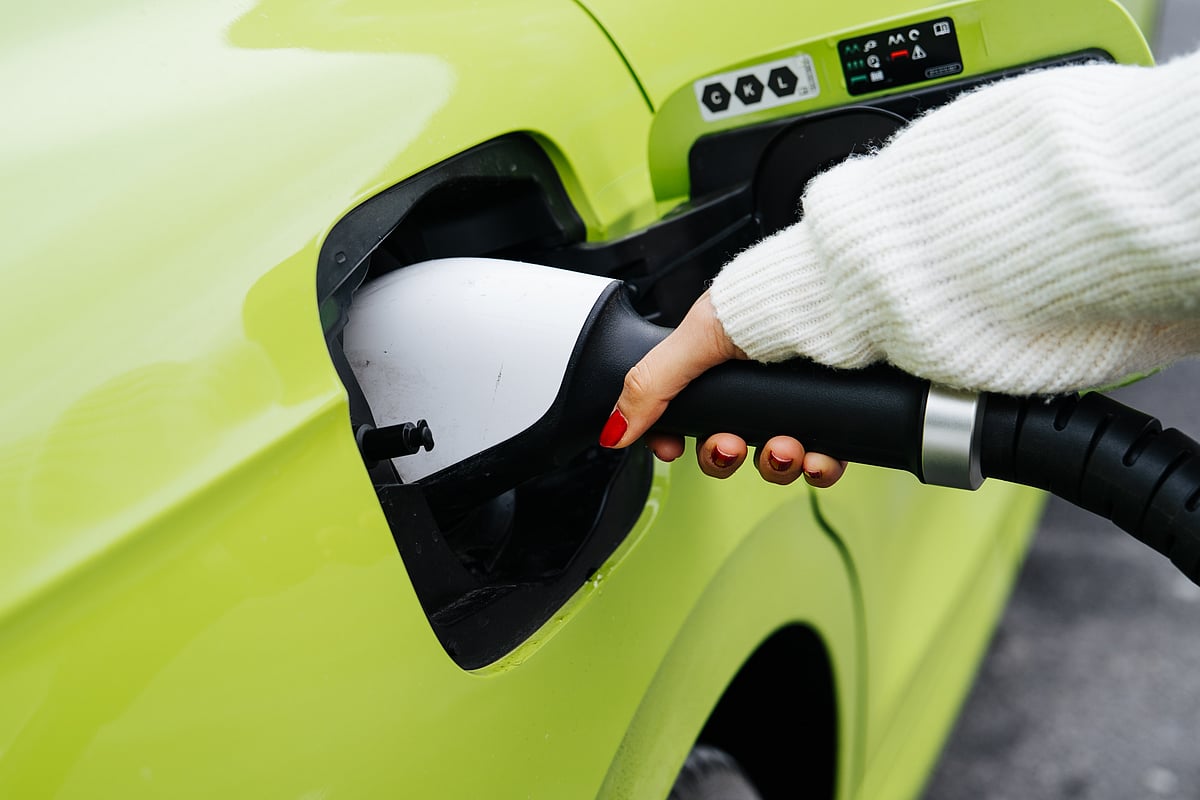
Knowing how these systems operate can help EV owners respond appropriately during an emergency.
Shutterstock
Dubai: Electric and hybrid vehicles are becoming increasingly common on UAE roads, and the UAE aims to aims for electric and hybrid vehicles to account for 50 per cent of vehicles on its roads by 2050.
As more motorists switch to EVs, understanding their safety features is becoming increasingly important. While EVs have safety standards comparable to petrol-powered cars, their high-voltage batteries and electronic systems require some additional precautions, particularly during accidents, breakdowns and charging.
Dubai Police's Aman Roads initiative has highlighted key safety measures that EV owners should know, including how to exit a vehicle during a power failure and what to do after a collision.
Get updated faster and for FREE: Download the Gulf News app now - simply click here.
Are electric vehicles less safe than petrol cars?
Electric vehicles are designed to meet established vehicle safety standards, and many of their maintenance and safety requirements are similar to those of conventional cars.
According to the US Department of Energy, maintenance needs and safety requirements for plug-in hybrid electric vehicles (PHEVs) and hybrid electric vehicles (HEVs) are similar to those of conventional vehicles, while fully electric vehicles generally require less maintenance.
However, EVs have high-voltage battery systems that require different precautions, particularly after an accident.
Research published by the European Association for Accident Research and Analysis, based on a staged collision and battery fire conducted by Switzerland's Dynamic Test Center, found that while electric vehicles are as safe as conventional cars, rescue operations and the handling of damaged EVs require different procedures, particularly because of their high-voltage batteries.
Researchers also found that a lack of specialised training, equipment and information could delay emergency response efforts, highlighting the need for rescue teams to be prepared for EV-related accidents.
What happens if an EV loses power and the doors won't open?
One important precaution highlighted by Dubai Police concerns electronic door locks. Some EVs use electronically operated door latches that may stop functioning following a collision or electrical failure.
Although manufacturers generally provide manual emergency releases, their locations and operation vary between models.
Dubai Police advises drivers to:
Locate the manual door release: Check the owner's manual to find out where it is and how it works.
Learn how to unlock doors manually: Familiarise yourself with the procedure before an emergency occurs.
Understand your vehicle's mobile app: Some EVs allow owners to check vehicle status or control certain functions remotely. However, these should not be relied upon as the only means of exiting the vehicle.
What should EV drivers do after an accident?
As with any vehicle, the first priority after a collision is personal safety.
According to Dubai Police's Aman Roads guidance, motorists should:
Check for danger: Look for smoke, flames or other signs of a potential fire.
Exit the vehicle safely: Use the manual door release if the electronic system is unresponsive.
Move to a safe location: Keep away from traffic and the damaged vehicle.
Call emergency services: Seek assistance once you are in a safe place.
Avoid damaged electrical components: Never touch exposed high-voltage cables or attempt to inspect a damaged battery.
If smoke, unusual heat or flames are present, drivers should stay away from the vehicle and avoid re-entering until emergency responders confirm it is safe.
Are EV battery fires different from petrol car fires?
Although EV battery fires are relatively uncommon, they can present different challenges for firefighters.
Lithium-ion batteries can experience a process known as thermal runaway, in which a damaged or failing battery cell generates heat that can spread to neighbouring cells.
This means:
Battery fires can be difficult to control and may require specialised firefighting procedures.
Damaged batteries may reignite even after an initial fire has been extinguished.
Vehicles with potentially damaged high-voltage batteries may require specialist inspection before they can be driven or charged again.
What safety features should EV drivers understand?
Dubai Police also advises motorists to familiarise themselves with their vehicle's safety and driver-assistance systems. These include:
Automatic emergency braking: Understand how the system operates and its limitations.
Parking assistance: Learn how to activate and disengage the feature safely.
Automated driving assistance: Know when driver intervention is required and how to regain full control.
Automatic locking systems: Understand how doors can be unlocked manually during an emergency.
Drivers should also keep their vehicle's emergency instructions and roadside assistance contact details accessible.
Emergency numbers
Police: 999
Ambulance: 998
Network Links
GN StoreAbout Gulf NewsTerms & ConditionsReach by GNSitemapContact usPrivacy PolicyGN FocusHave your sayWork with usAdvertise with usGulf News epaperPrinting Services
Download our app
© Al Nisr Publishing LLC 2026. All rights reserved.