UAE students with diabetes allowed to use phones, carry snacks during exams
Schools must not confiscate attached insulin pumps or glucose-monitoring devices
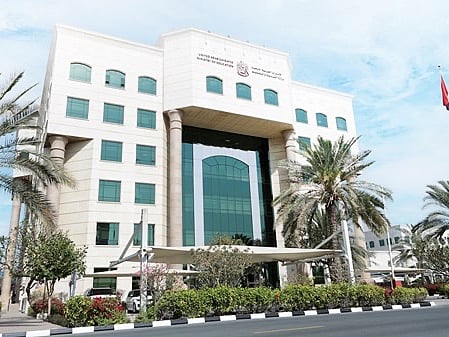
Abu Dhabi: The UAE Ministry of Education has outlined a series of measures to protect the health of students with diabetes, granting them special allowances during examinations and lessons and establishing procedures for their participation in sports, school trips and other activities.
The measures are set out in a guide on managing diabetes among school students, prepared by the ministry’s Quality of Life Department in November 2026.
Get updated faster and for FREE: Download the Gulf News app now - simply click here.
The guidelines aim to provide a safe and supportive learning environment in which students with diabetes can participate fully in school life on an equal footing with their peers, with responsibilities shared among schools, families and healthcare professionals.
Each student with diabetes must have an individual healthcare plan approved by their treating physician.
Special allowances during examinations
Students with diabetes will be permitted to use blood glucose monitors and mobile phones connected to glucose sensors during examinations. They will also be allowed to bring water and snacks into exam halls.
If a student experiences low or high blood sugar levels during an examination, the exam clock must be paused and the time lost compensated for.
Students may also be allowed to retake an examination if their medical condition affects their performance.
The ministry stressed that insulin pumps and continuous glucose monitors are medical devices that must not be removed or confiscated.
Students must be permitted to use mobile phones to view their glucose readings, while teachers must take device alerts seriously and notify school nursing staff.
Classroom allowances
Under the guidelines, students with diabetes must be allowed to:
Check their blood sugar levels at any time.
Eat food and drink water whenever necessary.
Use the toilet without repeatedly seeking permission.
Sit in a location where teachers can easily monitor their wellbeing.
Students must not be penalised for absences related to medical treatment, and teachers must respect their privacy by avoiding references to their health condition in front of classmates.
Eight requirements for individual healthcare plans
The ministry requires every student with diabetes to have an individual healthcare plan prepared by a specialist physician, covering eight key areas:
Target blood glucose range.
Glucose monitoring schedules and insulin doses.
Symptoms of low and high blood sugar.
Treatment procedures for each condition.
Meal and snack requirements.
Physical activity instructions.
Medical devices used by the student.
Parent and emergency contact numbers.
Parents must submit the healthcare plan and medical reports at the beginning of the academic year, provide medical supplies and snacks, keep contact details up to date and immediately notify the school of any changes to treatment.
School administrators must maintain a register of students with chronic health conditions and ensure that teachers are informed.
School nursing staff are responsible for implementing healthcare plans, monitoring glucose readings and insulin doses, maintaining medication and emergency kits, training teachers, documenting incidents and communicating with families.
Sports activities and school trips
The ministry encouraged schools to support students with diabetes in participating in physical activities rather than excluding them.
Blood glucose levels should be checked before exercise, and students should have access to snacks, fast-acting sources of sugar and water.
Teachers must monitor students during and after exercise, as a drop in blood sugar levels may occur several hours later.
For school trips and outdoor activities, the ministry outlined three requirements:
Notify parents and school nursing staff in advance.
Ensure a trained individual accompanies the student and carries an emergency kit.
Observe meal schedules and protect medical equipment from exposure to heat.
Protecting students’ dignity and privacy
Teachers have been advised to praise students for following their healthcare plans rather than focusing on their glucose readings.
They should also avoid commenting on students’ food choices or referring to them as sick in front of their classmates.
The ministry stressed the importance of emergency preparedness, requiring teachers to keep fast-acting sources of sugar in classrooms, leave clear instructions for substitute teachers, document medical incidents and notify nursing staff and parents.
The ministry emphasised that the guidelines do not replace the instructions of the treating physician or the student’s approved individual healthcare plan.
Network Links
GN StoreDownload our app
© Al Nisr Publishing LLC 2026. All rights reserved.