What’s the safest way to wash rice before cooking? Here’s what new research says
The cloudy water swirling down the drain isn't just dirt
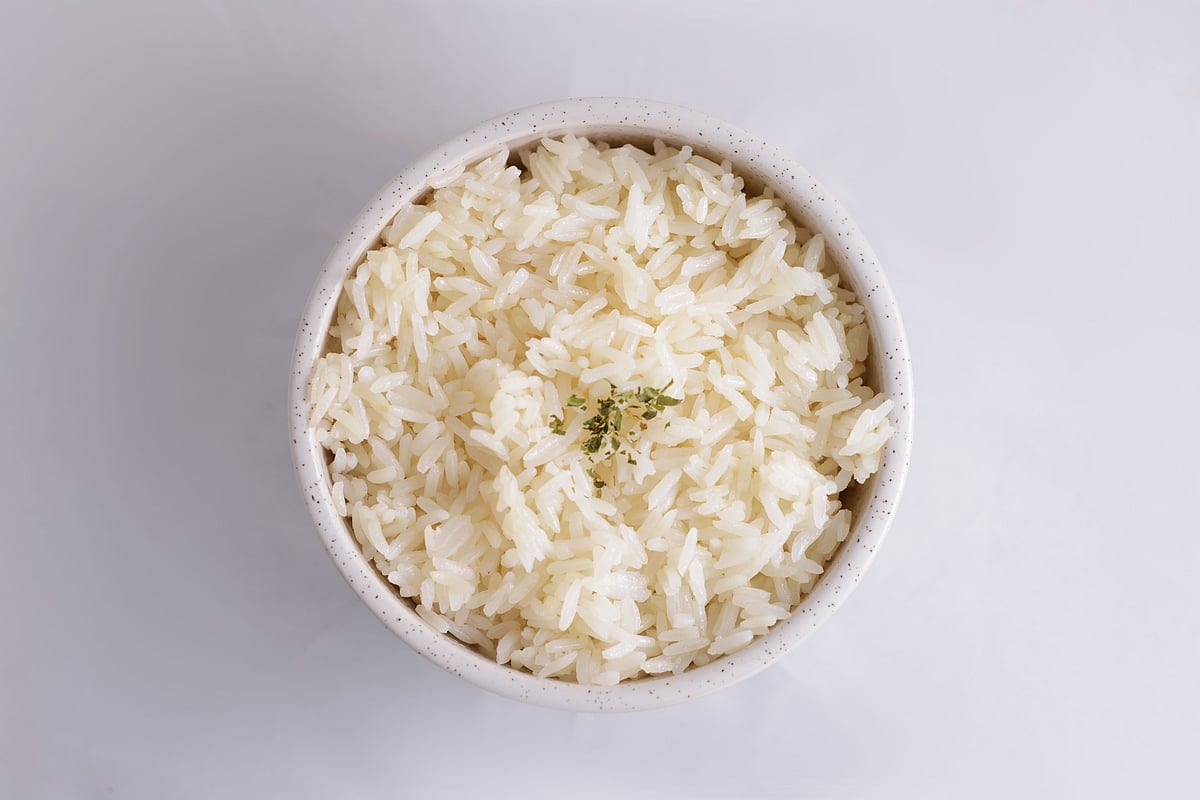
You know the ritual: You stand over the kitchen sink, swirl a bowl of rice under running water and wait for the liquid to turn crystal clear. It's one of those cooking habits that feels almost instinctive, passed down through kitchens, cultures, and generations without much question.
Yet, that cloudy water swirling down the drain isn't just dirt.
What’s really in that cloudy water?
That opaque, starchy liquid you rinse away is often assumed to be dust or surface residue. In reality, it contains more than just visible impurities. According to reporting highlighted by LiveScience, rinsing rice until the water runs clear also strips away a portion of its water-soluble nutrients.
These include trace minerals such as iron, zinc, copper, and vanadium—micronutrients your body uses in small, but important amounts. Each rinse gradually reduces their presence in the grain.
Before you rethink your entire kitchen routine, though, there’s an important caveat. Evangeline Mantzioris, an accredited practising dietitian at the University of Adelaide, points out to Live Science, that rice contributes only a small fraction of these nutrients in the overall diet. In other words, while rinsing does remove some minerals, it is unlikely to have a significant nutritional impact for most people.
So if nutrients aren’t the main reason to wash rice, what is?
1. Reducing arsenic exposure
One of the strongest reasons comes from concerns about inorganic arsenic, a naturally occurring element that rice plants can absorb from soil and water as they grow. Food scientist Permal Deo of the University of Adelaide notes that rinsing can help reduce the amount of arsenic present on the surface of rice grains.
As he emphasises, this step is “less about dust and insects” and focuses on reducing exposure to unwanted chemical contaminants.
While rinsing doesn’t eliminate arsenic entirely, it can lower the amount that ends up in your cooked rice.
2. Cutting down microplastics
There’s also a more modern concern entering the kitchen: Microplastics. A 2021 study published in Journal of Hazardous Materials showed that rinsing rice before cooking can reduce plastic contamination by about 20 per cent to 40 per cent.
Although scientists are still studying what this means for long-term health, early evidence indicates that microplastics are widespread in food systems—and potentially not as harmless as once assumed. In this context, rinsing becomes less of a tradition and more of a simple risk-reduction step.
Is washing rice still necessary?
Not all experts agree that rinsing is essential in modern kitchens.
Bo Wang, a food scientist at the University of Adelaide told Live Science, noted that most reputable supermarket rice undergoes extensive processing before it reaches consumers. This typically includes cleaning, drying, dehusking, milling, grading and packaging under controlled industrial conditions.
Due to this processing, Wang argues that commercially sold rice is already relatively clean and safe, meaning rinsing is not strictly required from a food safety perspective.
The balanced takeaway
Taken together, the evidence suggests that rinsing rice is not so much about tradition versus modernity, and is actually about degree.
Rinsing rice may help reduce surface contaminants such as arsenic and microplastics, with minimal nutritional impact for most people. However, repeatedly washing it until the water runs completely clear is generally unnecessary. That said, there’s no harm in rinsing it to your preferred level of cleanliness.
A light rinse once or twice is generally considered sufficient by many food scientists and nutrition experts. It reflects a practical middle ground: retaining safety benefits without over-processing the grain.
Network Links
GN StoreDownload our app
© Al Nisr Publishing LLC 2026. All rights reserved.