Yoga to manage hypotension - 2
Bharat Thakur guides you through the practices of this ancient Indian discipline
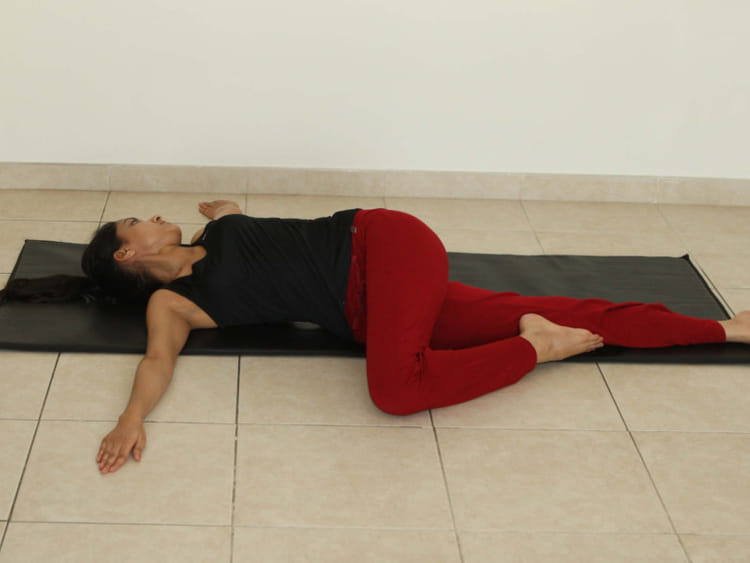
Postural or orthostatic hypotension implies a drop in blood pressure due to a change in body posture. This happens when a person moves to a more vertical position, such as, from sitting to standing or from lying down to sitting or standing.
Postural hypotension is common in older people. A sudden change in position causes a temporary reduction in blood flow and therefore a shortage of oxygen to the brain. This leads to light headedness or, sometimes, a loss of consciousness. Symptoms also could include blurry vision, weakness, confusion and nausea.
If these are experienced frequently, one must consult a doctor. Practising yoga regularly can help to keep hypotension in check along with proper medical guidance. The following is a breathing technique which helps when practised every day.
Surya Bheda Pranayama (vitality stimulating breath)
Assume a comfortable meditative posture with the head and spine straight. Place the hands on the knees. Close the eyes and relax the whole body. When the body is comfortable, still and relaxed, watch the breath for a few minutes until it spontaneously becomes slow and deep.
Close the left nostril with the ring finger and inhale slowly and deeply through the right nostril. At the end of inhalation close both nostrils, retain the breath for just a few seconds. Exhale slowly through the right nostril by keeping the left nostril closed with the ring finger. This is one round.
Begin with a ratio of 1:1:1 where you inhale for 5 seconds, hold for 5 and exhale to a count of 5. Initially 10 rounds are sufficient. Over a period of weeks as the practise becomes comfortable and easy, the duration may be increased to 10 to 12 minutes. Slowly increase the length of retention over a matter of months to 1:2:2 where you inhale for 5 seconds, hold for 10 and exhale for 10 seconds.
Benefits of Surya Bheda Pranayama include the following along with management of hypotension:
It stimulates and awakens the pranic energy (life force).
It increases vigour and helps overcome dullness and lethargy
It helps alleviate depression.
It makes the mind more alert and perceptive and is an excellent premeditation pranayama (exercise).
Note:
Never practise Surya Bheda Pranayama after food. There has to be a gap of minimum 2 hours.
People suffering from heart disease, hypertension or epilepsy should not practise this pranayama. Also, avoid this during pregnancy.
Surya Bheda is a very powerful pranayama and should only be performed under expert guidance. The elderly must seek professional advice before attempting any of the postures described here.
PRACTICE OF THE WEEK
Begin with a set of 15 sun salutations followed by the postures recommended in tabloid! October 23 issue. (Inverted postures namely Halasana and Vipreeta Karni should be avoided during menstruation.) Each posture must be practised for 10-20 seconds.
Ushtrasana
Janusirasana
Dhanurasana
Halasana
Merudansana
Shavasana
Surya Bheda Pranayama
Next week: Overcome depression with yoga
— This is an interactive series, in which we will bring you practical tips
on daily living, inspired by the vision of yoga. Write in to tabloid@gulfnews.com with your questions and doubts regarding enhancing your lifestyle through yoga. For more information, call 800-YOGA (9642) or log on to artisticyoga.com
Sign up for the Daily Briefing
Get the latest news and updates straight to your inbox
Network Links
GN StoreDownload our app
© Al Nisr Publishing LLC 2026. All rights reserved.