Walnuts can slow down ageing process
Eating a handful of walnuts regularly can reduce cholesterol levels significantly, study finds
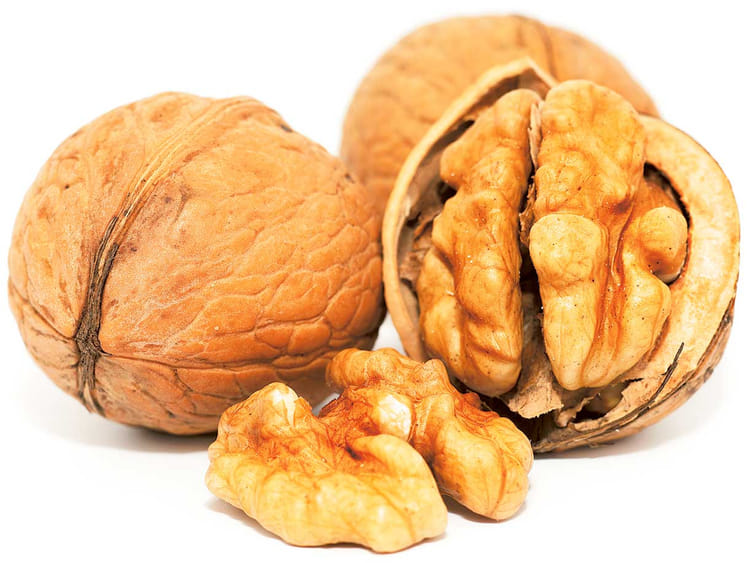
New York: Daily consumption of walnuts can help in healthy ageing, while also improving the blood cholesterol levels and maintaining good gut health, finds a new study.
Walnuts, which have been branded by some health experts as superfood, are an excellent source of protein that can keep hunger pangs at bay and fibre that promotes better digestion. However, many also believe that walnuts contain high calories that can result to weight gain.
The initial findings of the research by investigators of Loma Linda University and Hospital Clinic of Barcelona reveal that not only is the weight gain minimal, eating a handful of walnuts regularly can also reduce cholesterol levels significantly, especially among middle-aged adults.
The Walnuts and Healthy Ageing Study (WAHA) followed 707 patients between the ages of 60 and 82 years old with no uncontrolled diabetes or hypertension, walnut allergies, and obesity. Among the participants, 260 consumed walnuts on a regular basis while the others served as a control group. All of them didn’t receive any advice regarding their overall calorie or macronutrient intake, as well as walnut substitutes.
After a year of the study, their data showed that both the walnut eaters and the nut-free groups gained some weight and experienced changes in cholesterol markers like total cholesterol, triglycerides, and high-density lipoprotein (HDL) cholesterol. However, when the numbers were compared, those who ate walnuts had higher reduction in cholesterol.
Further, this effect on older patients “is maintained in the long term,” said Dr. Emilio Ros, one of the study doctors from the Hospital Clinic of Barcelona.
“It’s encouraging to see that eating walnuts may benefit this particular population,” he added.
Previous studies have already illustrated that consistent walnut consumption have several potential health benefits including reducing the risks of type 2 diabetes and cardiovascular disease, which are two of the leading causes of long-term morbidity and death in the United States.
This health benefit of walnut may be largely due to its high content of omega-3 fatty acid, a chain of amino acids associated with reduced chronic inflammation and management of metabolic syndromes.
The findings showed that intake of walnuts, especially by the elderly, can boost the good fats and other nutrients as well as lower obesity and blood cholesterol levels.
Initially found to increase body weight, the study’s preliminary results demonstrated that daily consumption of walnuts for one year by a sizeable cohort of older adults had no adverse effects on their body weight.
“Given that walnuts are a high-energy food, a prevailing concern has been that their long-term consumption might be associated with weight gain,” Ros, said.
“We will further assess how walnut consumption may affect, among other outcomes, cognitive decline and age-related macular degeneration, conditions that were major public health concerns,” Ros added.
Sign up for the Daily Briefing
Get the latest news and updates straight to your inbox
Network Links
GN StoreDownload our app
© Al Nisr Publishing LLC 2026. All rights reserved.