Drinking water but still tired? UAE summer hydration hacks and electrolyte balance fix
Master hydration with expert tips for surviving UAE's summer heat
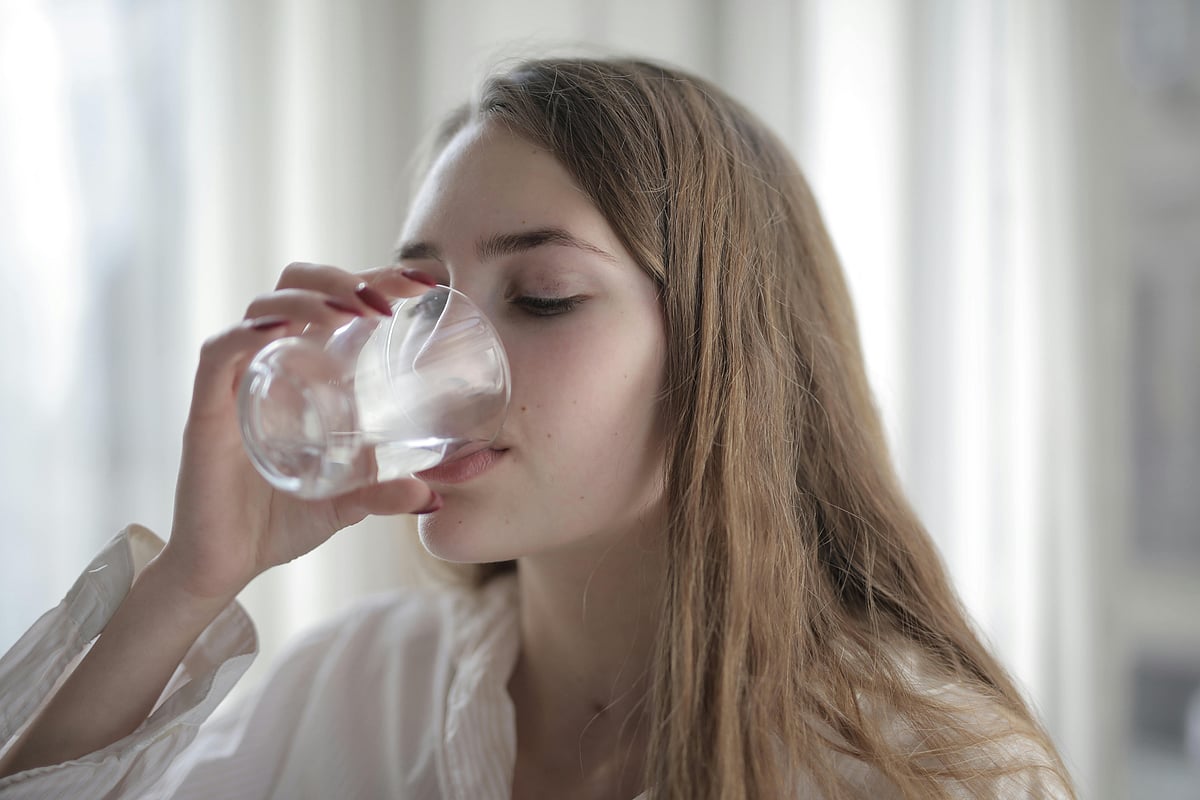
Staying hydrated sounds simple, that's until the UAE summer arrives in full force. Suddenly, a few hurried sips of water throughout the day are no longer enough. Real hydration is not just about drinking more water; it’s about when you drink it, what you eat, and how well your body is actually absorbing those fluids.
So if you’re constantly carrying a water bottle yet still feeling tired, sluggish, or overheated, your hydration routine may need a change. These simple hydration hacks could make all the difference during the hottest months of the year.
Water-rich foods you should consider
Hydration doesn’t just come from what you drink; certain foods can help keep your body cool and refreshed too. Fruits like watermelon, cucumbers, oranges, and strawberries are packed with water, with some containing more than 80 per cent water content. They also provide natural sugars that offer a steady energy boost without the sharp spikes and crashes linked to processed snacks or sugary drinks.
Vegetables such as lettuce, celery, and zucchini are equally effective when it comes to boosting hydration. Easy to toss into salads, sandwiches, or light snacks, they help replenish fluids while also supporting electrolyte balance, something the body needs more of during long periods of heat exposure.
Dairy options like yogurt can also play a role. Along with its high water content, yogurt provides protein and probiotics that support digestion and gut health. Coconut water is another popular choice, acting as a natural electrolyte drink that helps restore potassium and sodium lost through sweating, especially after outdoor activity.
Even light broths, including vegetable or chicken soup, can be surprisingly hydrating. They not only contribute to fluid intake but also provide minerals that help the body recover from heat and fatigue.
Small sips, all day long
Hack it: Set simple hourly reminders and aim for a glass of water every hour. Think of it as hydration pacing, not hydration panic.
Snack smart
Water doesn’t always have to come from a bottle.
Foods like watermelon, cucumber, and oranges (all over 85 per cent water) help maintain fluid balance. Even yogurt, which is also around 85 per cent water, supports hydration while boosting gut health.
Then there’s coconut water, a natural electrolyte drink packed with potassium and sodium. Add in light vegetable or chicken broths, and you’ve got hydration with nourishment built in.
Why it works: Hydrating foods also help maintain energy and electrolyte balance.
Hack it: Try fruit skewers, chilled soups, or drop cucumber and mint into your water bottle for a refreshing change.
Balance water with electrolytes
As Dr Mishika Khithani, Functional and Longevity Medicine Doctor, explains, just in case you needed to remember: Electrolytes are vital minerals like sodium, potassium and chloride that ensure proper hydration of the body by regulating fluid balance and distribution, muscle and nerve function. During the summer months the risks of dehydration are more pronounced.
The earliest signs you're losing electrolytes: "The signs vary on severity but to name a few headaches, fatigue, irritability and confusion, bowel changes, muscle cramps, irregular heart rate, tingling in your limbs," she says.
Over-hydrating without electrolytes can even lead to hyponatremia (low sodium levels), particularly after intense exercise.
As experts like Sarah Lindsay (ROAR Gym) and Dr Ruhil Badiani (Cornerstone Clinic) have previously noted, a nutrient-rich diet is often enough to restore electrolytes.
That includes:
Yogurt (rich in potassium and magnesium)
Spinach and kale (magnesium, calcium, potassium, plus antioxidants)
Nuts, seeds, whole grains, dark chocolate (magnesium boost)
Bananas, avocados, coconut water (potassium top-up)
However, don't immediately rush for electrolyte powders and supplements, she warns. "If people are performing low intensity workouts for a short period of time especially when it is not extremely hot then electrolytes may not be required. There is a time and place for everything. That being said excess of anything is not advised and caution is advised to check for additives like caffeine, food colouring and artificial sweeteners in the electrolytes.:
How to make your own electrolyte drink
Skip the expensive branded tubs. This does the same job and costs almost nothing, explains Hannah Lucy Murphy, a fitness trainer and nutritionist.
Into 500ml of cold water, mix:
⅛ tsp fine salt
juice of half a lemon or lime or 1 serving of sugar free cordial
¼ tsp cream of tartar
1 tsp honey (optional)
The salt covers sodium, cream of tartar, baking aisle at Carrefour or Spinneys, gives you potassium, and the citrus makes it easy to drink. Honey is optional but useful for longer sessions when you need a quick energy hit. Training outdoors in July or August? Double the salt. Freeze the bottle the night before and your drink stays cold for the first half of your session.
The amount of water you need to drink
According to the National Academies of Sciences, Engineering, and Medicine (NASEM), the adequate total daily water intake is about 3.7 litres for men and 2.7 litres for women. This includes fluids from water, beverages, and food.
However, these are baseline guidelines. In hot climates like the UAE, especially during summer, fluid needs can increase significantly due to heavy sweating, heat exposure, and physical activity. The requirements could rise well above standard recommendations depending on lifestyle and conditions.
In practice, many people may need higher-than-average fluid intake during peak summer heat, particularly if they are active or spending time outdoors. The key is steady hydration throughout the day and replacing electrolytes lost through sweat.
Chill out, literally
Cold drinks can actually help your body cope with heat better.
Science says: Research published in Medicine & Science in Sports & Exercise and other sports medicine journals suggests that drinking cold water (around 4°C) during exercise can help reduce heat strain and may improve endurance performance in hot conditions compared to room-temperature water. However, results vary depending on the environment, exercise intensity, and type of performance measured.
Hack it: Half-freeze your water bottle overnight and top it up before heading out. Add mint or lime.
Dial down the diuretics
Why it works: Caffeinecan increase fluid loss, especially when consumed in excess or without food.
Science says: A study in PLOS One showed that while moderate caffeine doesn't significantly dehydrate, anything over 300 mg per day (roughly 3 cups of coffee) may start tipping the balance .
Hack it: Match each coffee with a glass of water. Or, try iced herbal teas like hibiscus, which cool and hydrate without diuretic effects.
Network Links
GN StoreDownload our app
© Al Nisr Publishing LLC 2026. All rights reserved.