the front of the pack may be doing the talking, but the back of the pack is where the real story lives.
Decoding your summer fruit juice fix: Is it healthy? UAE experts explain what to look for and how to read labels
You need to check the portion size, list of ingredients before buying one...
Last updated:
7 MIN READ
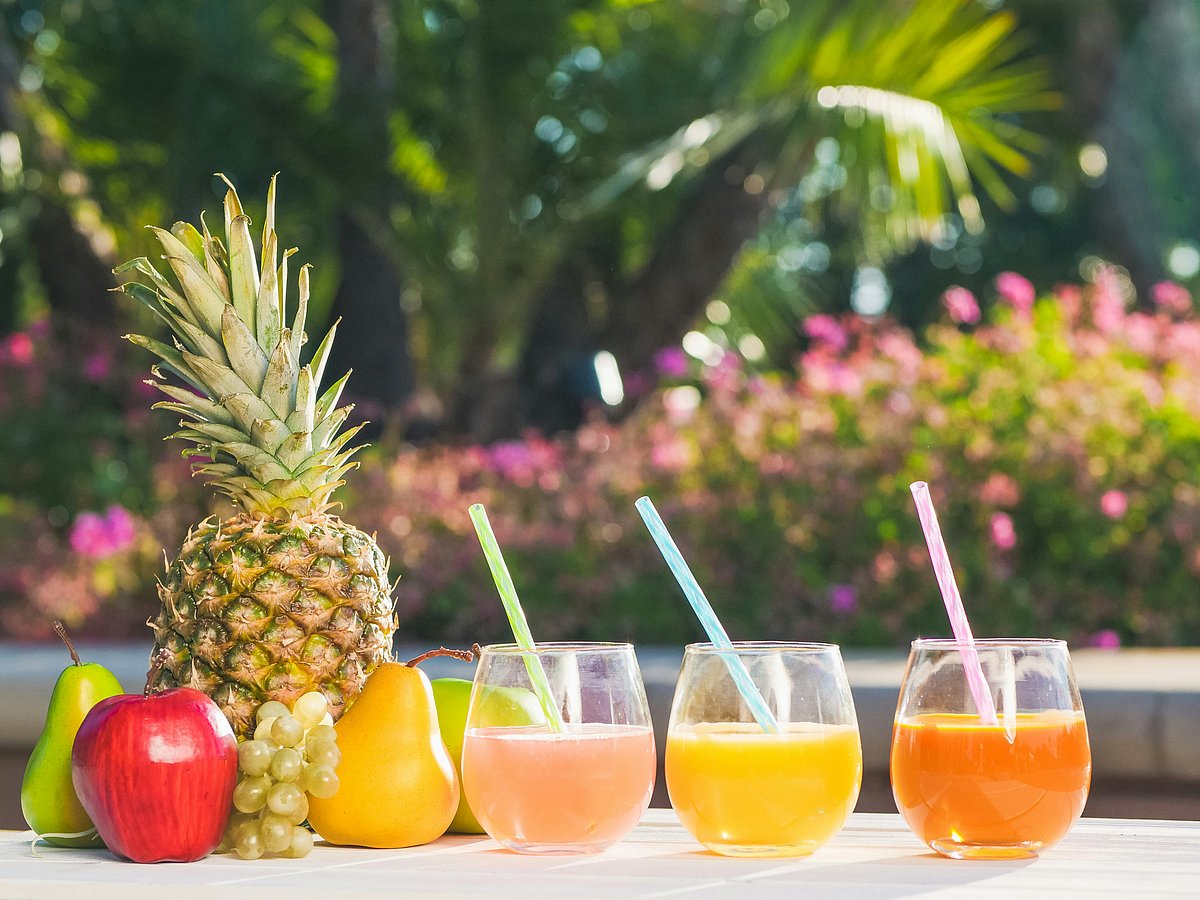
Claims such as ‘100% natural’, ‘real fruit’, ‘no preservatives’, or ‘energy boosting’ can create a strong perception of wellness, but they do not automatically mean the product is nutritionally balanced.
Pexels.com
Another day, another food dilemma. Can’t we eat anything anymore without a list of caveats as long as our arm?
Well, this time, it's fruit juice. And yes, you're right: It has always enjoyed a healthy reputation, as it should. It's colourful, refreshing and as most of us have always believed, it's packed with vitamins. So we grab the carton labelled '100 per cent fruit', order the freshly squeezed orange juice from the neighbourhood café and tell ourselves: Nutrition sorted for the day.
But how healthy is that glass, really?
The healthy-halo problem
When you walk through any supermarket beverage aisle, you might be greeted by a parade of reassuring claims: ‘Natural’, ‘detox’, ‘immune-boosting’, ‘real-fruit’, vitamin enriched and ‘no added sugar’. As comforting as they sound, those phrases don't always tell the full story.
Radhey Dubey, Founder of Nutrichef Cafe, Dubai, explains, “Consumers today are becoming increasingly health conscious, but many packaged juices marketed as ‘healthy’, ‘natural’, or ‘100 per cent fruit may still contain very high amounts of natural sugars, he says.
Moreover, perception and reality don’t always align in the beverage aisle, as Dr Shekhar Mehta, the CEO of Elara Health, explains. “Claims such as ‘100% natural’, ‘real fruit’, ‘no preservatives’, or ‘energy boosting’ can create a strong perception of wellness, but they do not automatically mean the product is nutritionally balanced," he explains.
In other words, the front of the pack may be doing the talking, but check the back, because that's where the real story is.
To identify healthier juice options, consumers should first check the ingredient list. A pure juice should ideally contain a single fruit or vegetable ingredient without added sugar, syrups, artificial flavours, or preservatives. Juice blends often combine multiple fruits, and while they may appear healthy, they can contain sweet fruits such as grapes, mangoes, or apple concentrates that significantly increase sugar content...
Radhey Dubey Founder - Nutrichef Cafe
Why reading the label matters
Most of us glance at calorie counts and move on. And that’s why, we need to look a little deeper. Dubey advises consumers to check ingredient lists carefully rather than relying on marketing claims. Ideally, a juice should contain a single fruit or vegetable ingredient without added sugars, syrups, artificial flavours or preservatives.
Another common trap: Assuming one bottle equals one serving."Many bottles contain multiple servings, meaning sugar intake may double or triple if the entire bottle is consumed," Dubey notes.
Furthermore, Dr. Mehta says serving-size confusion is one of the biggest reasons people underestimate how much sugar they're drinking. Instead of focusing only on the numbers listed per serving, he recommends comparing sugar values per 100ml to get a clearer picture of a product's nutritional impact.
People should also be wary of terms such as ‘fruit drink’, ‘fruit cocktail’, ‘nectar”'and ‘juice concentrate’, says Ragdha Ali, Clinical Dietitian and Nutritionist at Medcare Hospital Sharjah. Such products may contain added sweeteners, syrups or lower amounts of actual fruit than consumers expect.
What is cold-pressed juice?
According to a Harvard Health explanation from 2016: Cold-pressed juice is made by using hydraulic pressure to extract juice from fruits and vegetables rather than heat. The method has gained a wellness-world following because it may preserve more vitamins, minerals and plant compounds than heavily processed juices. However, it still strips away much of the fibre found in whole produce, meaning it can raise blood sugar levels faster and leave you feeling less full. In short: Nutritious, yes, but not a replacement for eating your fruits and vegetables.
One of the most important habits shoppers can develop is learning to read packaging beyond the marketing language on the front label. Claims such as ‘100 per cent natural’, ‘real fruit’, ‘no preservatives’, or ‘energy boosting’ can create a strong perception of wellness, but they do not automatically mean the product is nutritionally balanced. The ingredient list and nutrition panel provide a far more accurate picture of what consumers are actually consuming.
Dr Shekhar Mehta CEO of Elara Health
Juice versus whole fruit: Who wins?
If fruit juice and whole fruit were competing for the healthiest snack award, the whole fruit would almost certainly take the crown. The reason comes down to fibre.
As Ali explains, whole fruits are generally considered the healthier option as they contain fibre, which helps slow down sugar absorption and supports digestion. Juicing removes much of that fibre, leaving behind a drink that's often easier to consume quickly and in larger quantities. As a result, juice can raise blood sugar levels faster and may not keep you feeling satisfied for long.
Yet, that doesn’t mean juice is the antagonist of the piece: It just means, it shouldn’t replace fruit altogether. "Having juice occasionally is fine, but it should not completely replace fresh whole fruits in the diet," Ali adds.
Yet despite the fierce debates on social media, the science isn't quite as dramatic as either side would have you believe.
What studies say
A major 2024 umbrella review that analysed multiple systematic reviews and meta-analyses found that 100% fruit juice may offer some health benefits when consumed in moderation, including potential improvements in blood pressure, vascular health and inflammation markers. Most studies found no significant effect, positive or negative, on factors such as body weight, cholesterol levels, liver function or cancer risk.
Researchers noted that while 100 per cent juice contains less fibre and more free sugar than whole fruit, it also provides important nutrients and plant compounds, including vitamin C, potassium and antioxidants. The review concluded that the overall evidence does not support completely excluding 100% juice from healthy eating guidelines.
That said, experts stress that juice should complement, not replace, whole fruits. Fibre remains one of the biggest nutritional advantages of eating fruit in its natural form, helping slow sugar absorption and support digestion. For most people, the healthiest approach is moderation: choosing 100% juice without added sugars, watching portion sizes and prioritising whole fruits whenever possible.
The good, the bad and the sugary
While some juices can be surprisingly sugary, others can offer valuable nutrients when chosen carefully. As Dr Mehta notes, it is equally important to note demonise juices altogether.
When consumed in moderation, quality fruit and vegetable juices can contribute vitamins, antioxidants, potassium, folate and hydration-supporting minerals. Certain ingredients such as beetroot, berries, pomegranate, citrus fruits, spinach and turmeric have been linked to benefits ranging from improved circulation to reduced oxidative stress.
Dubey particularly recommends vegetable-forward options. “Vegetable-based juices such as amla, cucumber, spinach, bottle gourd, carrot, beetroot, and tomato juice are excellent options because they provide vitamins, antioxidants, and hydration with relatively lower sugar levels."
Fresh coconut water and lemon water can also be useful choices for hydration and electrolyte balance.
On the flip side, experts advise greater caution with naturally sweeter juices. According to Dubey, juices made from mango, grapes, lychee, chikoo and many packaged mixed-fruit blends can contain significant amounts of sugar and may not be ideal for people managing diabetes, weight concerns or metabolic disorders.
Does '100% fruit juice' automatically mean healthy?
It's one of the most common assumptions shoppers make, and one of the most misleading.
"Not necessarily," says Ali. While a "100% fruit juice" label generally means the product contains only fruit juice and no artificial flavourings, it can still contain substantial amounts of natural sugar and calories. Even without added sugar, portion size matters.
For people with diabetes, weight-management goals or children, regularly consuming large quantities of fruit juice may not be the healthiest choice.
So how much juice is too much?
Moderation is the word every expert keeps returning to.
Dubey suggests limiting even healthier juices to roughly 150–200ml per serving for adults. Ali similarly recommends treating juice as a small addition to a balanced diet rather than an all-day beverage.
Furthermore, children require even greater caution, since excessive juice intake can contribute to tooth decay, unwanted weight gain and reduced appetite for more nutrient-dense foods.
Water, experts say, remains the gold standard for hydration.
The final word
Fruit juices aren’t evil. Neither are they a health miracle. The healthiest approach lies somewhere in the middle: Choosing minimally processed options, paying attention to sugar content, watching portion sizes and remembering that whole fruits still offer benefits a juice bottle can't fully replicate.
Or, more simply: enjoy the juice, just don't let the label do all the thinking for you.
Network Links
GN StoreAbout Gulf NewsTerms & ConditionsReach by GNSitemapContact usPrivacy PolicyGN FocusHave your sayWork with usAdvertise with usGulf News epaperPrinting Services
Download our app
© Al Nisr Publishing LLC 2026. All rights reserved.