How UAE’s diversified property market is redefining investment and lifestyle
Regional real estate creates smarter, future-focused investment across UAE destinations
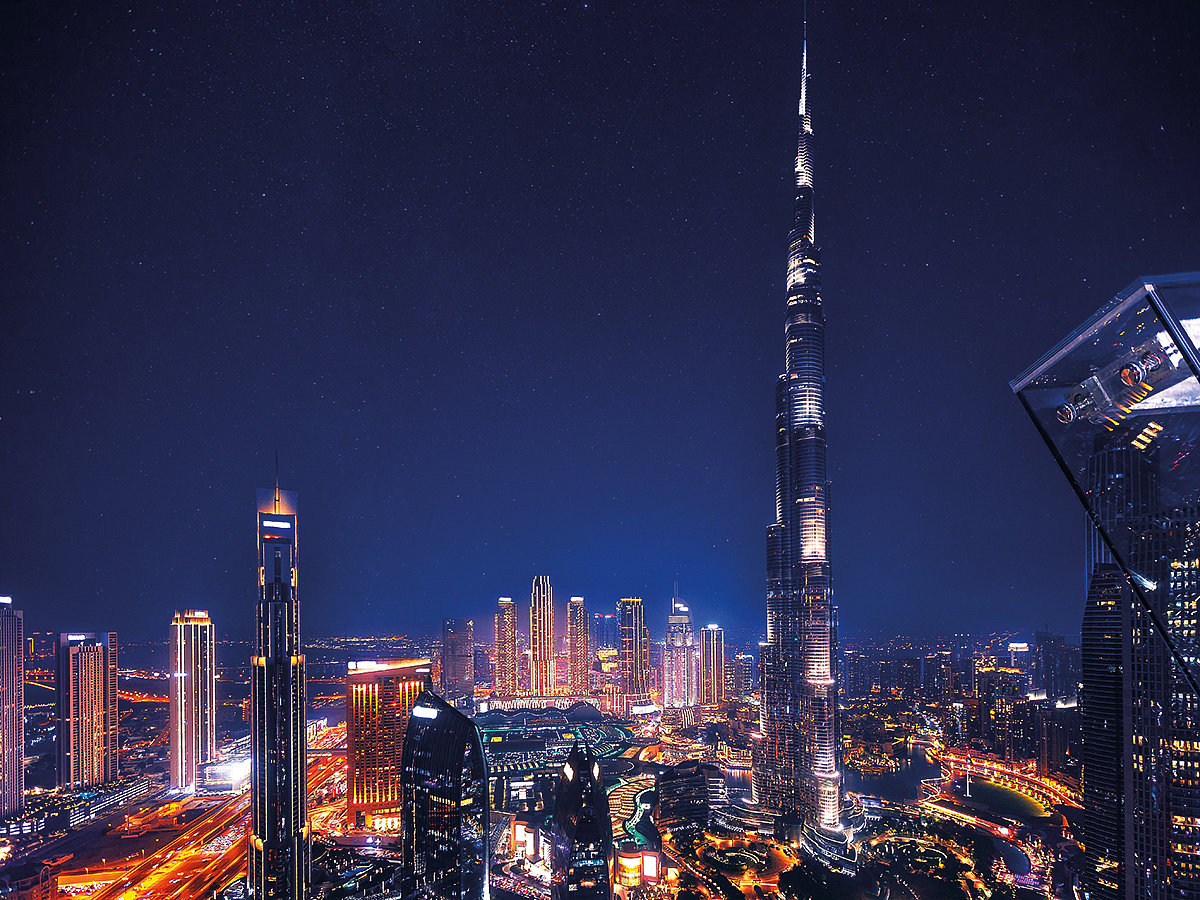
The cranes never really disappeared from the UAE skyline. They simply evolved into symbols of something much bigger. Across Dubai, Abu Dhabi, Sharjah, Ras Al Khaimah and emerging urban corridors around the region, real estate has moved beyond being a pure construction story. It is now deeply tied to lifestyle, mobility, sustainability, tourism, technology, and long-term economic transformation.
For investors watching the Middle East closely, the region’s property sector is entering a fascinating phase. Demand is no longer driven solely by speculative enthusiasm or short-term flips. Buyers today are increasingly strategic. They are searching for resilient assets, recurring income opportunities, future-ready developments, and locations capable of sustaining growth over decades rather than seasons.
Nowhere is this evolution more visible than in the UAE.
The country has spent years building a real estate ecosystem designed around confidence. Strong infrastructure, world-class connectivity, modern regulations, long-term residency pathways, business-friendly policies, and a globally connected economy have collectively created conditions that continue attracting international investors from Europe, Asia, Africa, and beyond.
What makes the UAE particularly compelling today is the diversification within the market itself. Luxury waterfront residences continue drawing global attention, but there is equal momentum in suburban communities, family-focused neighbourhoods, wellness-oriented developments, and integrated urban destinations designed around convenience and experience. Investors are no longer simply buying square footage. They are investing in ecosystems.
Communities that combine schools, healthcare facilities, retail districts, cycling tracks, green spaces, entertainment zones, and co-working environments are increasingly outperforming traditional standalone developments. Buyers are placing greater emphasis on liveability, community engagement, accessibility, and long-term lifestyle value.
Communities driving demand
This shift is transforming investment behaviour. Young professionals moving into the UAE are prioritising connected urban living. Families are seeking larger spaces in quieter master communities with better amenities. Entrepreneurs and digital nomads are exploring flexible living environments aligned with hybrid work culture. Retirees are entering the market seeking secure, high-quality lifestyles supported by healthcare and hospitality infrastructure.
As a result, the market has become far more layered and sophisticated.
Rental demand remains one of the strongest pillars supporting the sector. The UAE’s growing population, expanding business ecosystem, and steady inflow of global talent continue driving occupancy across multiple residential categories. Investors increasingly view rental-generating properties as reliable long-term wealth assets capable of delivering consistent returns while benefiting from capital appreciation.
Hospitality-linked real estate has emerged as another major trend shaping investor interest. Tourism across the UAE continues operating at remarkable scale. International exhibitions, sporting events, concerts, cultural attractions, luxury retail, culinary tourism, and business travel collectively support year-round visitor demand. This has created strong momentum for serviced apartments, holiday homes, branded residences, and short-term rental models catering to global travellers seeking flexible accommodation experiences.
The blending of hospitality and residential real estate is becoming particularly important. Modern buyers increasingly expect hotel-style services, concierge experiences, wellness facilities, co-working lounges, smart-home technologies, and curated lifestyle offerings integrated directly into residential developments. Real estate is no longer viewed merely as ownership. It is viewed as experience.
This evolution is also influencing commercial real estate. The office sector across the UAE is undergoing major transformation as companies rethink how people work and interact. Traditional office formats are giving way to flexible workspaces, innovation hubs, collaborative environments, and mixed-use business districts capable of supporting both productivity and employee well-being.
Demand for premium office environments remains strong, especially in locations offering connectivity, integrated retail, hospitality access, and proximity to transport networks. Businesses increasingly recognise that workplace quality plays a major role in attracting talent and strengthening organisational culture.
At the same time, industrial and logistics real estate is rapidly gaining importance. The UAE’s strategic geographic position connecting Asia, Europe, and Africa continues driving investment into warehousing, logistics parks, manufacturing facilities, and trade-focused infrastructure. E-commerce growth, supply chain diversification, and expanding regional manufacturing ambitions are further accelerating demand for logistics-driven property assets. For investors seeking diversification beyond residential assets, industrial real estate is emerging as one of the region’s most promising sectors.
Sustainability shapes strategy
Another defining characteristic of today’s market is sustainability. Environmental considerations are becoming central to modern development planning. Investors are increasingly evaluating projects through the lens of energy efficiency, smart mobility, water conservation, green building standards, and long-term environmental resilience. Developments integrating solar solutions, energy-saving technologies, pedestrian-friendly planning, electric vehicle infrastructure, and expansive green landscapes are attracting growing buyer attention. Sustainability is no longer viewed as a niche consideration reserved for premium developments. It is steadily becoming an expectation.
The UAE’s broader national focus on clean energy, climate resilience, and sustainable urban growth is reinforcing this direction. Developers capable of aligning with these priorities are positioning themselves strongly for the future.
Technology is reshaping the sector at every level as well. Artificial intelligence, predictive analytics, blockchain integration, virtual property tours, smart asset management systems, and digital transaction platforms are streamlining how investors discover, evaluate, purchase, and manage real estate. Buyers today expect speed, transparency, convenience, and access to real-time data. This growing digital sophistication is helping mature the market further.
Investors are becoming more analytical in their decision-making. Market performance metrics, occupancy patterns, rental yield analysis, demographic shifts, and infrastructure development plans are playing larger roles in investment strategies. Emotional buying still exists, but increasingly alongside data-driven evaluation.
Regional dynamics are also contributing to market momentum. Across the Gulf, countries are investing heavily in tourism, infrastructure, economic diversification, and urban development. These transformations are creating broader regional confidence that supports long-term real estate expansion. While each market operates differently, the UAE continues maintaining a unique advantage through its maturity, international accessibility, and regulatory agility.
The country’s ability to adapt quickly to global economic shifts remains one of its greatest strengths. During periods of global uncertainty, investors often prioritise stability, connectivity, and security. The UAE consistently positions itself as a destination capable of offering all three. Its airports connect major global markets. Its infrastructure ranks among the world’s most advanced. Its tax-friendly environment remains attractive to entrepreneurs and businesses. Its lifestyle proposition appeals to professionals and families alike. This combination continues supporting investor confidence even amid changing international economic conditions.
Beyond traditional hotspots
Another notable trend shaping the sector is the growing importance of secondary and emerging locations. Investors are increasingly exploring opportunities beyond traditionally dominant districts. Communities offering affordability, future infrastructure expansion, tourism potential, or lifestyle differentiation are attracting attention from buyers seeking stronger long-term upside.
Ras Al Khaimah, for example, has seen rising interest tied to tourism expansion, hospitality projects, and lifestyle-oriented developments. Sharjah continues strengthening its appeal through affordability, cultural identity, educational infrastructure, and growing residential demand. Abu Dhabi’s focus on culture, finance, technology, and sustainability is expanding opportunities across multiple asset classes. This geographical diversification is creating a healthier and more balanced regional property ecosystem.
The luxury segment, meanwhile, continues performing strongly, fuelled by global wealth migration and international investor appetite for premium residences in stable destinations. Waterfront villas, branded residences, ultra-high-end apartments, and exclusive lifestyle communities continue attracting affluent buyers seeking security, prestige, and global mobility advantages.
Yet even within luxury real estate, expectations are changing.
Buyers increasingly want privacy integrated with wellness. They seek architecture that emphasises natural light, green surroundings, sustainability, and intelligent design rather than simple scale and opulence. Wellness-driven amenities, private recreation spaces, and technology-enabled convenience are becoming central features within high-end developments.
Real estate financing trends are evolving too.
Banks and financial institutions across the region are becoming increasingly sophisticated in supporting property transactions, while regulatory improvements continue enhancing transparency and investor protection. International investors are also benefiting from improved accessibility to financing structures, digital transaction systems, and ownership pathways.
At the same time, developers are placing stronger emphasis on flexible payment structures, phased investment opportunities, and investor-friendly offerings designed to widen market participation.
The younger generation is influencing the market in important ways as well.
Millennials and Gen Z investors approach real estate differently from previous generations. They value mobility, sustainability, technology integration, and experience-driven communities. Many prefer properties capable of generating passive income while maintaining flexibility for relocation or future portfolio diversification.
This demographic shift is encouraging developers to rethink community planning, residential layouts, digital integration, and service offerings.
Urban design itself is changing
Future-focused developments increasingly prioritise mixed-use planning where residential, retail, hospitality, recreation, and business environments coexist within connected ecosystems. The idea of reducing commute times while enhancing quality of life is becoming a major urban planning priority.
Walkable communities, integrated transport systems, cycling infrastructure, waterfront activation, cultural spaces, and wellness-focused urban experiences are steadily shaping the next generation of regional developments.
For investors, this creates opportunities extending far beyond traditional property ownership.
Real estate today intersects with tourism, logistics, sustainability, retail, hospitality, technology, healthcare, education, and infrastructure. Understanding these broader economic connections is becoming increasingly important when evaluating future market potential.
The strongest opportunities are often found not simply where buildings rise, but where ecosystems evolve.
The UAE’s continued ambition also plays a major role in sustaining investor optimism.
The country consistently positions itself at the forefront of innovation, infrastructure expansion, economic diversification, and global competitiveness. Major transport projects, tourism initiatives, industrial expansion plans, sustainability strategies, and digital economy investments all contribute indirectly to strengthening real estate demand across multiple sectors.
This interconnected growth story gives the market long-term depth.
For prospective investors, perhaps the biggest takeaway is that the region’s property market is no longer defined by a single narrative. It is dynamic, diversified, and increasingly sophisticated. Residential, commercial, logistics, hospitality, mixed-use, wellness-oriented, and sustainable developments are all contributing to a broader transformation taking place across the UAE and the wider Gulf.
The skyline may still capture global attention. But increasingly, the real value lies in what is being built beneath it - connected communities, future-ready infrastructure, resilient economies, and investment ecosystems designed for long-term growth.
For investors willing to think strategically and look beyond short-term cycles, the opportunities ahead may prove far more expansive than the towers themselves.
Sign up for the Daily Briefing
Get the latest news and updates straight to your inbox
Network Links
GN StoreDownload our app
© Al Nisr Publishing LLC 2026. All rights reserved.