Dubai Fintech District set to launch as startup-focused hub led by Web3 founder Hatu Sheikh
Initiative part of effort to build long-term financial infrastructure in the Middle East
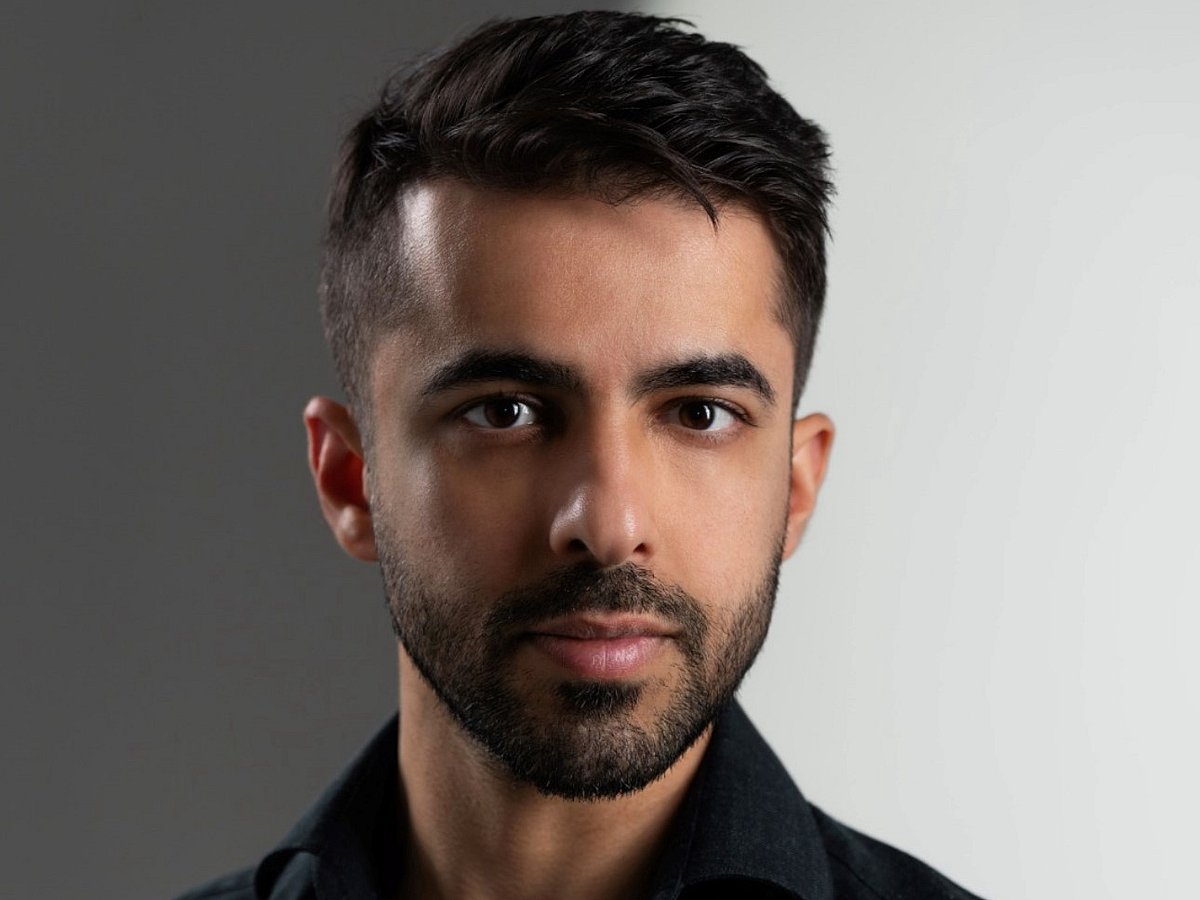
Dubai is preparing to launch a new startup-focused commercial hub with the development of Dubai Fintech District, a nearly 250,000-square-foot project designed to support fintech, Web3, and digital asset companies operating in the region. The initiative is being led by Hatu Sheikh, the founder of CoinTerminal, as part of a broader effort to build long-term financial and innovation infrastructure in the Middle East.
The district is expected to come online ahead of 2026 and is being positioned as a purpose-built environment for early-stage and growth companies. Planned features include open-plan workspaces, shared collaboration areas, and a campus-style layout intended to encourage interaction among teams. The development aims to address what its backers see as a gap between traditional corporate office environments and the needs of modern startups.
According to Sheikh, physical proximity remains an essential component of innovation, even in digital-first industries. “Startups more than corporations need that physical presence to generate what I call brain melt,” he said. “Ideas need to flow in a seamless way.”
While fintech and Web3 companies increasingly operate across borders, Sheikh argues that early-stage teams still benefit from shared spaces that support training, rapid feedback, and collaboration, particularly in regions attracting young and international talent.
Sheikh’s involvement in the project follows more than a decade building crypto-native platforms focused on capital formation and access. He is best known for founding CoinTerminal, an open-access crypto launchpad designed to remove token-gating and staking requirements that had become common across the industry. Unlike many comparable platforms, CoinTerminal charges users only when they generate profit, a model intended to lower barriers for retail participants and encourage broader on-chain participation. The platform has since grown to more than 650,000 users and facilitated over $80 million in token distribution.
As Sheikh’s work has expanded, so has his geographic focus. His decision to build in Dubai predates the city’s rise as a global Web3 hub and was driven by access to talent, regulatory clarity, and early engagement with digital asset policy. Dubai’s position between Asian and European markets, combined with its multilingual workforce, has made it an increasingly attractive base for fintech founders.
“Talent is one of the most important, if not the most important when choosing where to build a company,” Sheikh said. “Dubai gives you a very multicultural pool of individuals that are both young and hungry.”
Dubai Fintech District is part of a wider slate of projects Sheikh is planning through 2026. Alongside the physical development, he is also working on a new consumer-focused product.
Together, the initiatives reflect a shift away from token-centric experimentation toward infrastructure designed to support real-world financial use. As the Middle East continues to attract fintech and digital asset firms, developments such as Dubai Fintech District highlight growing efforts to pair regulatory progress with the physical and technical foundations needed to sustain long-term growth.
Sign up for the Daily Briefing
Get the latest news and updates straight to your inbox
Network Links
GN StoreDownload our app
© Al Nisr Publishing LLC 2026. All rights reserved.