From desert silence to feeding nations: How Mohammad Rehman and Samsons Group changed the stakes of farming in Pakistan
Group turned desert acreage into working farmland at a scale few had attempted
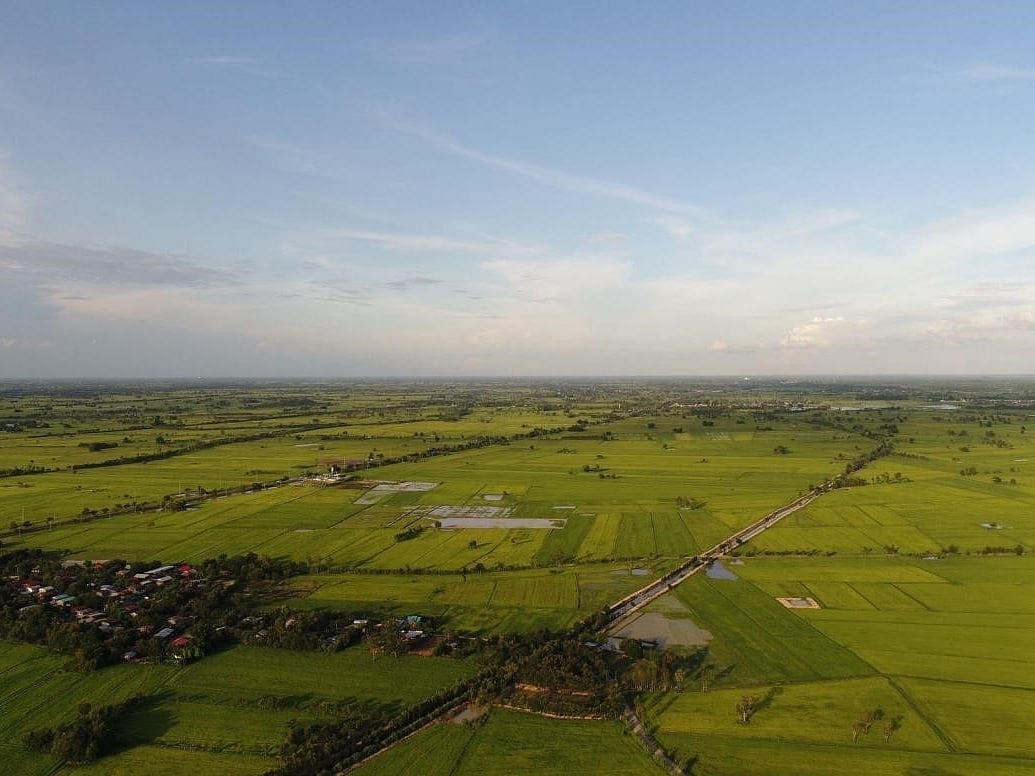
Dust once ruled the land where Samsons Farms now stands. Heat pressed down. Wind erased tracks by nightfall. Food grew elsewhere, while this stretch of Pakistan stayed written off. Today trucks roll out with animal feed bound for the Gulf. Irrigation arms sweep fields that used to crack underfoot. Cattle graze where maps once showed little promise.
Samsons Group did not arrive with slogans. It arrived with machinery, patience, and a refusal to accept the limits placed on Pakistani agriculture. Under Mohammad Rehman’s direction, the group turned desert acreage into working farmland at a scale few had attempted. Six to seven thousand acres now carry crops, forage, and livestock. Buyers from Pakistan, the Middle East, China, and Central Asia watch closely.
Rehman speaks plainly about the stakes. “If Pakistan wants food security and export strength, farming has to grow up,” he says. “Big ideas fail without discipline on the ground.”
Land that refused to stay barren
Early visitors often struggle to reconcile what they see with what stood there before. Central pivot irrigation lines cut circles across fields fed by solar energy. Water use stays controlled. Output stays steady. Rhodes grass, thick and green, dominates the view. Royal Rhodes Grass carries high nutritional value and sells strongly across domestic and export markets, where livestock owners prize consistency.
The work demanded scale. Samsons Group expanded crop cultivation, seed production, and livestock rearing side by side. Disease-free seeds from Samsons Seeds give farmers stronger yields. Grass-fed cattle under the Cool Meat banner supply urban markets where buyers worry about quality and traceability. Each arm feeds the next. Loss stays low. Supply holds firm across seasons.
Rehman frames the effort as practical rather than poetic. “Farming fails when supply breaks trust,” he says. “Consistency keeps buyers coming back.” Trade records reflect that view, with hundreds of documented import and export transactions and repeat partners across regions.
An agricultural model with consequences
Food production in Pakistan often faces skepticism abroad. Quality swings. Volume wavers. Samsons Group pushed against that reputation through repetition and control. Solar energy supplies most operational needs. Organic waste cycles back into fertilizer and biogas. Sun curing replaces wood-burning methods where possible, easing pressure on forests.
Community impact followed. Jobs grew around farming, logistics, and processing. Skills stayed local. Women and young workers entered roles tied to modern agriculture rather than subsistence labor. Water filtration and health initiatives appeared near farm sites, tying output to daily life rather than distant balance sheets.
Such moves matter beyond profit. Export buyers face rising pressure to source responsibly. Samsons Group offers traceable supply from soil to shipment. Government officials and trade delegations have taken notice, visiting sites once dismissed as inhospitable.
A business that refused small thinking
Samsons Group operates as more than a single farm. Divisions span seeds, fodder, livestock, meat, and trading. That breadth steadies revenue while keeping control centralised. Competitors often focus on one link in the chain. Samsons Group holds several, reducing exposure to market shocks.
Ambition runs higher still. Rehman speaks of representing Pakistan on the global agricultural stage, not through rhetoric but through shipments that meet demand without apology. Expansion across MENA, China, and Central Asia continues, with forage and livestock leading the charge.
Skepticism lingers in an industry shaped by decades of stalled reform. Yet the fields tell their own story. Where sand once ruled, crops rise. Where imports once filled gaps, exports now depart. Farming here shifted from survival to scale.
“The land gave nothing at first,” Rehman says. “Work changed that.”
Sign up for the Daily Briefing
Get the latest news and updates straight to your inbox
Network Links
GN StoreDownload our app
© Al Nisr Publishing LLC 2026. All rights reserved.