Speech-less at the academy
This year, Oscar winners will have just 45 seconds at the podium
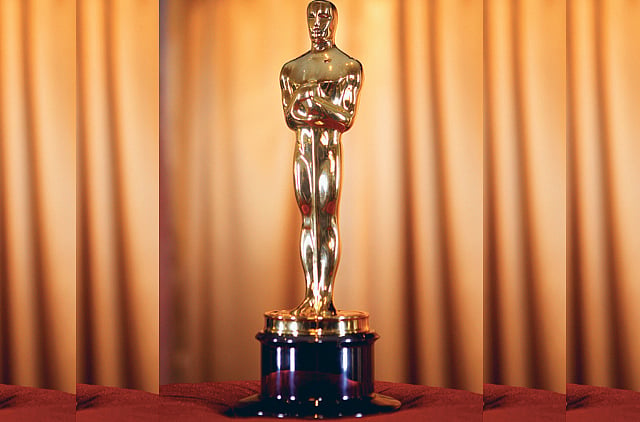
It's the moment millions of Brits reach for the mute button on the TV remote; the moment drama teachers, long-serving postmen, pet psychiatrists, greengrocers and sound directors' second assistants the world over turn up the volume, desperate to be given a mention in that crucial "I owe it all" moment. This year, however, the organisers of the Academy Awards have called time on acceptance speeches, and will, on March 7, be enforcing a 45-second cut-off policy.
The idea, says Oscars co-producer Bill Mechanic, is a straightforward attempt to curtail "the single most hated thing on the show". And few can dispute that the annual ceremony — which has, to many of us, become a four-hour mockathon — has staged some cataclysmically ill-judged speeches.
Behind the scenes footage from last year’s Oscars:
There was Jack Palance doing push-ups off the lectern, Tom Hanks outing his high-school drama teacher, Julia Roberts laughing like a jackal being tickled by a feather duster and Gwyneth Paltrow and Halle Berry disintegrating into lachrymose sentimentality. There is a reason that actors have their lines written out for them but are their speeches really "hated"? Not necessarily.
Pelting moments
Euphoria, of course, rarely translates. And it tends to provoke instant antipathy. Something about celebrities from the worlds of music, television or film being publicly exalted prompts the desire to reach for the nearest bowl of fruit and pelt away. Then there's the fact that these are actors, a peculiar breed of human beings able to stand beneath a sprinkler and say with a straight face "Is it raining? I hadn't noticed," yet congenitally incapable of holding it together when being recognised by their peers and performing without a script.
The organisers of this year's Oscars were so concerned to avoid the traditional car-crashes that, at the annual nominees lunch in Beverly Hills, guests — including George Clooney, Sandra Bullock, Meryl Streep and Jeff Bridges — were given tips on how to use those precious 45 seconds to their advantage, even being treated to a quick hit of aversion therapy with a video of past Hollywood halfwits doing their business on the podium.
Famous blunder
Included on this tape of shame was Renee Zellweger's lecture on receiving the Best Supporting Actress award in 2004 for her portrayal of a tough farm girl in Cold Mountain — which was read out from a sheet of notes — and seemed to last almost as long as Anthony Minghella's epic. The nominees were instructed to "share your passion on what the Oscar means to you".
Wasn't Halle Berry's brain positively eroded by passion when she dedicated her award for Monster's Ball to "every nameless, faceless woman of colour", thanking the Academy "for choosing me to be the vessel for which His blessing might flow"?
Then there are the marvellously inappropriate juxtapositions of tone, as epitomised by James Cameron, who asked for a few seconds of silence for the 1,500 who died aboard the Titanic and shouted: "Now let's party until dawn!" Passion is precisely what needs to be quashed at award ceremonies.
Still, take away the flamboyant emoters, the 35-minute rant by a bongo-playing Himalayan indie scriptwriter quoting the Dalai Lama and the actresses, keen to flaunt their underprivileged backgrounds (to the great surprise of their parents) and what are you left with? Not the four-hour Sunday night circus we know and relish. There are a rare few able to collect their awards with grace and wit. Who can forget Roberto Benigni, the Italian director who clambered over the seats of the Kodak Theatre when accepting his award for Life is Beautiful, in the first show of non-choreographed spontaneity audiences had witnessed in years?
Screenwriter Frederic Raphael was stylish enough to send someone else to pick up his Darling Oscar for him. "I sent an actress to do it. The important thing to remember is that it's the kind of millstone that's adorned all kinds of necks," he says.
"The fun of winning the Oscar is the same as that experienced by the Frenchman when he is eating a good meal: not only is he getting what he wants but his enemy isn't," he adds.
Acceptance etiquette
That competitive spirit, says the etiquette advisor for Debrett's, Jo Bryant, needs to be well disguised. "There should never be any gloating during acceptance speeches and only appropriate levels of emotion should be shown," she says.
"Traditionally, British people have always been restrained but are beginning to become more Americanised in our speeches. At the Brit Awards recently, people were doing the usual thing of reeling off lists of names, none of which the audience was familiar with — which is impolite. An acceptance speech shouldn't be self-indulgent as it is partly about entertainment," she says.
Bad influence
As the pinnacle of award ceremonies, Bryant says, the Oscars set far-reaching trends that are able to affect the way ordinary people behave at everything from business events to weddings. "Everyone wants to make a speech nowadays. At weddings there used to be just the standard three speeches but now everyone from the bride to the bride's mother wants to get up and say something. Sadly, this is often more for the speech-giver's benefit than anyone else's."
Out of sympathy for those suffering from verbal or emotional incontinence, the people from the Academy have provided a special facility: a backstage "thank-you cam" on which winners can gush and drone and drone and gush. This veritable Lord of the Rings of acceptance speeches will then be posted on the internet, for the amusement of us all and the aid of insomniacs the world over.
Sign up for the Daily Briefing
Get the latest news and updates straight to your inbox
Network Links
GN StoreDownload our app
© Al Nisr Publishing LLC 2026. All rights reserved.