Sniff out those sneaky sugars
Myriad of health concerns surrounding the sweet stuff are being revealed, Susan Griffin investigates
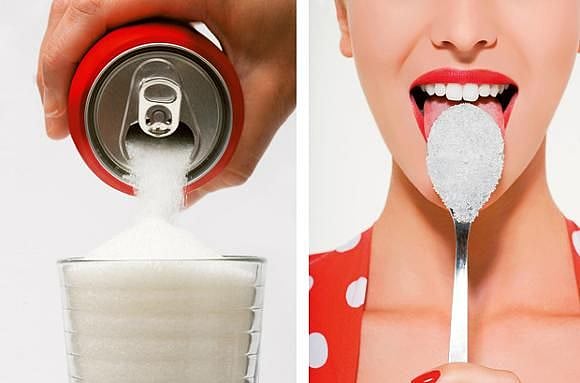
There’s no point sugar-coating the facts; we’ve got an obesity crisis on our hands. With delicious but calorific food in Dubai ready to be delivered to our desk or door 24/7 and dining out so high on the socialising menu, it’s easy to see why people slip up on their good intentions.
Life is too short to deny ourselves all foodie delights, but there’s a serious side; the UAE was the fifth most overweight nation in the world according to a study published by a BMC Public Health Journal in 2012.
Sugar is increasingly being blamed as one of the key culprits in this worrying epidemic. According to the World Health Organization, at least 2.8 million people are dying each year as a result of being overweight or obese, with worldwide obesity levels doubling since 1980.
But it’s not just the frosty coating on a doughnut, or the number of teaspoons of the white stuff you add to your cups of tea that’s the problem.
The biggest cause for concern is hidden sugar, the – sometimes vast – quantities that’ve been heaped into seemingly ‘non-treat’ foods and drinks to add flavour and sweetness. Because despite consumer and various governments’ pressure on manufacturers to label foods more clearly, it’s still not always possible to know (unless you’ve done a lot of homework beforehand) what’s sugar-laden and what’s not. As a result, according to the BMC Public Health Journal’s report, the average UAE adult consumes more than 3,000 calories a day, significantly higher than the recommended 2,500 calories for men and 2,000 for women.
Thanks to recent publicity on the harmful effects of sugar reports, many of us now know that a single can of fizzy drink contains seven to nine teaspoonfuls of sugar. And, although it’s been said a million times, cutting out soft drinks can make a big difference as often they are laden with sugar and empty calories. Don’t be fooled by ‘sports’ or ‘performance-enhancing’ drinks either. “These provide no nutritional value and only give you a spike in energy followed by a drop,” says Dalia.
But it’s not simply a case of cutting out the obvious suspects like sodas, chocolate and cakes from your diet. There’s a whole heap of hidden nasties lurking in our food these days.
“Most people are wise to the products that contain high sugar levels, however, they may not be aware just how much they are consuming,” says British nutritionist Zoe Frith.
The British Government’s Scientific Advisory Committee on Nutrition is recommending that around 5 per cent (down from 10 per cent) of people’s daily energy come from free sugars (those added to food or contained in fruit juices, honey, syrups and sweetened drinks). That would amount to 25g of sugar for women and 35g, or seven to eight teaspoonfuls, for men.
Upping your fresh fruit and veg intake is a no-brainer but, as Dalia notes, the benefits shouldn’t be underestimated. “Fresh fruits and vegetables are the most nutrient-dense foods in the diet, providing more nutrition per calorie than any other kind of food.”
But we all know it’s not always possible to dine out on superfoods. So it is crucial you know exactly what sugar really goes into what, so the chairman of Action on Sugar, British Prof Graham MacGregor, warns of some of the worst culprits you need to be wary of. “So focused are we on opting for the ‘healthy’ option that we don’t take the time to read the label properly.” He gives some examples from his local supermarket shelves: Yeo Valley Zer0 Per Cent Fat Vanilla Yoghurt contains the equivalent of five teaspoons of sugar and the Muller Crunch Corner Strawberry Shortcake Yoghurt fares even worse with six teaspoons. He adds, “When time is of the essence, most of us will pop into a coffee shop for a quick pick-me-up but without realising what sugar high we’re setting ourselves up for. The Starbucks Caramel Frappuccino with whipped cream, and skimmed milk, contains the equivalent of 11 teaspoons of sugar.
“You might think water is a much safer option – and you’d be right if you kept it plain and simple, but Coca-Cola’s Glaceau Vitaminwater Defence was found to have the equivalent of four teaspoons of sugar, that’s the same as a bowl of Kellogg’s Frosties (with semi-skimmed milk).
“We might already associate quick and easy ready meals with dubious amounts of salt, but sugar is hiding in there too. For instance, Sharwood’s Sweet And Sour Chicken With Rice contains the equivalent of six teaspoons of sugar (the same as Cadbury’s Hot Drinking Chocolate); Heinz Classic Tomato Soup has four; Ragu Tomato And Basil Pasta Sauce comes in at three and Pot Noodle Curry King Pot two.”
Still think sugar is sweet? No, it all leaves rather a sour taste.
Sign up for the Daily Briefing
Get the latest news and updates straight to your inbox
Network Links
GN StoreDownload our app
© Al Nisr Publishing LLC 2026. All rights reserved.