The Art of Skin Recovery: How to plan and schedule treatments for maximum effectiveness
Recovery, treatment depth and your skin’s history should guide every appointment
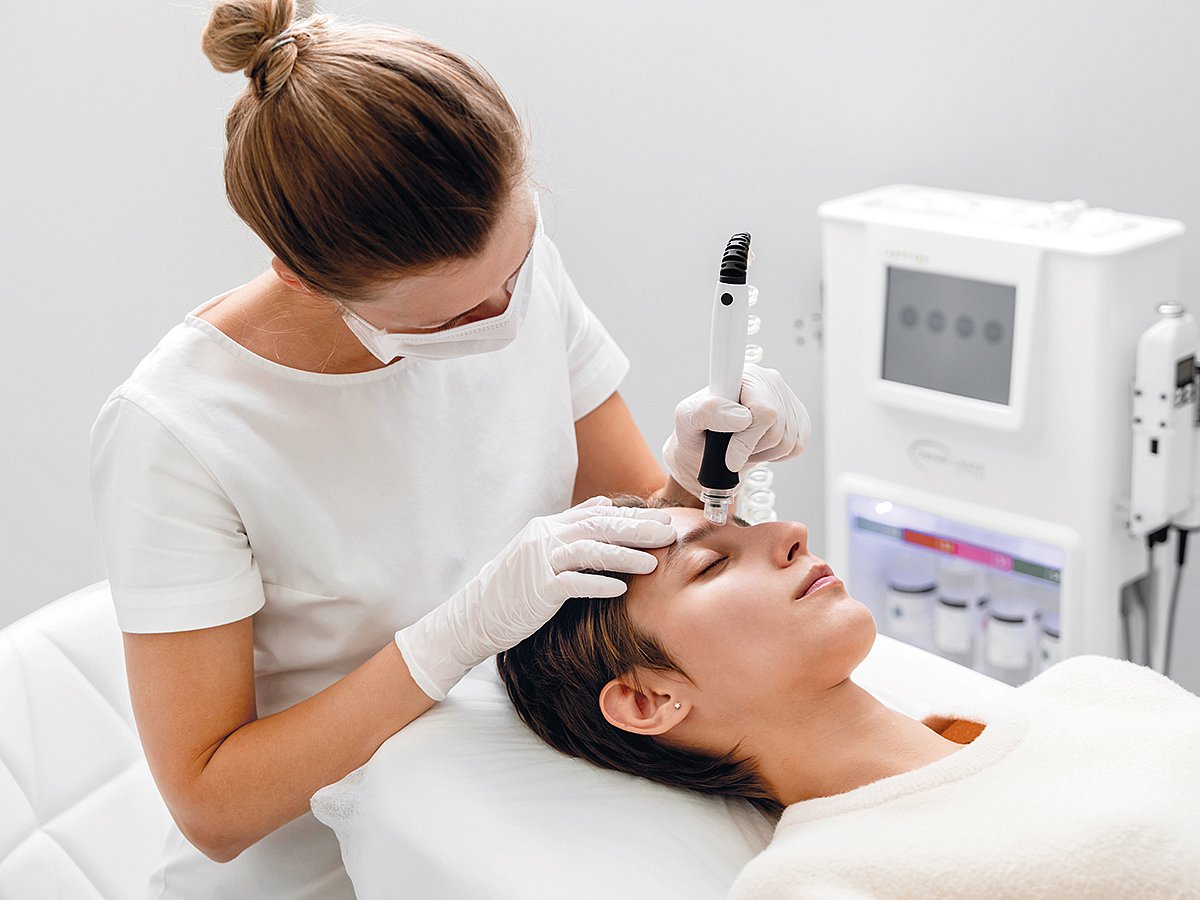
A chemical peel on Friday, microneedling the following week and filler before a party can look manageable in a diary. Each appointment carries its own recovery demands, and combining procedures requires an understanding of how they affect the same area of skin. The planning begins with identifying what you want to improve, assessing your skin and agreeing on a sequence with a qualified doctor.
“You should know as much about the procedure as possible,” says US dermatologist Dr Thomas E. Rohrer in guidance published by the American Academy of Dermatology (AAD). That includes understanding the reasons for each treatment and the recovery it requires.
Start with your skin’s history
Bring a record of previous procedures to the consultation, including dates, treatment areas and the names of any injected products. Tell the doctor about prescription medicines, supplements, skincare products, cold sores and any tendency to develop raised scars or pigmentation after inflammation.
The AAD’s preparation guidance for chemical peels specifically asks patients to disclose previous cosmetic treatments and a history of cold sores. Mayo Clinic also highlights medical history, medicines and previous resurfacing when assessing suitability for laser treatment. These details can affect preparation, treatment choice and recovery planning. Explain your practical commitments, too. A beach holiday, outdoor work or an important event can influence the proposed schedule, particularly when recovery requires careful sun protection.
Understand the recovery window
The word “peel” covers procedures with markedly different healing times. According to the AAD, a light peel generally takes one to seven days to heal, a medium peel seven to 14 days, and a deep peel 14 to 21 days. Medium peels can cause swelling, blistering and crusting, while deeper procedures require more intensive aftercare.
Laser treatment also needs a precise description. Ablative resurfacing removes the skin’s outer layer; non-ablative treatment heats underlying tissue. Mayo Clinic says new skin usually covers an area treated with ablative resurfacing within seven to 10 days, with full recovery taking at least a month. Non-ablative recovery is generally much shorter.
Ask the doctor to distinguish between returning to work, applying make-up and being ready for another procedure. A recovery estimate belongs to the specific treatment performed; the next appointment needs a separate assessment.
Allow microneedling time to work
Microneedling creates controlled punctures that stimulate collagen production. The AAD says redness, burning or swelling usually settles within a few days to a week, and advises waiting 24 hours before applying make-up. Improvement develops gradually, with full results often taking several months.
“We can use all of these modalities so that, acting together, they treat the whole face,” says Cleveland Clinic dermatologist Dr Shilpi Khetarpal, discussing combinations involving PRP microneedling and injectables. The consultation should establish which procedures serve your particular concerns.
Confirm whether the proposed treatment uses ordinary microneedling or radiofrequency microneedling, which adds heat. In October 2025, the US Food and Drug Administration warned of reported serious complications with certain uses of RF devices, including burns, scarring, fat loss and nerve damage. Ask about the device and the practitioner’s training.
Check every proposed combination
There is no single waiting period that covers every combination of peel, laser, microneedling and injectable. Treatment intensity, the area involved, existing filler and your response all require consideration.
Published expert recommendations support selected combinations of hyaluronic acid filler and laser or light treatment on the same day. One consensus paper recommends performing the light treatment first in the combinations it considers. Its evidence largely involves small studies and specified filler products, which limits how broadly the findings apply.
Ask the doctor to explain the proposed order and interval for your exact procedures. If different clinics are involved, give each practitioner the complete treatment record and request a coordinated plan.
Botulinum toxin and dermal fillers have different purposes and timelines. The AAD says many people notice botulinum toxin results within three to seven days. Filler can cause bruising and swelling that takes days to weeks to resolve, according to the FDA. Allow time for reassessment before an event or further treatment.
Leave with clear instructions
Request a written schedule covering preparation, aftercare, follow-up and the conditions that would postpone another procedure. Ask when to resume retinoids, exfoliating acids, makeup and exercise, and whom to contact if recovery changes.
Your consultation should also cover expected results, total costs and the practitioner’s experience treating your skin tone. After filler, unusual pain, vision changes or white, grey or blue skin near the injection site require immediate medical attention. Keep the clinic’s contact details with your aftercare instructions.
Sign up for the Daily Briefing
Get the latest news and updates straight to your inbox
Network Links
GN StoreDownload our app
© Al Nisr Publishing LLC 2026. All rights reserved.