Skin longevity, not anti-ageing: The science of collagen, protection and repair
From sunscreen to collagen treatments, skin longevity science is becoming clearer
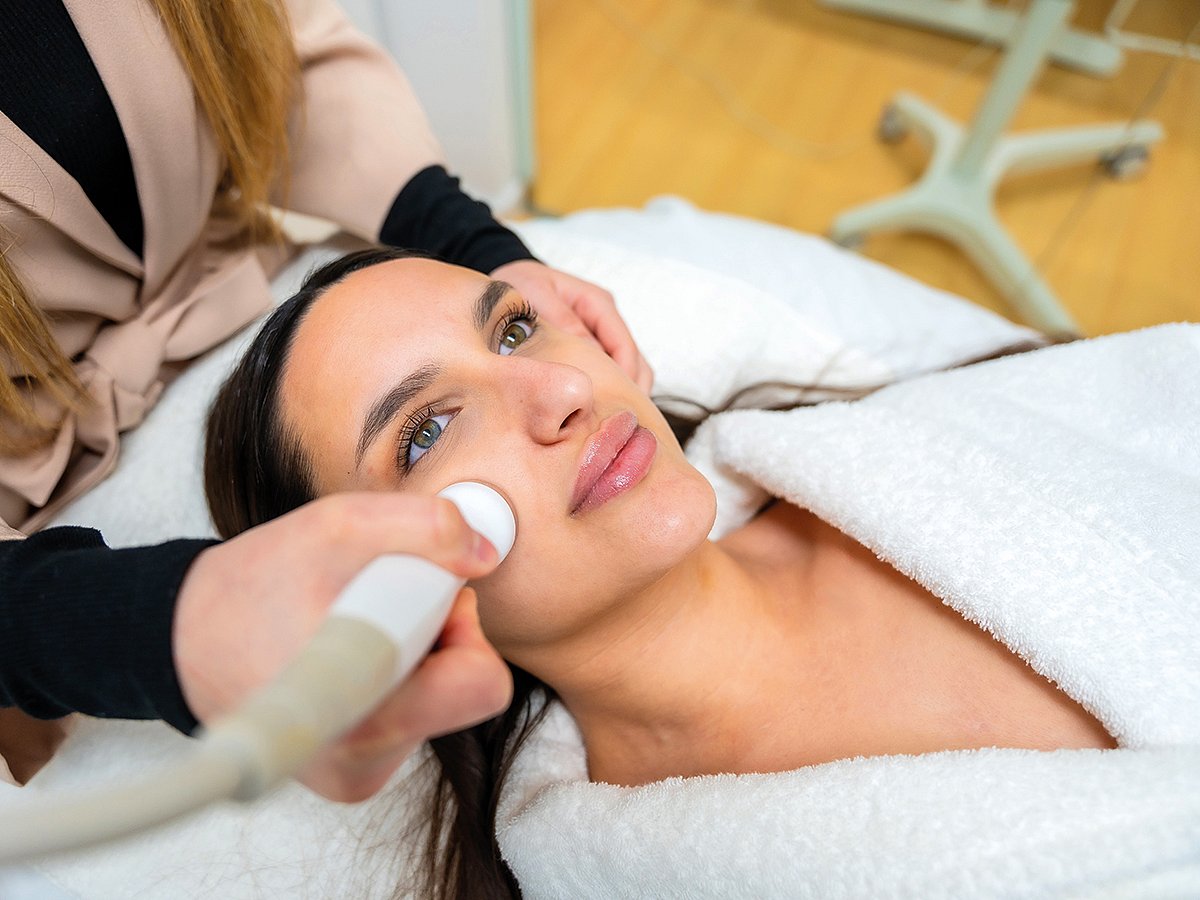
Skin longevity begins with a simple idea: help the skin retain its strength, resilience and ability to repair itself for as long as possible. The term has replaced much of the old language around “anti-ageing”, reflecting a wider shift towards preserving function and skin health. The question is no longer whether they can stop time. It is whether they can protect collagen, support renewal and improve the way skin behaves as it matures.
Collagen gives skin much of its firmness and structure, while elastin allows it to stretch and recover. Natural production declines with age, and ultraviolet radiation accelerates its breakdown. Hormonal changes, pollution, smoking and repeated inflammation can also affect the skin’s support system.
Several ingredients and clinical treatments can influence this process. Their results vary in scale, though the science points to a clear hierarchy.
Sunscreen protects existing collagen
The most effective skin-longevity routine begins with daily sun protection. Ultraviolet radiation creates free radicals, damages collagen fibres and contributes to wrinkles, loss of elasticity and uneven pigmentation.
The American Academy of Dermatology recommends a broad-spectrum, water-resistant sunscreen with SPF 30 or higher. Broad-spectrum protection covers UVA rays, which penetrate more deeply and play a major role in premature ageing, along with UVB rays, which cause sunburn.
“Daily sun protection is the most effective anti-aging measure available,” dermatologist Dr Laura Hester tells VCU Health.
The amount applied determines how closely the product performs to its stated SPF. The face, neck, ears and backs of the hands all require coverage. Reapplication is important during prolonged outdoor exposure, exercise or swimming.
Retinoids stimulate renewal
Retinoids remain the most thoroughly studied topical ingredients for improving visible signs of skin ageing. Derived from vitamin A, they encourage cell turnover, stimulate collagen production and help soften fine lines and uneven pigmentation.
Prescription tretinoin has the strongest clinical evidence. Retinaldehyde and retinol are available in cosmetic products and tend to be easier for beginners to tolerate.
Dr Rosalind Simpson of the University of Nottingham tells The Guardian that retinoids are “some of the few ingredients consistently proven to improve signs of ageing”. She explains that regular use encourages collagen production in the dermis and gradually thickens this deeper layer of skin. The Guardian.
Results take several months, and consistency matters. A small amount applied every two or three nights gives the skin time to adjust. Frequency can increase gradually, supported by a gentle cleanser and moisturiser.
Peptides offer gentler support
Peptides are short chains of amino acids that act as messengers within the skin. Different types perform different functions. Some signal the skin to produce collagen, while others support hydration, barrier repair or healing.
A 2026 systematic review and meta-analysis found that topical and oral peptide-based treatments produced improvements across several measures of skin ageing. The formulations and study periods differed, so results cannot be applied equally to every peptide product. The findings still support peptides as a useful category with growing evidence.
Peptides are generally well tolerated and can be used alongside moisturisers, antioxidants and retinoids. They may suit people whose skin cannot manage frequent retinoid use. Their gentler action also makes them valuable in routines designed around long-term consistency.
A product should identify the peptides it contains instead of relying on the word alone.
Palmitoyl peptides, copper peptides and signal peptides have different proposed functions, concentrations and levels of supporting research.
Vitamin C supports collagen and protection
Topical vitamin C performs two useful roles. It acts as an antioxidant, helping the skin manage free-radical damage caused by ultraviolet exposure and pollution. It is also required for the biological process through which the body produces collagen.
L-ascorbic acid is the most studied form. Its effectiveness depends on concentration, acidity, packaging and stability. Light and air can degrade the ingredient, so dark or opaque packaging provides better protection.
Microneedling activates repair
Microneedling uses fine needles to create controlled micro-injuries in the skin. The resulting repair response encourages the production of collagen and elastin. It is used for acne scars, fine lines and uneven texture.
Radiofrequency microneedling adds heat at selected depths, creating a stronger tissue-remodelling response. A 2025 study found improvements in wrinkles, pigmentation, hydration and other image-measured skin characteristics 30 days after treatment. The researchers described home skincare as an important factor in supporting the result. Frontiers in Medicine
The quality of the outcome depends on the device, settings, treatment depth and experience of the practitioner. The US Food and Drug Administration advises that radiofrequency microneedling should be treated as a medical procedure and performed by a licensed professional trained in the device.
Sign up for the Daily Briefing
Get the latest news and updates straight to your inbox
Network Links
GN StoreDownload our app
© Al Nisr Publishing LLC 2026. All rights reserved.