Mission Play: Reviving childhood imagination beyond screens
In a screen-heavy world, balanced play brings back movement, creativity, and connection
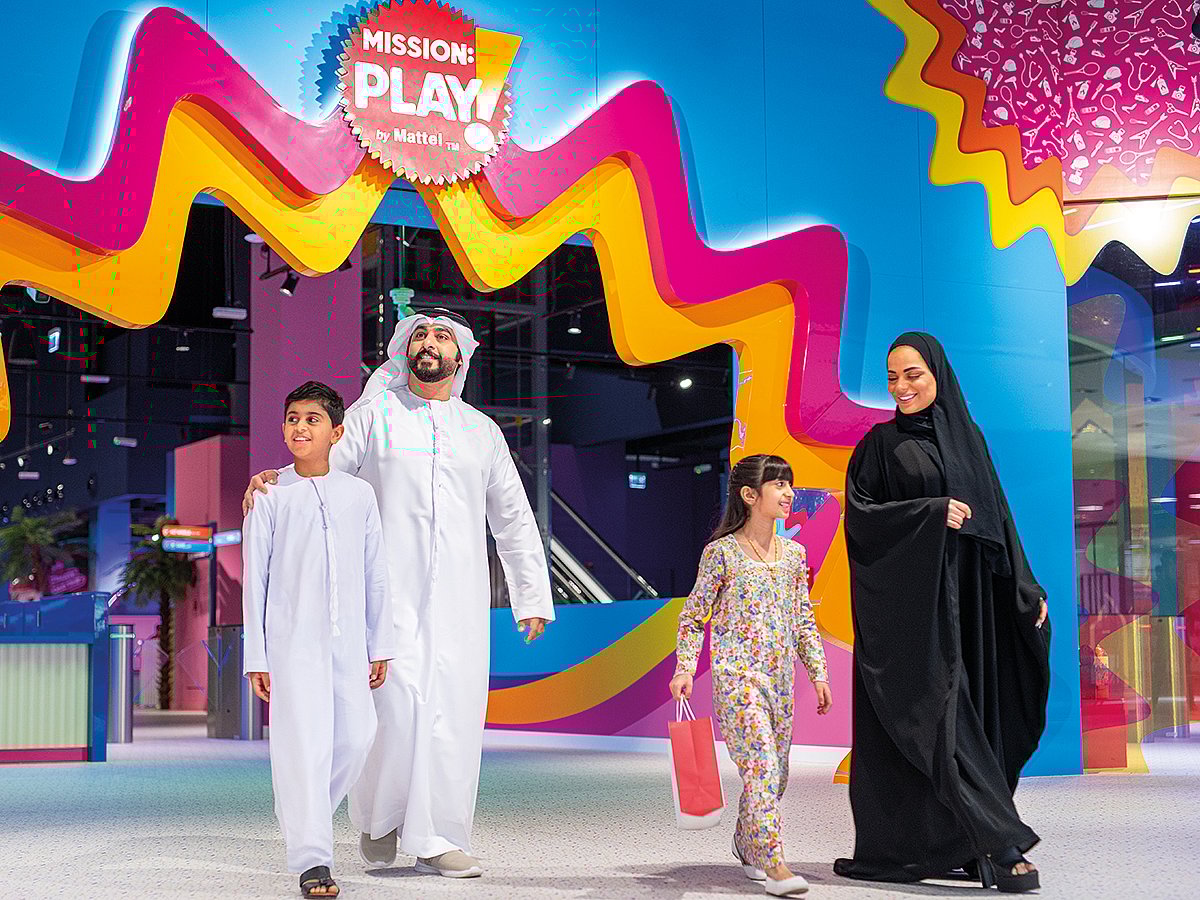
Play is no longer the default state of childhood. Screens dominate attention, family schedules are packed, and cities move fast. Time that once belonged to imagination, movement, and unstructured fun is increasingly absorbed by digital entertainment and adult-paced routines. Yet play remains one of the most powerful forces in childhood, shaping how children learn, connect, and build confidence in the world around them.
This does not mean digital experiences have no role. Increasingly, experts point to the importance of balanced play, an approach that blends the benefits of digital tools while protecting time for physical, imaginative, and social play. This is the gap Mission Play was designed to address, bringing balanced play to life through physical play and interactive, real-world activities that give children space to move, create, and connect beyond screens.
Research reinforces this clearly. A Mattel study found that 81 per cent of respondents say play has the power to improve health and wellbeing, while 85 per cent believe it is integral to daily life. Play is how children make sense of their surroundings. Through movement, role play, and experimentation, they build creativity, emotional resilience, and social skills. It is also how they release energy and stress, creating balance in lives that are often more structured than ever before. When play is squeezed out, those benefits are harder to access.
In many instances, the challenge is not a lack of interest in play, but a lack of space and opportunity. Families navigate compact living, crowded calendars, and constant digital pull. Free play does not always fit neatly into modern routines, and environments that feel engaging, safe, and accessible can be difficult to find.
This is where Mission Play comes in, an exclusive family entertainment centre themed to Barbie, Hot Wheels, and Mega Bloks. Spanning more than 35,000 square feet, the centre brings play into daily life through over twelve attractions, soft play areas, weekly events, and a brand-themed café. Parents can stop after school for an impromptu visit or plan a full day to burn off energy.
At the centre of the park sits an epic, multi-storey physical play structure. It is the heart of the space. Attractions are built around this centrepiece, featuring an iconic Hot Wheels orange loop children can climb, cross into the Barbie Dreamhouse, or slide down a three-level Mega Bloks tower. By removing barriers to free play, the park flows naturally with how children move, explore, and play.
Each zone offers distinct types of activity. In the Barbie zone, children step into imaginative worlds that encourage creativity and self-expression, from role-play scenarios to fashion-inspired activities. The Hot Wheels zone is built for action, with racing tracks and hands-on challenges. In the Mega Construx zone, children build with small and large-scale bricks, turning ideas into structures through problem solving and hands-on making.
Together, these zones offer varied play experiences in one space. Children move between areas depending on what draws their attention. Leveraging iconic brands helps children recognise the worlds they enter, making engagement instinctive rather than instructional.
Speaking about the concept, Wehbi Cheaib, Park General Manager — Entertainment, Mission Play said, “Our goal is to create a space where children can explore different ways of playing each visit.” He added that rotating events and workshops ensure “families always find something new to discover.”
While designed with children at its core, the space also supports shared experiences. Parents can observe, support, or actively play alongside their children, reinforcing play as a shared part of everyday life.
As cities grow and childhood becomes increasingly structured, spaces that protect play matter. They recognise that play is not something children outgrow, but something they need.
Sign up for the Daily Briefing
Get the latest news and updates straight to your inbox
Network Links
GN StoreDownload our app
© Al Nisr Publishing LLC 2026. All rights reserved.