Measured Generosity: How data-driven iftars reduce food waste in UAE
Dawoodi Bohra Dana Committee leads disciplined zero-waste Ramadan iftars
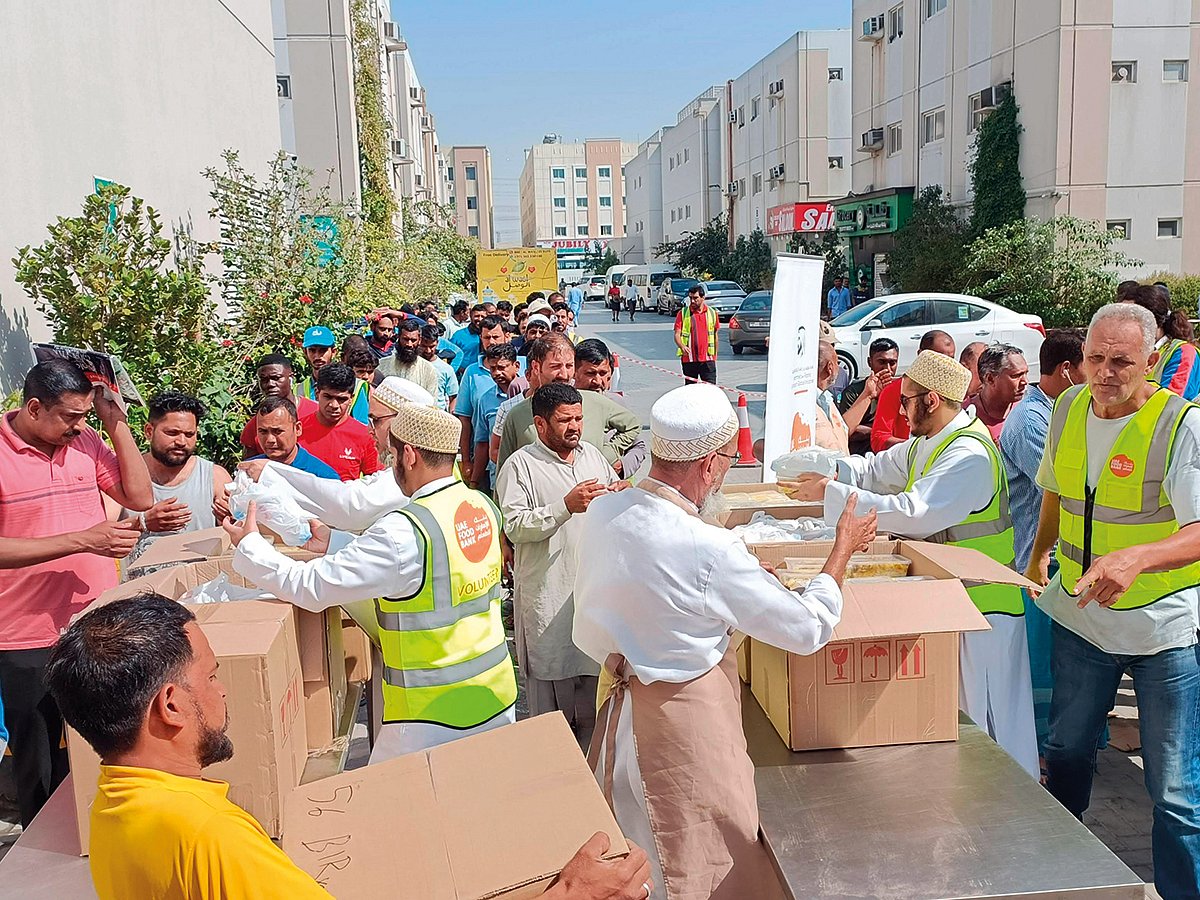
In a month known for generous spreads and crowded iftar tables, one community is quietly measuring every grain. The Dawoodi Bohra community’s Zero Food Waste initiative, managed through its Dana Committee, runs on a simple belief: not a single dana should be wasted.
Mukarram Khumusi, a volunteer with the Dana Committee in Dubai, explains that in a region known for abundant hospitality, restraint carries meaning. “In our region, where hospitality is generous and tables are full, the discipline lies in restraint,” he says. For the community, the concept of dana carries moral weight. It draws directly from Quranic guidance: “Eat and drink, but do not waste. Indeed, He does not like the wasteful.”
He says this principle shapes every stage of planning. Menus are curated with balance in mind. Portions are carefully calibrated. Seating is organised in smaller groups to prevent over-serving. Volunteers are present to guide gently. “The message is simple and consistent. Take what you need. Finish what you take. Respect what you are given.”
Khumusi adds that over time this approach has built a culture where avoiding waste is not a Ramadan instruction. It is embedded in community life throughout the year.
The shift to a data-driven model has strengthened that discipline. “The shift from assumption to data has been critical,” he says. Large gatherings once relied on generous estimates that often produced surplus. Today, attendance confirmations are collected through RSVP systems before each iftar. Historical turnout patterns are analysed by location and day of the week. Caterers receive precise headcounts instead of broad projections.
Menus are shared in advance so attendees can opt out if they have dietary preferences. On the ground, volunteers observe plate returns and portion trends. If certain dishes remain unfinished, quantities are adjusted the following day. “During Ramadan, when thousands gather for iftar dinner, even a ten percent correction in portioning results in significant reduction in food waste across 30 days,” he says. “That cumulative impact is where data proves its value.”
The Dana Committee operates in more than 400 locations globally with over 6,000 volunteers. In the UAE, trained volunteers coordinate closely with local masjid committees, caterers and sustainability partners. Khumusi explains that the structure follows a three-stage framework: planning and awareness before the meal, quiet engagement during consumption, and redistribution and segregation after.
Because the model is community-led, he believes compliance becomes cultural. Families understand the objective. Youth participate actively. Elders reinforce the message. “This peer-driven approach has proven effective and sustainable,” he says.
Beyond the meal halls, the initiative connects closely with national sustainability goals. Alefiyah Johar, a member of the local Dawoodi Bohra community, outlines how surplus is handled. “Surplus management follows strict hygiene and safety standards in line with UAE regulations,” she says. High-quality excess food is packed in sealed containers and redistributed through approved channels, including partnerships with organisations such as the UAE Food Bank.
Food that cannot be redistributed is segregated responsibly. Organic waste is directed toward composting where facilities are available. Recycling protocols are observed in coordination with municipal guidelines. Johar notes that these measures align with the UAE’s broader sustainability agenda, including national food security strategies and initiatives under the Year of Sustainability.
“The UAE has set ambitious targets to reduce food waste per capita. Community-led programmes such as this contribute directly to those national objectives,” she says. Redistribution, she adds, is handled with discretion.
Ramadan often brings visible abundance. Johar hopes the initiative reframes that image. “Ramadan is the month of sharing and generosity. The aim is not to reduce generosity, but to refine it,” she says. “True abundance lies in gratitude and balance.”
Sign up for the Daily Briefing
Get the latest news and updates straight to your inbox
Network Links
GN StoreDownload our app
© Al Nisr Publishing LLC 2026. All rights reserved.