Guest Lists to Budgets: The hidden realities of wedding planning
Experts explain where to start, what to budget and how to make it personal
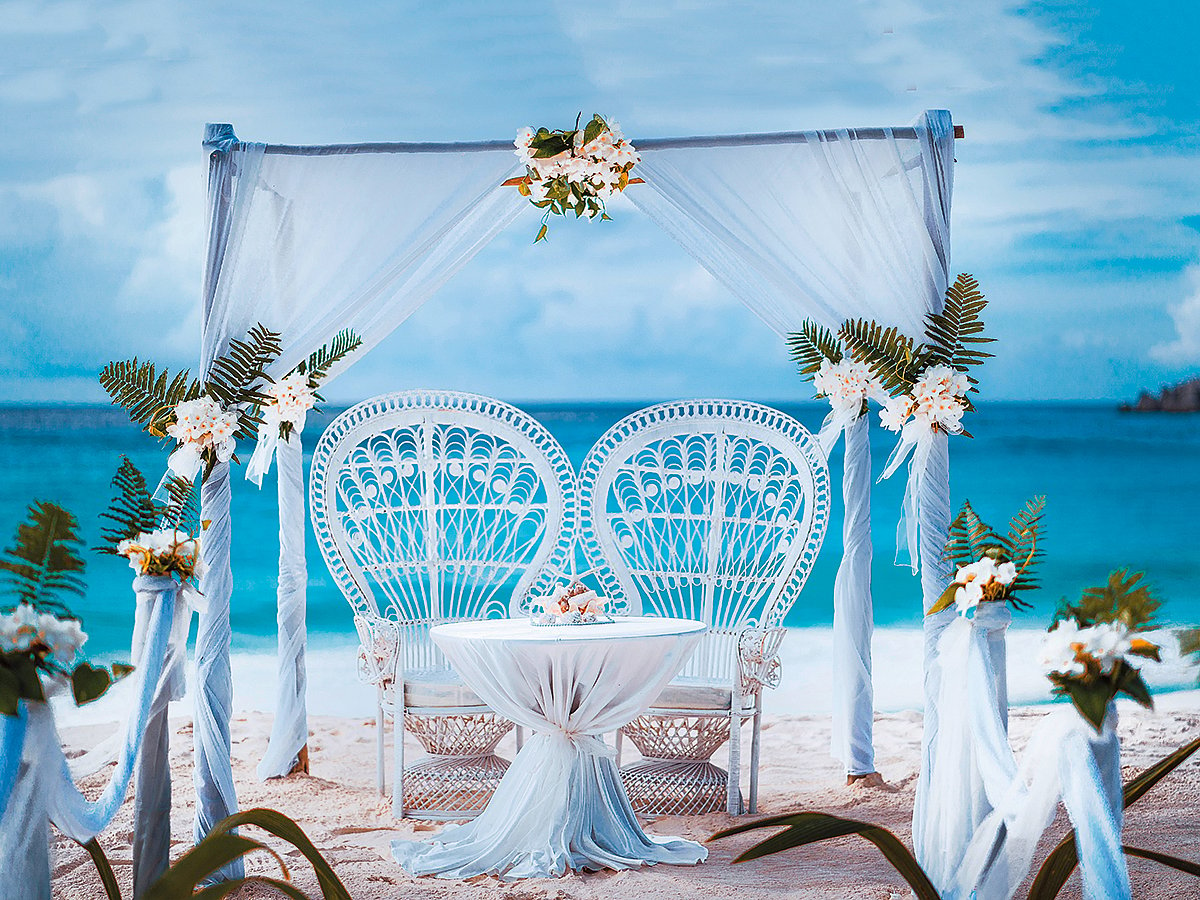
The first guest list is rarely the final guest list. It begins with the people a couple cannot imagine marrying without, then expands through family, cousins, family friends and guests flying in from abroad. By the time a venue tour is booked, the couple may have a vivid picture of the wedding and no reliable answer to a simple question: how many chairs will it need?
That number follows them everywhere. It determines which spaces can hold the celebration, what dinner will cost and how guests will move through the day. It can also lead to the first difficult conversations with family, long before anyone has chosen a date.
“Decide the guest list before anything else,” says Ankur Bagga, Founder and CEO of DubaiWeddingPlanner.com. “Not the dress, not the cake, not the flower wall you saved on Instagram at 2am. Your headcount decides your venue, your budget and roughly 70 per cent of your stress levels.”
Arun Bablani, owner and Founder of Vivaah Weddings, would put a second question beside it: what do the couple want the celebration to feel like? “The first decision should be the overall vision and guest count, as these two factors influence almost every other element of the wedding.” Together, those answers make it easier to choose a date range and find a planner who understands what they are trying to create.
The number need not be exact at the start, though it does need to be plausible. A wedding for 80 people and one for 180 require different rooms, budgets and teams. Khouloud El Amrani, Founder and Creative Director of The HY Soiree Events, asks couples to agree on “their guest count, overall budget and preferred wedding style or experience” before they begin making bookings. Those decisions give the venue search a shape. They also help a couple recognise when a beautiful place cannot give them the wedding they want.
For a celebration spread across several events, the guest count has an even greater effect. Vaibbhav Arora, Co-founder of Ikigaii Planners, Dubai, makes the calculation explicit. “If a hotel is charging Dh400 per person, per event, and you have five events, that is already Dh2,000 per guest. Add another 50 guests and that’s Dh100,000 more, before a single flower or room night.” The date also determines which venues, planners and suppliers are available; he recommends starting 10 to 12 months ahead for larger UAE weddings.
Time matters as much as order. Bablani and El Amrani recommend beginning nine to 12 months ahead, and earlier for a large or elaborate celebration. Bagga advises allowing at least a year. October to April is prime wedding season in the UAE, he notes, and sought-after venues and dates can be booked 12 to 18 months in advance. Family flights and visas need time of their own.
An early start creates space for thought as well as bookings. “Starting early gives couples access to better venue and supplier options and, more importantly, enough time to develop the experience thoughtfully rather than making decisions under pressure,” Bablani says.
The number behind the dream
A budget often begins as one large figure that sounds either reassuring or impossible. It becomes useful when a couple puts it beside the guest list and begins assigning it to the parts of the wedding.
Bagga has a quick way to bring the discussion into focus. “Start with a number you can say out loud without wincing, then divide it by your guest count. That per-head figure is your honest, slightly terrifying reality check.” Food and beverage usually takes 40-50 per cent of the total, in his experience. The difference between a smaller dinner and a large reception reaches well beyond the cost of extra plates.
El Amrani recommends setting a firm maximum, then allocating money to venue and catering, decor, entertainment, photography and videography, fashion, beauty, and planning. Once those amounts are visible, a couple can decide what deserves more and what can be simpler. Bablani also begins with the guest count and the overall experience: a budget has to reflect the wedding being planned, with enough detail to show where the money will go.
Arora sees couples commit too much to the hotel before calculating what the rest of the celebration will cost. “Couples sometimes spend heavily on the venue first and then compromise on decor, photography, entertainment and the guest experience. The budget should be balanced across the entire wedding.” Accommodation deserves particular attention, he says, along with transport, vendor meals, permits, overtime and technical requirements. Those expenses need a place in the budget before the venue booking absorbs money intended for them.
The initial quotations may leave out some of the costs that make a celebration possible. “Couples often focus on the major suppliers but overlook costs such as transportation, accommodation, additional production hours, power requirements, permits, service charges, taxes, overtime and last-minute guest requirements,” Bablani says. A planner can help identify those charges before the final weeks, when options are narrower.
An outdoor ceremony may need generators. A venue may charge for suppliers brought in from outside. The party that runs beyond its agreed finish time can create overtime costs. Bagga urges couples to examine the full price, including service charges, municipality fees where applicable and VAT. “Then come outside-supplier fees, generators for outdoor set-ups, overtime when the party refuses to end, entertainment permits and guest transport.”
El Amrani adds technical production, installation, dismantling and accommodation for suppliers to the list of costs worth discussing early. “These smaller items can become significant when combined.” An itemised quotation gives couples a better chance of seeing that total before they commit.
All three planners recommend setting aside around 10-15 per cent as a contingency. It may cover an additional requirement, a change in guest numbers or a practical issue revealed as plans become more detailed. More than anything, it keeps an unexpected bill from forcing a hurried decision about something the couple truly cares about.
See the venue when it is full
A venue tour asks a couple to imagine a room or landscape transformed. A ballroom feels vast before the tables go in. A beach looks peaceful before the wind picks up. A desert setting at sunset can make it difficult to concentrate on where the power will come from.
Those details will shape the day as surely as the view. Bablani asks couples to check capacity, timings, noise limits, accommodation, catering policies, decor restrictions and supplier access. “The venue should work not only visually but operationally, because logistics can significantly influence the guest experience.”
The effect becomes clear once guests arrive. A long walk from parking matters to someone in formal clothes or with limited mobility. A late set-up window puts pressure on the people preparing the ceremony. A music curfew may end the dancing earlier than anyone had imagined.
For some couples, a venue restriction can affect the ceremony itself. Arora urges families planning Indian weddings to confirm the rules around pheras and the sacred fire before booking. “Many hotels don’t permit a havan indoors, while some allow it under specific conditions. That needs to be clear before the venue is booked.”
He also checks minimum spends, corkage, production costs and external vendor policies. Any weather backup must allow the ceremony to take place properly, with its essential requirements intact.
El Amrani recommends asking about valet service, electricity, technical requirements, closing times and additional venue charges. Outdoor weddings require particular care. “A Plan B should be discussed before signing the venue contract rather than waiting until the wedding week.” The alternative space needs to hold the guests and give the couple a celebration they would still be happy to host.
Bagga’s advice is to visit an outdoor venue at the hour the ceremony will take place. Light, heat and humidity can make it feel entirely different from a daytime viewing.
He also wants couples to ask whether they can bring their own photographer and decorator, what that might cost and whether another event will be happening nearby.
“Ask the questions nobody prints in the brochure,” he says. “What’s the plan if it rains or the wind picks up? Yes, it does rain here, usually the week you booked.”
A good venue agreement leaves little room for assumptions. The couple should know when suppliers can enter, when music must stop, what power is available and who will make the call if weather changes the plan.
What the guests will carry home
Once the major costs are clear, couples begin looking for places to save. There are countless small reductions to make, though they are most useful when the couple knows what they want to protect.
Bablani encourages them to identify what has emotional value and invest there. “Thoughtful lighting and well-designed production can sometimes create more impact than excessive decor.” Comfortable seating, food options, entertainment and smooth transport may do more for the celebration than an additional decorative installation. He also warns that late changes can add expense without improving the experience.
Bagga suggests looking at what guests will remember. “Nobody leaves a wedding talking about the chair covers. They talk about the food, the music, the vows and that one uncle on the dance floor.” Trimming ten people from the guest list may save more than a series of small decor changes. A Sunday or midweek date can offer greater flexibility; he also suggests looking at October or April, using digital invitations and placing flowers where they will have the greatest impact. Lighting, he believes, deserves its place in the budget.
El Amrani concentrates spending where guests will spend their time: the entrance, stage, dance floor and tables. Seasonal flowers, candles and decor reused between the ceremony and reception can make the budget go further. “A wedding feels luxurious when the concept is cohesive and beautifully executed; luxury does not necessarily mean having more of everything.”
Arora applies the same judgment to the growing list of things couples feel expected to provide. A mandap, entrance, table setting or performance can receive particular attention, while other areas remain simple. He recommends reusing decor, choosing flowers according to availability, simplifying stationery and removing unnecessary favours. “I would rather see five things done beautifully than 15 things done just because weddings are expected to have them.”
That choice will look different for every couple. One may care deeply about flowers. Another may want live music or a generous dinner that gives relatives time together. A clear budget lets them make those decisions deliberately, while there is still time to change the guest count, venue or date.
Hand over the clipboard
Some of the most expensive mistakes begin as reasonable choices made in the wrong order. A couple books a photographer they love, then learns their preferred venue is unavailable on that date. They commit heavily to decor before working out the full catering cost. They choose a supplier on price without knowing whether the team can manage the scale of the event.
Bablani often sees couples try to make decisions independently before there is an overall plan. Guest logistics, approvals, production and supplier coordination take more time than many expect. “I always encourage couples to define their priorities early, build a realistic timeline, work with experienced professionals and leave sufficient time for contingency planning.”
El Amrani sees a similar problem when suppliers are booked one by one before the budget is divided. Spending too much in one area can force a compromise elsewhere. She also asks couples to look beyond the images that inspired them: “A beautiful wedding still needs smooth arrivals, good service, comfortable seating, proper sound, an organised programme and a strong team behind the scenes.”
The inspiration itself now needs closer scrutiny. Arora sees couples bring AI-generated images whose designs may be structurally unrealistic, unsuitable for the venue or far more expensive to recreate safely than expected. “AI, Pinterest and Instagram are great for inspiration, but they should be the starting point, not the final brief.” He also urges families to establish one clear communication channel with the planner and suppliers. Too many decision-makers can leave teams working towards different versions of the same wedding.
Contracts make those expectations concrete. Bagga urges couples to read the cancellation terms, minimum spend and list of inclusions carefully, and to confirm the venue before booking suppliers for a date. He is equally direct about the wedding day: “Hire a planner, delegate everything, then simply show up to your own party.”
By then, the couple may still face a changed forecast, a late guest request or a supplier question. A sound plan gives those decisions to people equipped to handle them. The work that began with a guest list and a budget has a simple purpose: when everyone gathers, the couple gets to be there with them.
Sign up for the Daily Briefing
Get the latest news and updates straight to your inbox
Network Links
GN StoreDownload our app
© Al Nisr Publishing LLC 2026. All rights reserved.