Eid Scents: How oud-rich summer scents are becoming a curated ‘Fragrance Wardrobe’
Richer oud blends, warm woods and day-to-night scents define Eid Al Adha fragrance trends
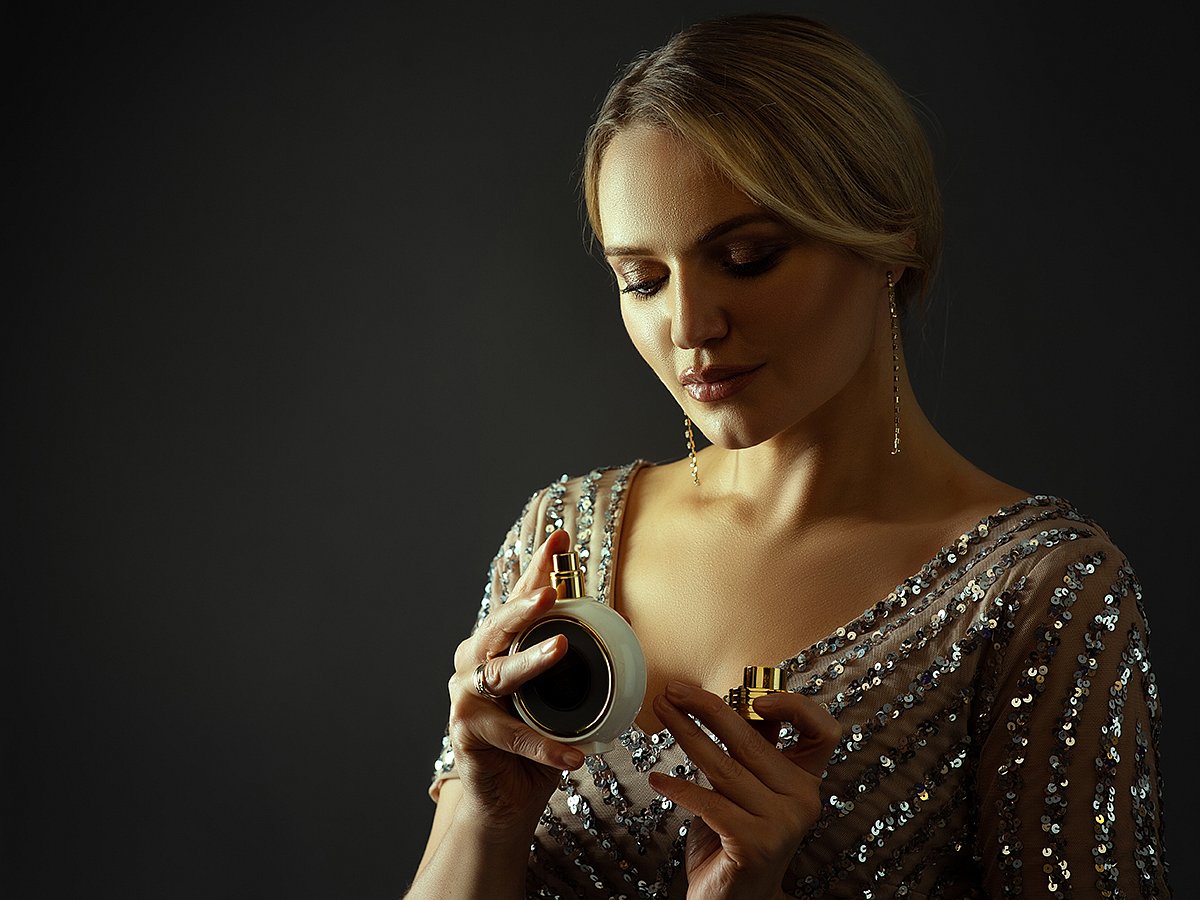
As Eid Al Adha evenings unfold across the UAE, fragrances shift from fresh daytime scents to richer blends of oud, amber, spice and woods that linger through late-night gatherings. Perfume houses say consumers are becoming more intentional about fragrance, treating it like part of a wardrobe chosen according to mood and occasion.
This year’s Eid falls during hot weather, influencing how people wear traditionally rich evening perfumes. Consumers still want depth and longevity, though they are increasingly leaning towards smoother compositions that feel lighter and easier to wear in the heat.
Richer after dark
“As Eid Al Adha coincides with summer, we see a shift towards richer yet balanced fragrances offering depth and longevity without heaviness,” says Muhammad Ali Saeed Shaikh, CEO of Shaikh Saeed Perfumes. “Notes like refined oud, soft amber, saffron and modern gourmands such as vanilla and pistachio are trending, now crafted in lighter and more diffusive styles.”
Shaikh says consumers remain drawn to oriental fragrance profiles during Eid, though they now expect greater versatility and comfort from evening scents. He points to the company’s Dubai Avenue collection as an example of fragrances balancing freshness with warm elegance for the season.
Imran Fazlani, Founder and Chairman of Afnan Perfumes, says fragrance preferences are increasingly shaped by the emotional atmosphere surrounding social gatherings. “Yes, we are certainly seeing consumers gravitate towards richer, more expressive fragrance profiles that complement the mood and setting,” he explains. “While lighter, fresher scents remain relevant for daytime wear, evenings tend to invite deeper compositions with greater longevity and presence.”
According to Fazlani, notes such as oud, amber, saffron, vanilla, warm spices, musk and refined woody accords continue dominating festive fragrance preferences this year, though many are now being interpreted in more contemporary ways to suit evolving lifestyles and younger consumers.
Akbar Mun, Founder of Emper Perfumes, believes the shift towards richer evening fragrances feels natural because celebrations themselves have become more layered and expressive. “There is an appetite for scents that create presence — not loudly, but memorably,” he says. “Something that stays in the room after you have left.”
He adds notes such as oud, amber, coffee, leather, warm woods and smoky accords are drawing attention this season, often softened with gourmand or spice touches. The Dallah Collection, inspired by Arabian and Turkish coffee traditions, was built around that idea of warmth and lasting presence.
A fragrance wardrobe
Beyond seasonal fragrance shifts, perfume houses say consumers are increasingly building fragrance wardrobes rather than relying on a single signature scent. Perfumes are now selected according to mood, timing and setting. “Fragrance has evolved into a personal wardrobe, where individuals select scents based on mood, time and occasion,” explains Shaikh.
He believes brands are responding by creating multi-dimensional fragrances capable of transitioning naturally from day into evening, while also offering different concentrations such as EDT, EDP and extrait. Layering is also becoming increasingly important as consumers personalise intensity throughout the day.
Fazlani echoes Shaikh's sentiment. “Consumers are now increasingly curating their scent wardrobe based on occasion, mood, and time of day,” he says. “Brands are responding by creating more versatile fragrance portfolios that allow for seamless transitions from day to evening.”
He says many fragrances are intentionally designed to evolve gradually over time, opening with fresher notes before settling into warmer dry-downs while still maintaining consistency within the fragrance identity.
Azhar Mun, Co-founder of Perfumes Capital and son of Akbar Mun, believes the shift reflects a broader evolution in personal expression. “It is no longer about finding one signature scent and wearing it everywhere,” he says. “People are building fragrance wardrobes the same way they build their clothing wardrobes, with intention and context.”
He says consumers expect fragrances to transition naturally across the day. “The more interesting challenge is building a scent with enough dimension to evolve naturally across the day,” he says. “Something that opens fresh and wearable but deepens as hours pass.”
Azhar points to Perfumes Capital’s Imperial Touch Istanbul Cafe fragrance as an example of this philosophy. “A fragrance should not constrain you,” he says. “It should move with you.”
Akbar believes the strongest fragrances today are those that unfold gradually instead of remaining linear from first spray to final dry-down.
“A truly versatile fragrance has layers,” he says. “It opens one way and reveals something richer and more complex as the day progresses.”
Tradition, reworked
While traditional Middle Eastern fragrance notes continue dominating the regional market, perfume houses are also navigating the tastes of younger consumers shaped by global fragrance trends and social media culture.
Shaikh says balancing regional fragrance heritage with modern preferences has become central to contemporary perfumery in the Gulf. “While oud, amber and spice remain at the heart they are now reimagined with fresh, fruity and gourmand elements to appeal to younger, globally influenced consumers,” he says.
He points to the Wadi Al Muluk perfume series and Mocktail Series as examples of fragrances reinterpreting heritage through fresher and more playful compositions.
“At Afnan, balancing regional fragrance heritage with global trends is central to our approach,” says Fazlani. “The Middle East has a deep appreciation for bold olfactive signatures such as oud, amber, and spice, and these remain incredibly important.”
At the same time, he says younger consumers are increasingly searching for fragrances that feel contemporary and globally relevant. That balance is leading to compositions where oriental richness blends with gourmand nuances, fruity accents and clean woody structures.
Azhar believes this tension between heritage and modernity represents one of the most interesting creative challenges in regional perfumery today.
“The answer is not to abandon tradition but to reinterpret it,” he says. “Soften the oud with cleaner woods. Let the amber breathe alongside something fresher.”
Azhar says his father’s decades-long understanding of Arabian perfumery gives the company the ability to work with traditional ingredients authentically while still creating fragrances that feel globally wearable.
“What we are trying to build is a bridge,” he says, “fragrances that are culturally rooted and globally wearable at the same time.”
Sign up for the Daily Briefing
Get the latest news and updates straight to your inbox
Network Links
GN StoreDownload our app
© Al Nisr Publishing LLC 2026. All rights reserved.